
The Ultimate Bread Making Troubleshooting Guide: 5 Common Mistakes Fixed
This post may contain affiliate links. Please read our disclosure policy.



There is nothing quite like the aroma of fresh bread wafting through a cozy house in January. But if you've ever pulled a loaf out of the oven only to find a dense "bread brick" or a gummy, doughy center, you know how frustrating it can be.
Homemade bread is a skill, and like any skill, it comes with a learning curve. The good news? Most beginner bread failures come down to just a few predictable factors. Whether you are making my Easy Whole Wheat Bread or a No-Knead Whole Wheat Bread, this guide will help you troubleshoot what went wrong and ensure your next loaf is light, airy, and perfect.

Jump to:
1. The Doughy Middle: Why is my bread gummy?
This is the #1 question I receive! You slice into a beautiful loaf, but the center feels raw or sticky.
- The Culprit: Slicing Too Soon. Resistance is hard, but bread continues to cook as it cools. Slicing it hot releases steam and causes the starches to collapse into a gummy mess.
- The Fix: Let your loaf cool completely on a wire rack (usually 1-2 hours).
- The Culprit: Underbaking. Your oven might be "lying" about its temperature.
- The Fix: Use an instant-read thermometer. Most yeasted breads are done when the center reaches 200°F - 210°F (93°C - 99°C).
2. The Dense Brick: Why didn't my bread rise?
If your loaf feels heavy and leaden, it usually comes down to the yeast.
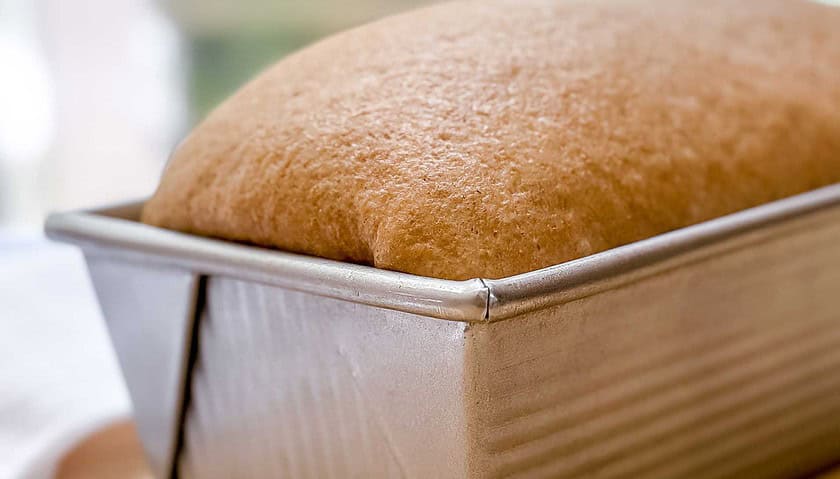
- The Culprit: Water Temperature. Too hot (>120F) kills the yeast; too cold keeps it dormant.
- The Fix: Use a thermometer to ensure your liquids are between 105°F and 115°F.
- The Culprit: Over-proofing. If the dough rises too much, the gluten structure weakens and collapses in the oven.
- The Fix: Use the "Poke Test." Gently poke the dough; if it springs back slowly and leaves a slight indent, it's ready. If it deflates, it's over-proofed.
3. Sticky vs. Stiff: The Flour Measurement Fix
Why does the same recipe turn out differently every time? It's usually how you measure your flour.
- The Culprit: Scooping with a Cup. Dipping a measuring cup into the bag compacts the flour, often giving you 25% more than you need.
- The Fix: Switch to a kitchen scale (affiliate link, the one I use) and measure in grams. If you must use cups, use the "Spoon and Level" method: spoon flour into the cup and level it off with a knife.
4. The "Pancake" Loaf: Why did it spread out?
If your loaf spreads wide instead of rising high, you have a "tension" problem.
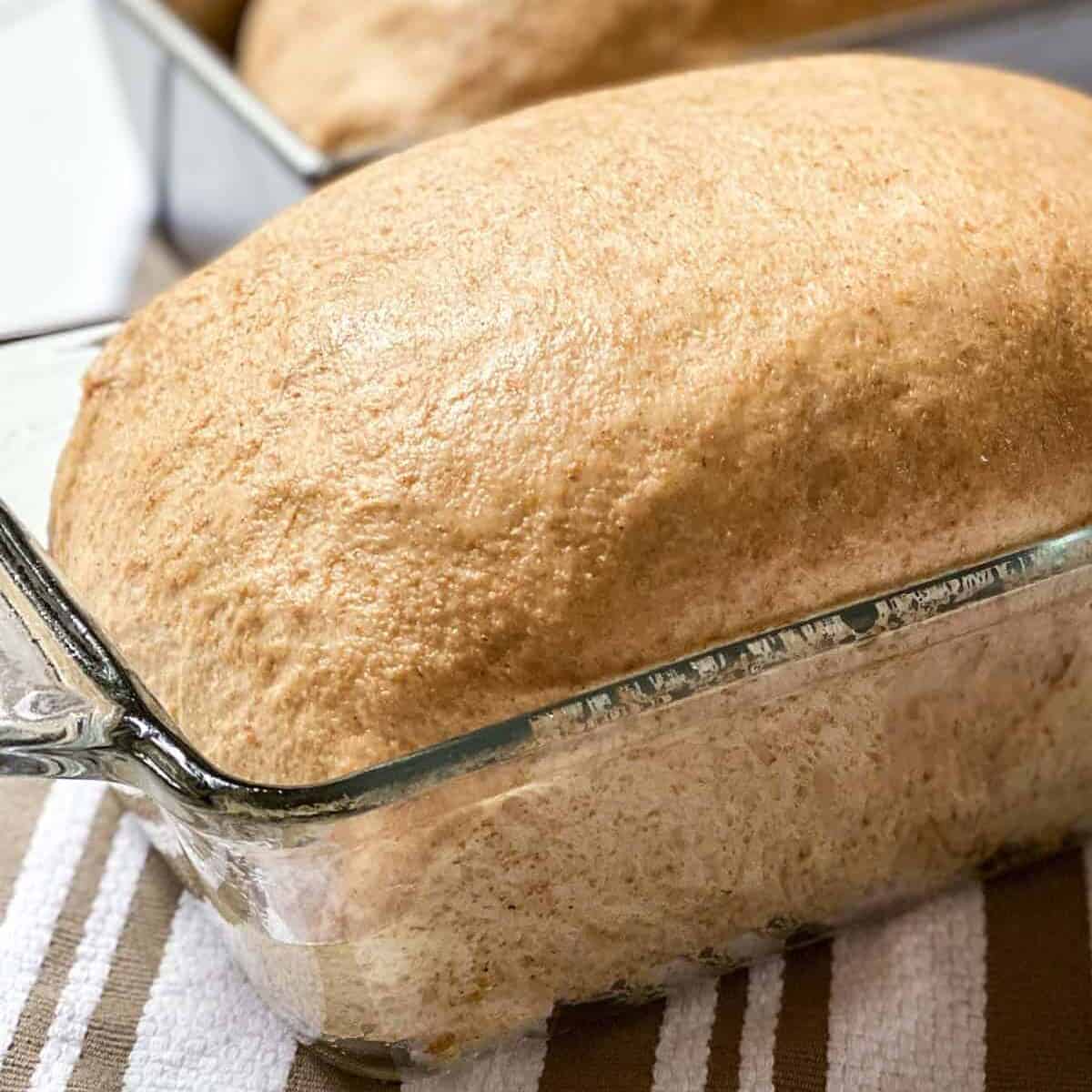
- The Culprit: Weak Gluten or Poor Shaping. Without enough kneading or proper shaping, the dough doesn't have the strength to hold its shape.
- The Fix: Practice creating surface tension. When shaping your loaf, pull the dough taut across the top to create a "skin" that forces the bread to rise upward in the oven.
5. Why Did It Burst? Controlling the Crust
Did your bread burst open on the side instead of the top? This is especially crucial when making no-knead breads or sourdough loaves.


- The Culprit: Improper Scoring. Bread expands rapidly in the oven (oven spring). If you don't give it a "vent," it will find its own way out.
- The Fix: Use a very sharp knife or razor (bread lame) to score the top of the loaf about ¼ to ½ inch deep right before it goes into the oven.
Bread Making FAQ
Be cautious! Whole wheat flour absorbs more liquid. If swapping, you typically need to add 1-2 extra tablespoons of liquid per cup of flour to avoid a dry loaf.
In January, your kitchen might be cold! Yeast loves warmth (75°F is the "sweet spot"). If your house is chilly, your rise times may take twice as long. Try placing your dough in an oven that is OFF but has the light turned on.
Never put it in the fridge! It will go stale faster. Store it in a paper bag or a bread box at room temperature. For long-term storage, slice it and freeze it in a freezer-safe bag.
Put Your Skills to the Test!
Ready to bake? Try one of our reader-favorite recipes:
- Homemade Whole Wheat Bread (Double Loaf)
- Whole Wheat Bread Recipe (Single Loaf)
- Classic Dutch Oven No-Knead Bread
- Homemade Artisan Rye Bread
- Quick No Knead Rosemary Bread
- 100% Whole Wheat Bread (Single Loaf Recipe)
- German Easter Bread (Osterbrot): Easy Sweet Bread
- Pumpkin Shaped Bread in an Hour
- Easy Homemade Soft Pretzels (Brezeln)
- Campfire Dutch Oven Bread (Camp Oven Bread Recipe)



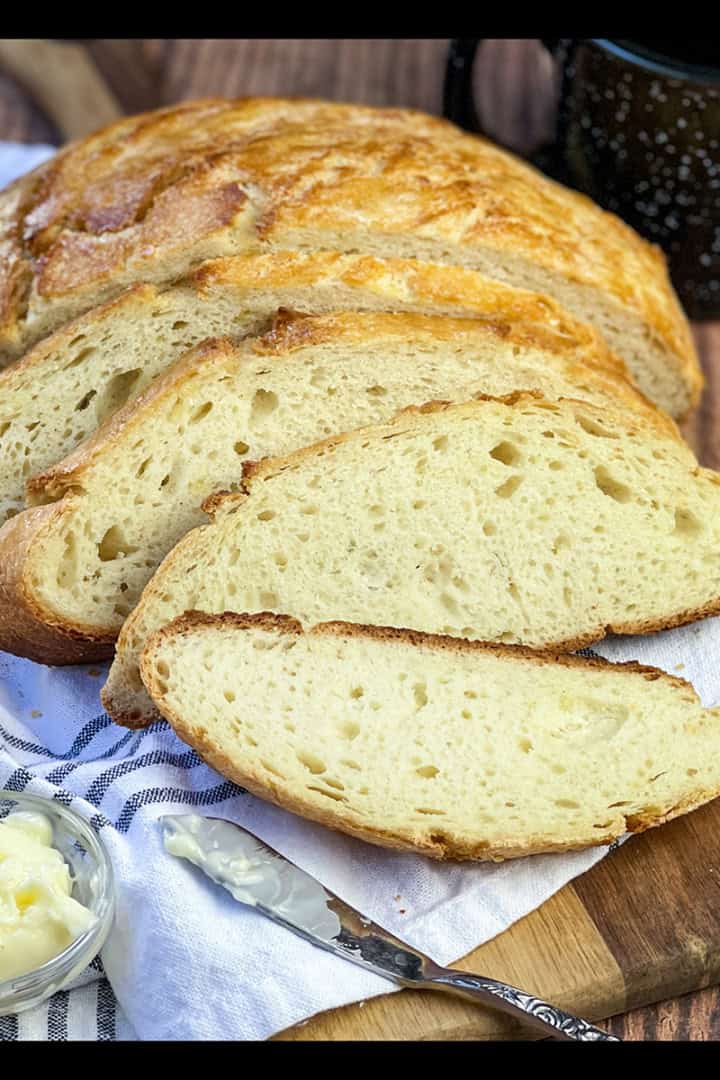
If you try this recipe, I'd love to hear your comments and consider giving it a 5-star rating. Explore the recipe index for more easy, delicious ideas, and stay updated by subscribing to our newsletter and following us on Facebook, Pinterest, Instagram, and YouTube!
Comments
No Comments