
Best Scones Recipe (with Tips for Light, Flaky Perfection)
This post may contain affiliate links. Please read our disclosure policy.


There's something undeniably comforting about scones-golden and tender, with a delicate crumb that practically begs for jam and cream. Whether served warm with tea on a quiet afternoon or as part of a cheerful brunch spread, scones feel like a little gesture of hospitality from the kitchen.

Why I Love This Recipe
This recipe is one I return to time and again for afternoon tea gatherings. They're simple and adaptable, made with pantry staples and with a few helpful techniques that ensure light, flaky layers every time. From classic to creative, sweet to savory, scones are a joy to bake and even more delightful to share.
So brew a pot of tea, get out your favorite mixing bowl, and let's bake the kind of scones that make everyday moments feel just a bit more special.
If you love making scones, our English Scones and Cream Scone recipes are also top favorites among our readers.
What Makes the Best Scones Recipe?
The best scones strike a beautiful balance-crisp and golden on the outside, tender and airy on the inside. While the ingredients are wonderfully simple, success ultimately depends on technique and a few thoughtful choices.
Here's what truly makes a difference:
- Cold butter is non-negotiable. It creates the steam that puffs up those flaky layers-just like in biscuits or pie crust.
- A gentle hand is key. Overmixing or kneading too much will toughen the dough, so aim to mix just until it comes together.
- Fresh, high-quality ingredients. When there are only a few ingredients, their flavor really shines.
- Baking powder that's still active. If yours have been in the pantry too long, your scones may not rise as they should.
It's not about perfection-it's about lightness, warmth, and a tender crumb that pairs beautifully with everything from jam to a clotted cream.
Key Ingredients
At the heart of a great scone is a short list of simple, familiar ingredients. But as with many baked goods, how those ingredients come together matters just as much as what they are.
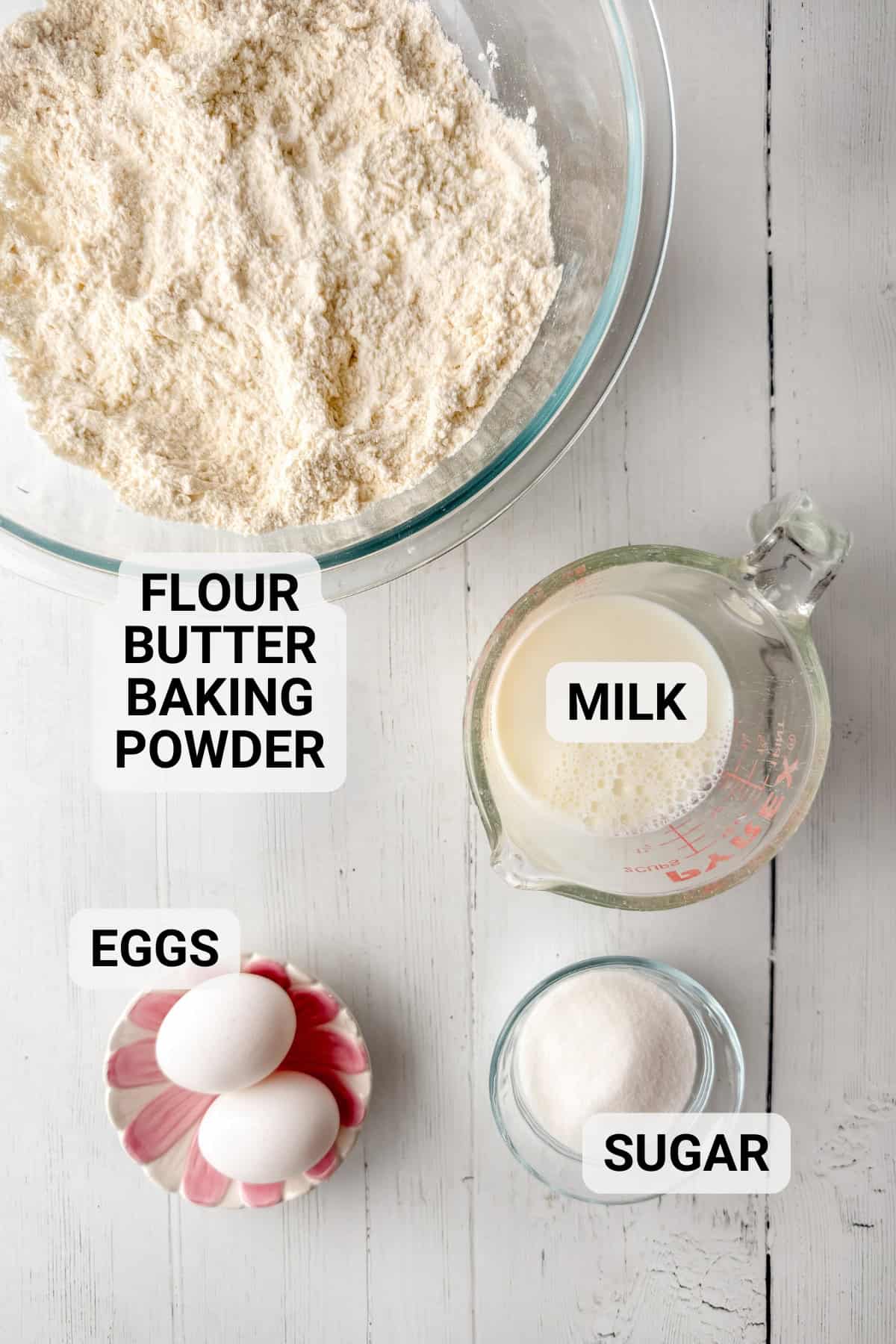
- All-purpose flour - Light enough for a tender crumb, sturdy enough to hold its shape.
- Granulated sugar - Just a touch for subtle sweetness. You can easily adjust this recipe to suit your flavor preferences.
- Baking powder - This gives your scones lift and softness. Be sure it's fresh for the best rise.
- Salt - A small but essential flavor enhancer.
- Cold, unsalted butter - The key to flaky layers. It should be cold enough to hold its shape when cut into the flour.
- Milk or cream - Adds richness and helps bind the dough. Heavy cream makes especially tender scones.
From here, you can get creative-add berries or citrus zest for sweet scones, like our blueberry scones or orange scones. You can also add shredded cheese and herbs for savory ones. But even the simplest version is delicious on its own, especially warm from the oven with a smear of jam.
Step-by-Step: Easy Scones Recipe
Making scones isn't as daunting as it might seem. With some preparation, you'll have warm, fluffy scones ready to enjoy. Begin by preheating the oven to 425°F (220°C) and lining a large baking sheet with parchment paper.
 Step 1
- Step 2
- Step 3
- Step 4
- Step 5
- Step 6
 Step 7
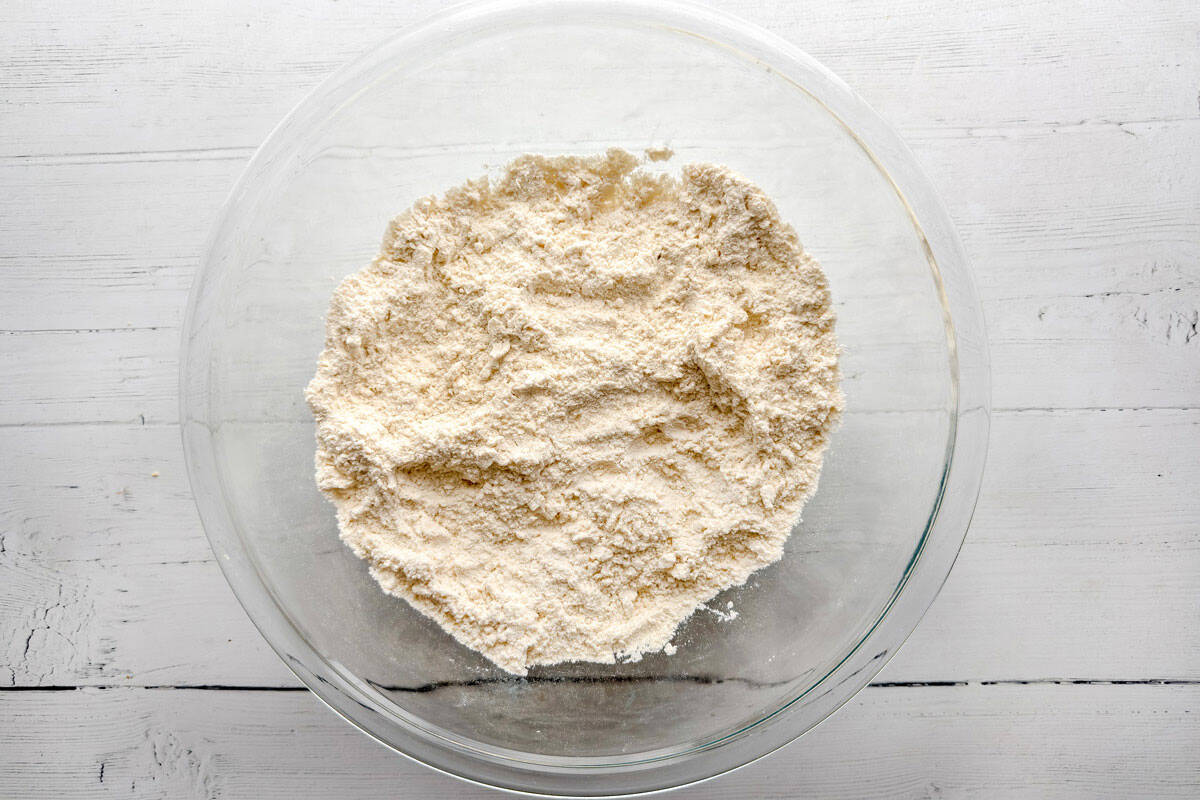
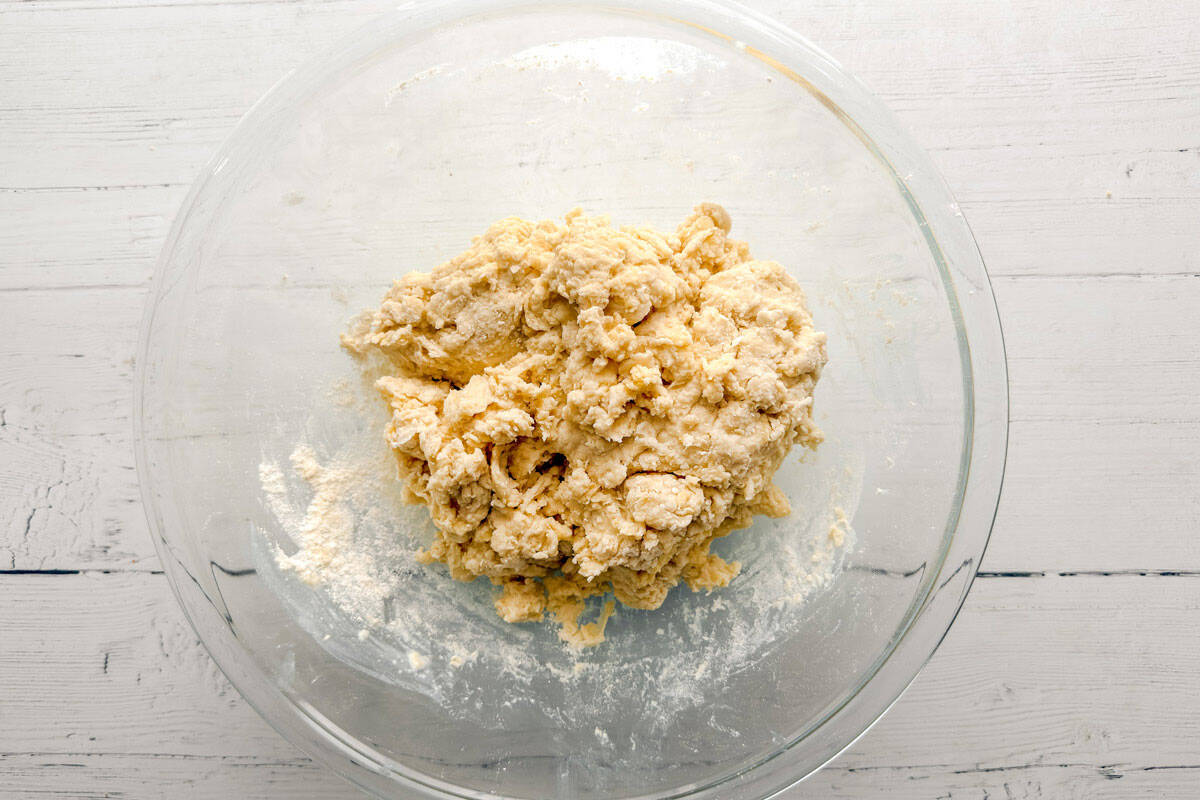


- Add the flour to a large mixing bowl. Using your fingertips, rub in the cold butter until the mixture resembles coarse breadcrumbs. This step helps create tender, flaky layers.
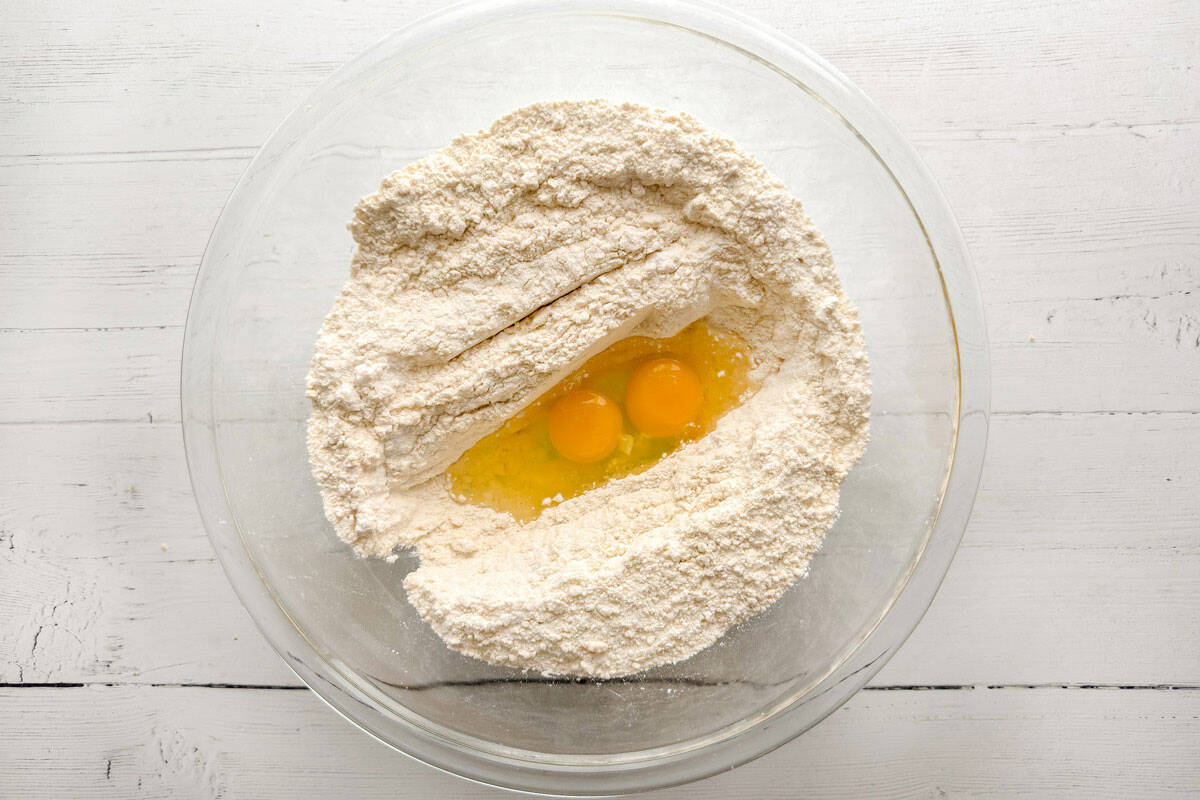
- Stir in the sugar, baking powder, and salt. Mix briefly, then make a well in the center.
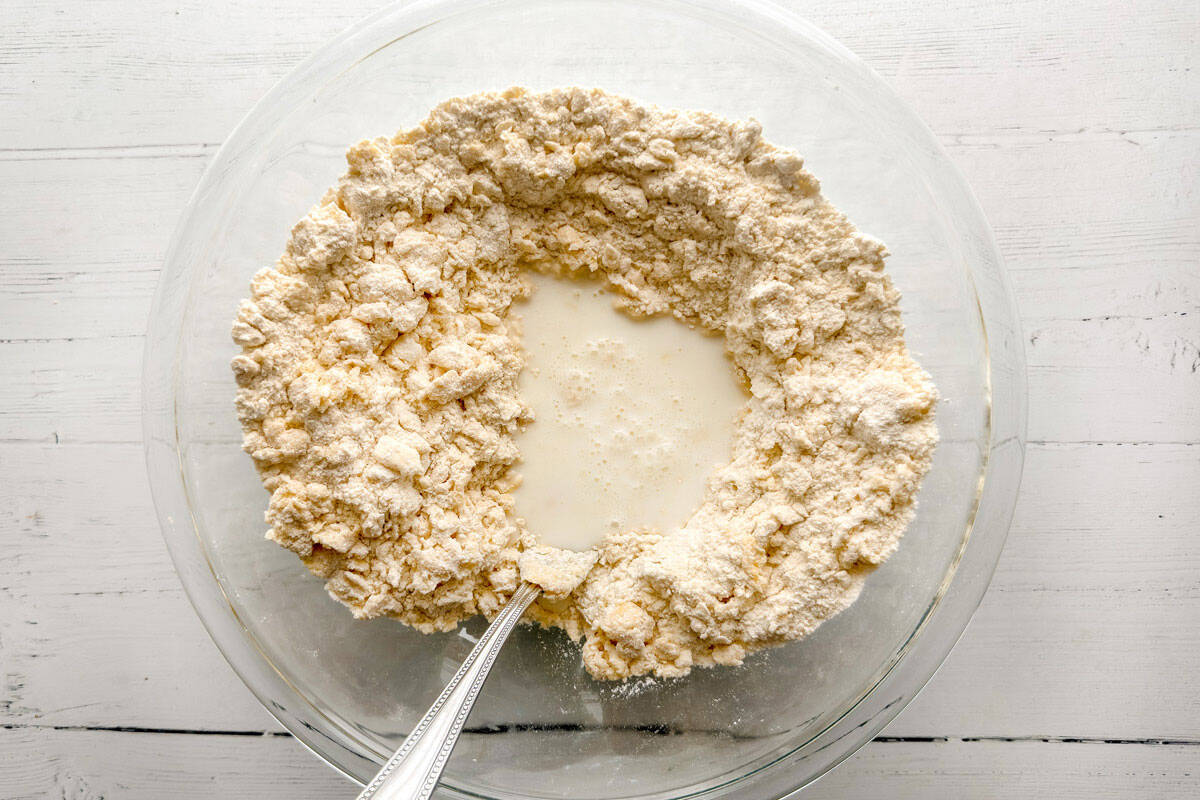
- Add the eggs and milk. Stir in the eggs first, then the milk. Stir gently until the mixture comes together into a soft, tacky dough. Avoid overmixing.
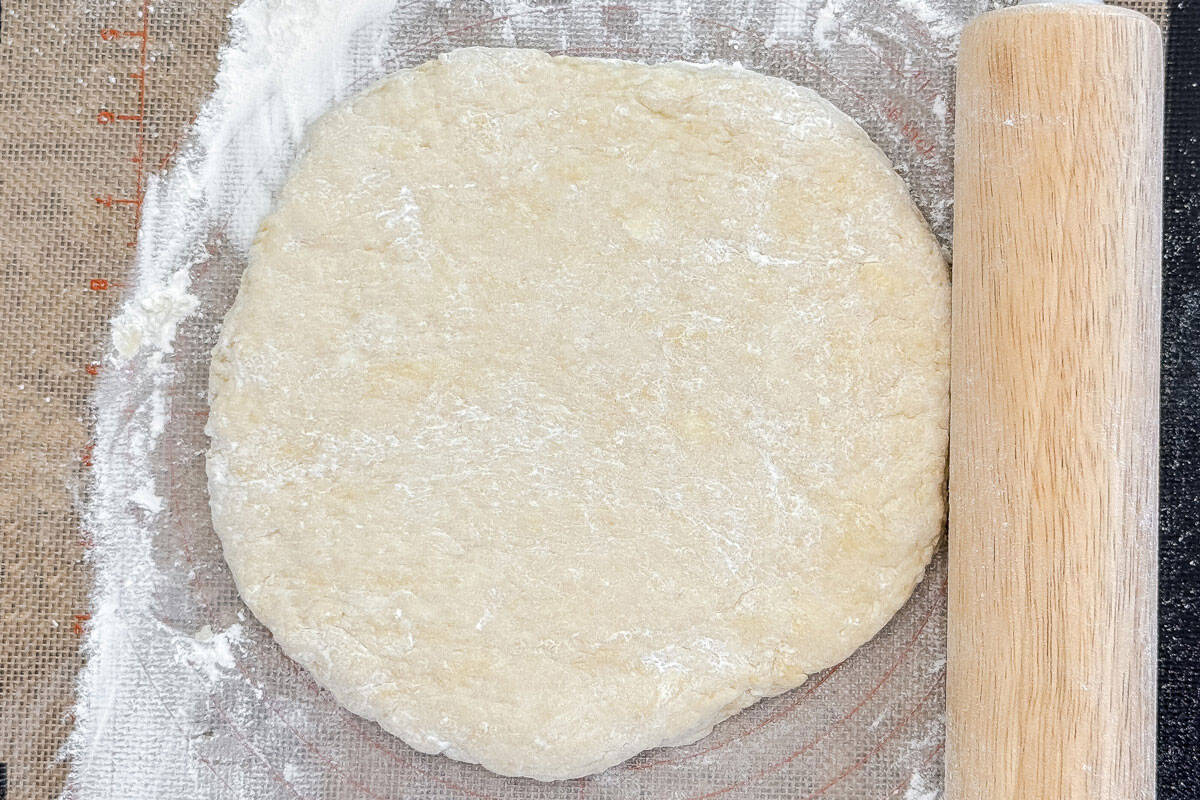
- Transfer the dough to a well-floured surface. Fold it over several times to bring it together-do not knead. Gently roll the dough out to about 1 inch (3 cm) thick.
- Cut out rounds using a 2.5-inch (6.5 cm) scone cutter. Press straight down without twisting. Place the scones on the prepared baking sheet, leaving space between each.
- Refrigerate the scones for 15-20 minutes to allow the dough to rest and improve the rise.
- Brush the tops (not the sides) with the remaining beaten egg.
- Bake for 15 minutes, or until the scones are golden and well risen.
- Transfer to a wire rack and let cool slightly. Serve warm with homemade clotted cream and jam.
Tips for Perfect Scones Every Time
Scones are simple to make, but a few thoughtful tips can make them even better:
- Keep everything cold. Cold butter is essential for flakiness. You can even chill your flour or mixing bowl if your kitchen is warm.
- Mix gently. The less you handle the dough, the lighter your scones will be. It's perfectly fine if the dough looks a little shaggy.
- Use a sharp cutter. Whether you're cutting rounds or triangles, clean edges help the scones rise evenly in the oven.
- Chill before baking (optional but helpful). A brief rest in the fridge firms up the butter and gives you beautifully crisp edges.
And don't forget-perfection isn't the goal. A slightly wonky scone is still a warm, buttery, delicious bite!
Scone Flavors and Creative Variations
One of the best things about scones is their ability to adapt to various flavors, seasons, and moods easily.
Sweet scones are perfect for breakfast, brunch, or teatime. A few favorite combinations include:
- Blueberry + lemon zest - Bright and juicy with just a hint of citrus, like our blueberry scone recipe.
- Cranberry + orange - A cozy, festive combination, like our Ginger Pecan Cranberry Scones or Cranberry White Chocolate Scones.
- Chocolate chip - A favorite with kids (and grown-ups, too). Try our easy chocolate chip scones, or for a holiday pairing, these pumpkin chocolate chip scones for a delicious combination!
Savory scones are just as lovely-especially for picnics or alongside soups and salads:
- Cheddar + chives - Sharp, herby, and irresistible.
- Bacon + gruyère - Rich and perfect for brunch.
- Rosemary + garlic - Fragrant and earthy, with a rustic flair.
Once you have the base recipe down, the variations are endless. Follow the seasons, or simply use what you have on hand.
Quick Tips Checklist:
- Preheat the oven to ensure even baking from the start.
- Measure ingredients accurately for the best texture and flavor.
- Chill the dough before baking for better flakiness.
- Avoid twisting the cutter to ensure straight edges.
Finally, practice patience. Allow scones to cool slightly before serving. This simple act helps set the crumb and locks in moisture. With these tips, you'll achieve perfect scones every time you bake. Enjoy the process, and let each batch refine your skills.
Troubleshooting: Common Scone Solutions
Even experienced bakers occasionally run into a batch that doesn't quite behave. Here are a few common issues-and how to fix them next time:
- Flat scones: Usually caused by warm butter or twisting the cutter. Make sure your butter is cold, and press straight down when cutting.
- Dry or crumbly texture: This can result from overbaking or too much flour. Spoon and level your flour when measuring, and watch your bake time closely.
- Spread too much: If your scones lost their shape, the dough may have been too soft. Try chilling them for 10-15 minutes before baking.

Serving Suggestions and Pairings
Scones are one of those special bakes that feel just as fitting for a weekend breakfast as they do for a proper afternoon tea.
For sweet scones, the classics never fail-clotted cream and jam (like this quick and easy homemade strawberry jam or raspberry are lovely), a dusting of powdered sugar, or even a drizzle of honey or glaze if you're feeling indulgent.
For savory scones, consider pairing with soft cheeses, a pat of salted butter, or serving them warm alongside soups, stews, or egg dishes.
And of course, tea is always welcome at the table. Try Earl Grey for floral balance, or a peppermint or chamomile blend if you're winding down. In warmer months, a cold glass of lemonade or iced tea makes for a lovely seasonal touch.
Try these Earl Grey Scones for a delightful addition to teatime.
Storing and Freezing Scones
Scones are best enjoyed fresh-still warm from the oven with steam rising as you break one open. But they do store and freeze well for future treats.
To Reheat: Warm in a 300°F oven for 5-7 minutes, or until heated through. This brings back that just-baked texture beautifully.
Room Temperature: Store completely cooled scones in an airtight container for up to 2 days. For best texture, avoid refrigeration, which can dry them out.
Freezer-Friendly: Once cooled, wrap scones individually in plastic wrap and store in a freezer bag. They'll keep for up to 3 months.
Storing Tips:
- Use airtight containers to prevent drying.
- Freeze in single layers to avoid crushing.
- Reheat in the oven for a fresh-baked feel.
Recipe FAQs
Flat scones can be disappointing. This often happens when the dough has been overworked. Ensure your butter is cold and handle the dough gently to keep it tender and fluffy.
Yes, you can substitute butter with coconut oil or a plant-based margarine for a vegan version. Keep in mind that this will alter the flavor and texture slightly.
For the best results, reheat scones in a preheated oven at 350°F for about 5-10 minutes. This revives their fresh-baked taste.
More Scones Recipes to Try Next
- Orange Scones
- Fall Scones with a Dash of Cinnamon
- Lemon Lavender Scones Recipe
- Easy Drop Biscuit Recipe (or Drop Scones)


If you try this recipe, I'd love to hear your comments and consider giving it a 5-star rating. Explore the recipe index for more easy, delicious ideas, and stay updated by subscribing to our newsletter and following us on Facebook, Pinterest, Instagram, and YouTube!
Want to save this recipe?
Enter your email, and we'll send it to your inbox. Plus, you'll get delicious new recipes from us every Friday!

Best Scones Recipe
Equipment
Ingredients
- 4 cups white bread flour plus extra for dusting a surface
- 2 tablespoons baking powder
- ⅓ cup unsalted butter
- 3 eggs two for the mix and one for an egg wash before baking
- 1 cup milk
- ⅓ cup caster sugar super fine sugar or granulated sugar

Instructions
- Preheat the oven to 425°F (220°C). Line a large baking sheet with parchment paper.
- Add the flour to a large mixing bowl. Using your fingertips, rub in the cold butter until the mixture resembles coarse breadcrumbs. This step helps create tender, flaky layers.
- Stir in the sugar, baking powder, and salt. Mix briefly, then make a well in the center.
- Add the eggs and milk. Stir gently until the mixture comes together into a soft, tacky dough. Avoid overmixing.
- Transfer the dough to a well-floured surface. Fold it over several times to bring it together-do not knead. Gently roll the dough out to about 1 inch (3 cm) thick.
- Cut out rounds using a 2.5-inch (6.5 cm) scone cutter. Press straight down without twisting. Place the scones on the prepared baking sheet, leaving space between each.
- Refrigerate the scones for 15-20 minutes to allow the dough to rest and improve the rise.
- Brush the tops (not the sides) with the remaining beaten egg.
- Bake for 15 minutes, or until the scones are golden and well risen.
- Transfer to a wire rack and let cool slightly. Serve warm with clotted cream and jam.
Notes
- Tips: These scones are wonderfully simple - the key is to keep the butter cold and handle the dough gently for light, flaky layers.
- Cutting the Scones: For best results, press the cutter straight down without twisting to help them rise evenly.
- Serving: Serve warm with clotted cream and jam, or try savory variations like cheese and herbs.
- Storage: Store cooled scones in an airtight container at room temperature up to 2 days. Freeze individually wrapped for up to 3 months. Reheat in a 300°F oven for 5-7 minutes to revive freshness.
Nutritional information is only an estimate. The accuracy of the nutritional information for any recipe on this site is not guaranteed.
These are the scones I make for nearly all of my teatime gatherings. I love how soft, light, and flaky they are. And how many times have I been asked for this recipe. It's always a favorite!