From the birthplace of the Christmas Tree, we bring you German Christmas Food ideas to brighten the holidays with tradition, festivity, and heritage.
This post may contain affiliate links. Please read our disclosure policy.
Want to save this recipe?
Enter your email, and we'll send it to your inbox. Plus, you'll get delicious new recipes from us every Friday!
Traditional German Christmas Food
It's said, "The first taste of Christmas arrives when Lebkuchen (gingerbread) and Spekulatius (gingery biscuits) suddenly appear on the supermarket shelves at the beginning of September."
If you would love to add German Christmas elements to your holidays, we've gathered not only some deliciously authentic German recipes to add to your Christmas celebrations, but given you a flavor of German Christmas traditions.
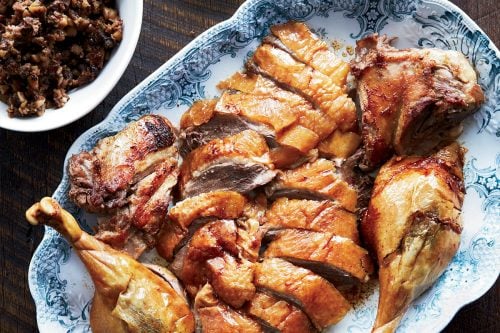
Roast Goose with Pork, Prune and Chestnut Stuffing
"While author Luke Barr's research shows that Julia Child prepared a roast goose stuffed with pork, prunes and chestnuts for Christmas dinner in 1970, no such exact recipe exists in any of her cookbooks. Inspired by the goose recipes in Child's Mastering the Art of French Cooking, F&W's Kay Chun perfected this delicious version, which calls for techniques-like basting the goose with boiling water-that Child most likely used as well."
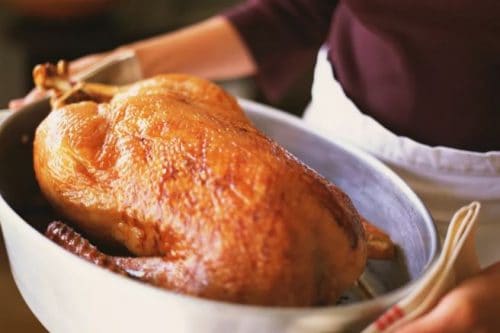
Crispy Roasted Goose Is a German Christmas Favorite
"Weihnachtsgans or German Christmas goose is the preferred fowl choice, along with duck, for festive occasions. Turkey is rarely seen on holiday dinner tables. Goose, for that matter, is rarely seen anymore, as well, which is a shame because it is so simple to prepare. Like other poultry, onions, thyme, and fruit are great seasoning choices with goose."
Roasted Goose Legs with Sour Cherry Glaze and Gravy
Instead of cooking a whole goose, F&W editor Melanie Hansche makes Roasted Goose Legs with Sour Cherry Glaze and Gravy a much more manageable endeavor.
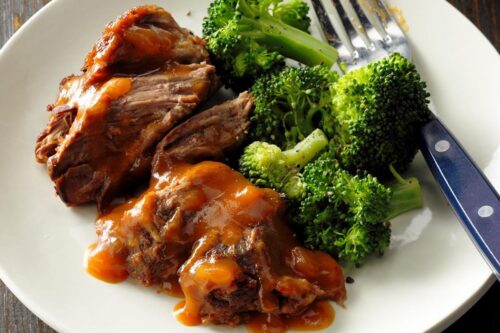
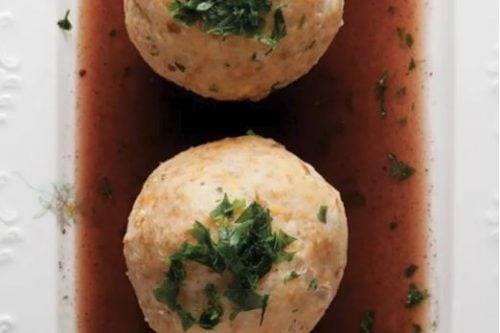
"My family is of German Lutheran descent, and although we enjoy this traditional beef roast, I never liked the amount of time and fuss it takes to make it. This recipe is so good and oh-so-easy. It's great served with dumplings, spaetzle, veggies or a salad."
Sautéed German Sausages with Bacon and Apple Sauerkraut
In Germany's Pfalz region, cooks braise sauerkraut with onions, apples, seasonings, a touch of sugar and a little of the region's Riesling wine, an accompaniment for juicy weisswurst or bratwurst.
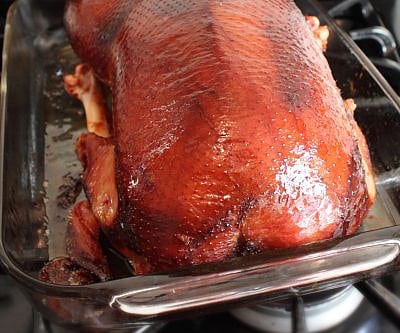
"I used half the wings to make a basic reduction sauce and the subtle smokiness worked wonderfully with the red wine, balsamic vinegar, and blackberry notes. The sauce is certainly optional, as this could be served plain with just some cranberry sauce on the side. I hope you're able to give this very easy-to-prepare, gorgeous roast goose a try."
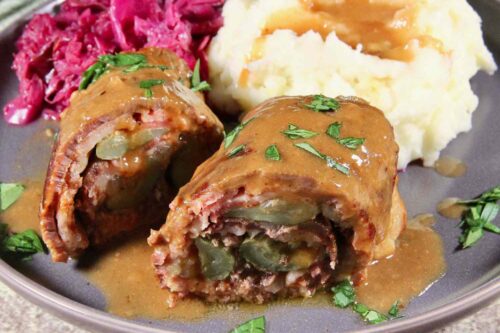
"For something that looks and tastes as impressive as this beef rouladen, it's actually one of the simplest stuffed meat recipes I know. You can pretty much use any cheap cut of beef; I used round steak, but rump, chuck, flap meat, and other similar cuts will work."
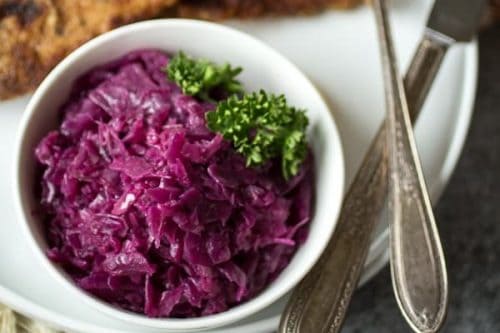
"Juniper berries, green apple, and tangy vinegar give this German braised red cabbage it's distinctive sweet and sour flavor. Make a big batch of this "rotkohl" and watch it disappear!"
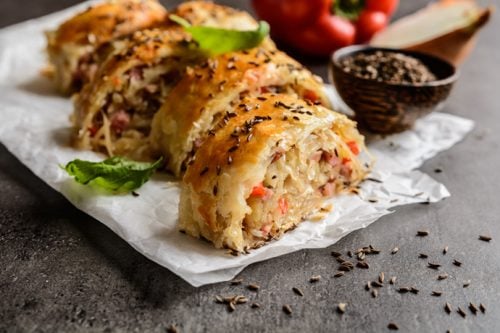
"German Krautstrudel is a delightfully easy savory cabbage roll, perfect for the season. With soft sauteed strands of cabbage, the smoky flavor of bacon and savory crunch of caraway seeds; all wrapped in a delicate, flaky crust. It's a treat friends and family will love."
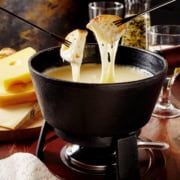
Cider and Cheddar Fondue: When snow is piling up or the winter wind is howling, when family and friends gather -- whip up a quick and easy, cozy fireside treat.
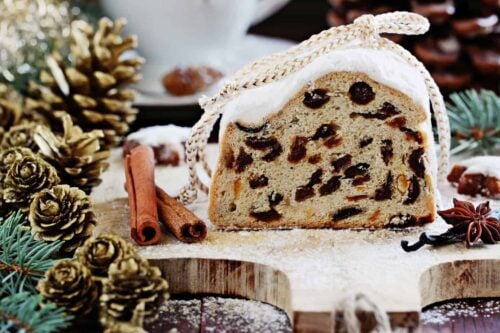
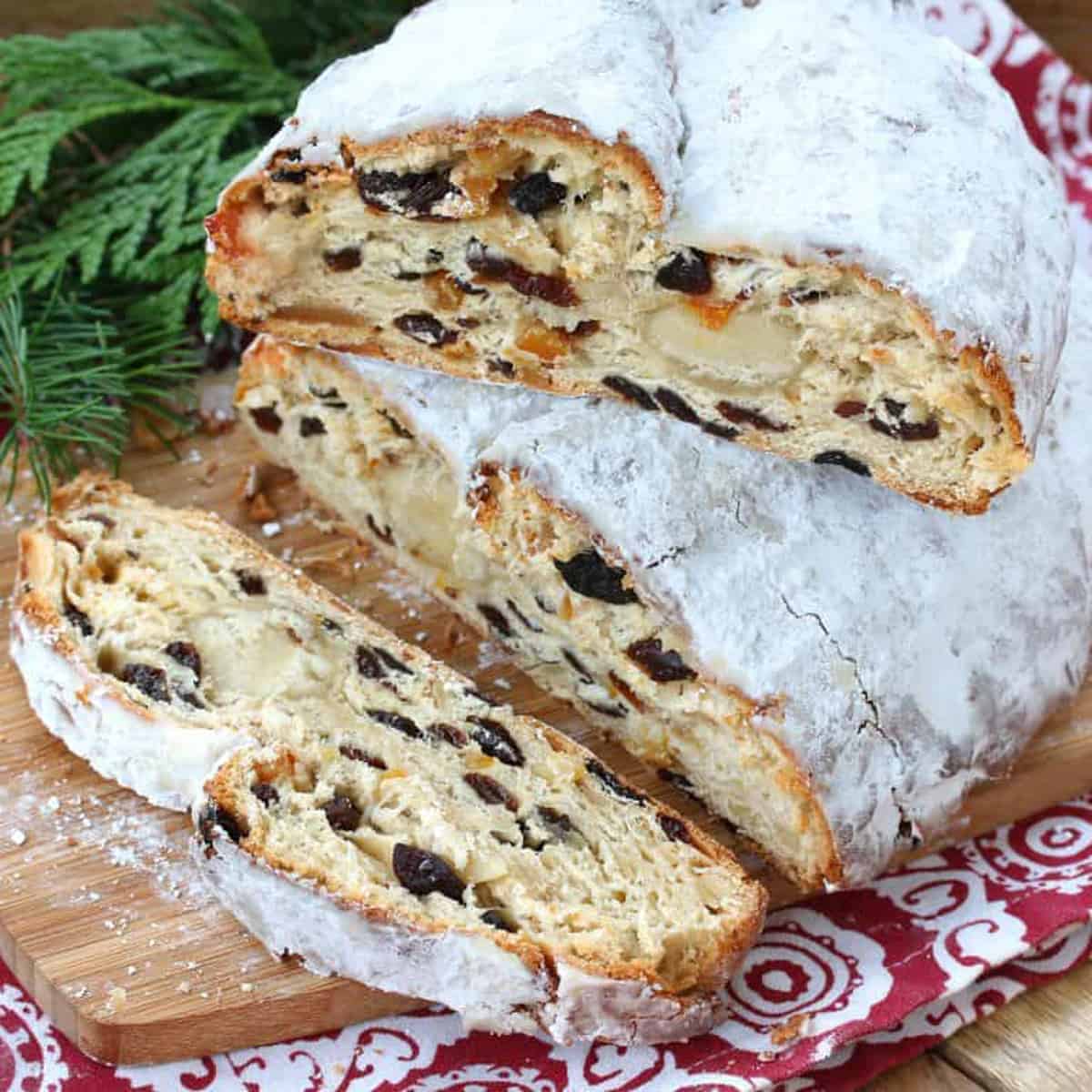
"German Stollen has been around for nearly 700 years and are prized throughout the world as one of the most famous and beloved of all Christmas pastries. Your search for the BEST authentic Stollen recipe has ended: Flaky, moist, aromatic and divinely flavorful, these homemade German Christmas Stollen are INCREDIBLE!"
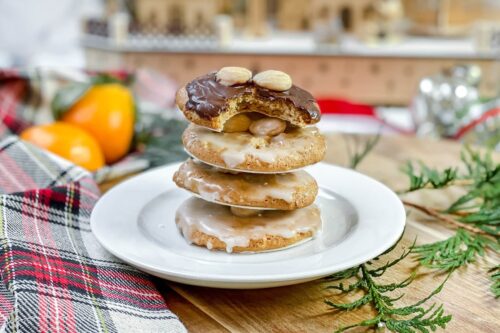
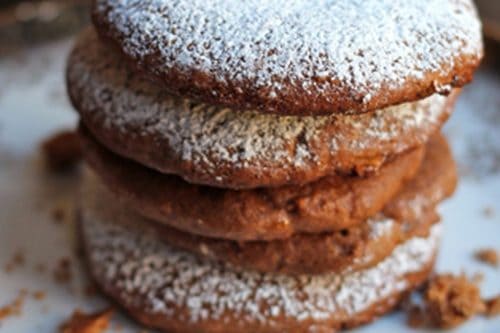
Lebkuchen Christmas Cookies is an easy-to-make flourless, soft, and chewy cookie filled with candied citrus, and ground almonds and packed with traditional gingerbread spices. Many consider them to be the world's oldest cookies.
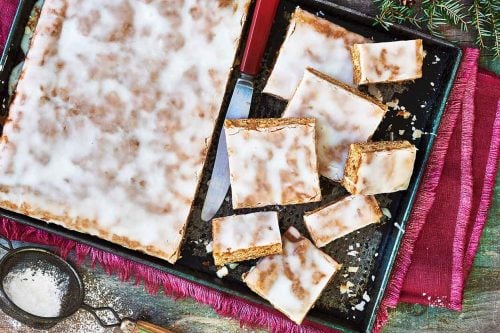
"These spicy gingerbread-like bars, which are traditional holiday fare in Germany, contain no fat other than that in the egg. They're addictive nonetheless, with their hard sugar glaze and nippy bite of crystallized ginger (substituted for the more typical citron). They keep very well too, especially when a piece of apple is tucked into their airtight container to soften them. They're a perfect accompaniment to hot tea after a blustery afternoon of scouring the shops for just-right presents."
"An assortment of German Christmas cookies at Rischart bakery in Munich. From left: chocolate-dipped coconut macaroons; cinnamon and kirsch star cookies; raspberry jam sandwich cookies; anise seed crescent cookies; chocolate-dipped shortbread cookies; chocolate-dipped hazelnut cookies."
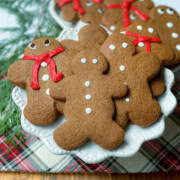
This Gingerbread Cookies recipe, inspired by German spices, is soft and perfectly delicious with molasses and brown sugar. These Gingerbread Cookies are Christmas in every bite.
"This rendition of the deeply-spiced German Christmas cookie gets its soft, chewy texture from the addition of honey. Any leftover dough scraps can be re-rolled and cut into additional cookies; remaining candied citrus can be stored in the refrigerator for up to a month."
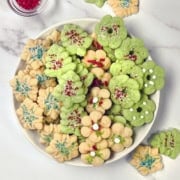
These Spritz Cookies are an easy recipe that makes dozens of sweet bite-size, dense cookies with a delicious buttery vanilla flavor. A quick and simple Christmas cookie for trays, gifts, or tea.
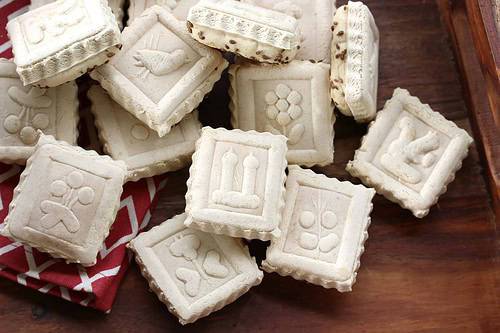
"Springerle are German anise-flavored cookies that go back at least 700 years in their rich tradition as special gifts during the holidays and other celebrations. Delicately crispy-crunchy and a slightly chewy center, they're made with simple ingredients and are easy to make but absolutely require that you follow some key steps to achieving the right look, texture and flavor. This authentic Springerle cookies recipe goes back to the Swabia region of Germany where these famous cookies originated."
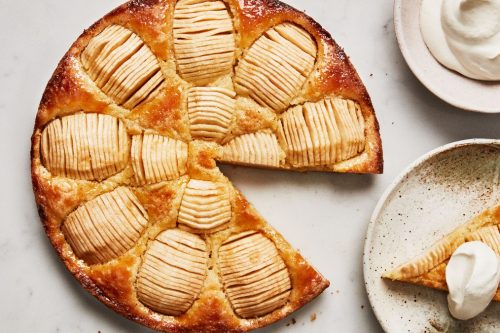
There's a family story behind this cake, "which was passed down (in memory! Not written down!) through three generations, beginning with one resourceful German grandmother. It's also known as Versunkener Apfelkuchen, meaning German apple cake."
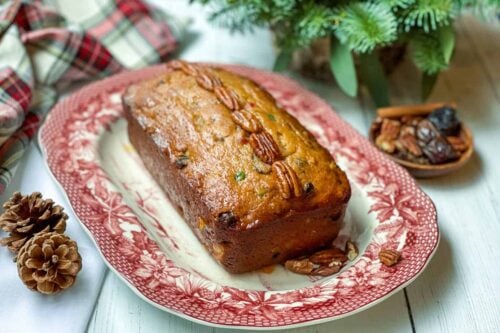
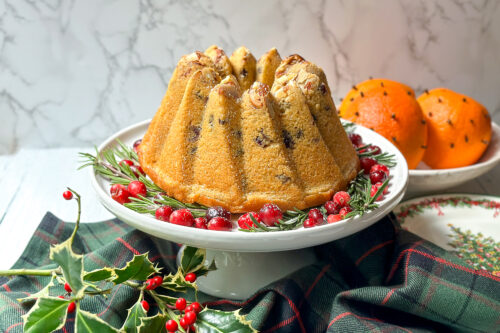
Lighter Christmas Cake with Apple and Fruit Recipe
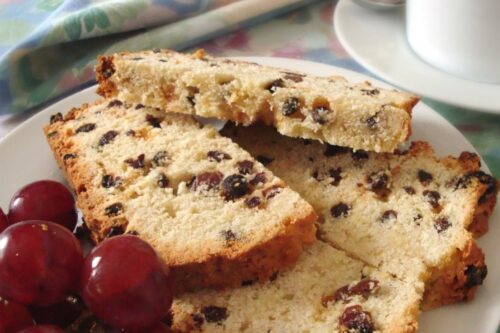
This Christmas Cake is a delicious and moist cake packed with dried fruit, citrus zest, and applesauce. And with every bite, you will taste the holidays.
"Germany celebrates Christmas with two public holidays, 25 and 26 December. For many people, 24 December, Christmas Eve, is divided into a hectic morning and a festive evening.
When Christmas Eve falls on a working day, the shops are open until noon and they are very busy as people buy their last presents or food for the festive meal. Afterward, attention focuses on decorating the Christmas tree with fairy lights and colorful baubles, wrapping up presents and preparing food."
German Christmas Traditions
While there are many German Christmas traditions, here are a few I particularly love.
Advent Calendar:
The advent calendar can be traced to 19th-century Germany. Protestant families were known to mark the days leading up to Christmas with a chalk line.
It wasn't until 1851 that the first advent calendar was made using a plain card with a paper backing. On the face were 24 windows that, when opened, revealed images of Christmas. The last window generally revealed a Nativity scene on December 24th, Christmas Eve, or Heiligabend.
If you would like to make your own Advent Calendar, see our post on Easy Homemade Advent Calendars to DIY. Amazon has many beautiful and creative advent calendars, too.
Advent Wreath (Adventskranz):
Many families in Germany create an advent wreath on the fourth Sunday before Christmas, consisting of four candles, evergreens, pinecones, and other natural materials. A candle is then lit each Sunday evening until the holiday.
Often families will spend a reflective hour together, sing Christmas carols, host children's musical performances, or watch a family movie together. And very often, hot cocoa, cider, and cookies as served too.
St. Nicholas Day (Sankt Nikolaus Tag):
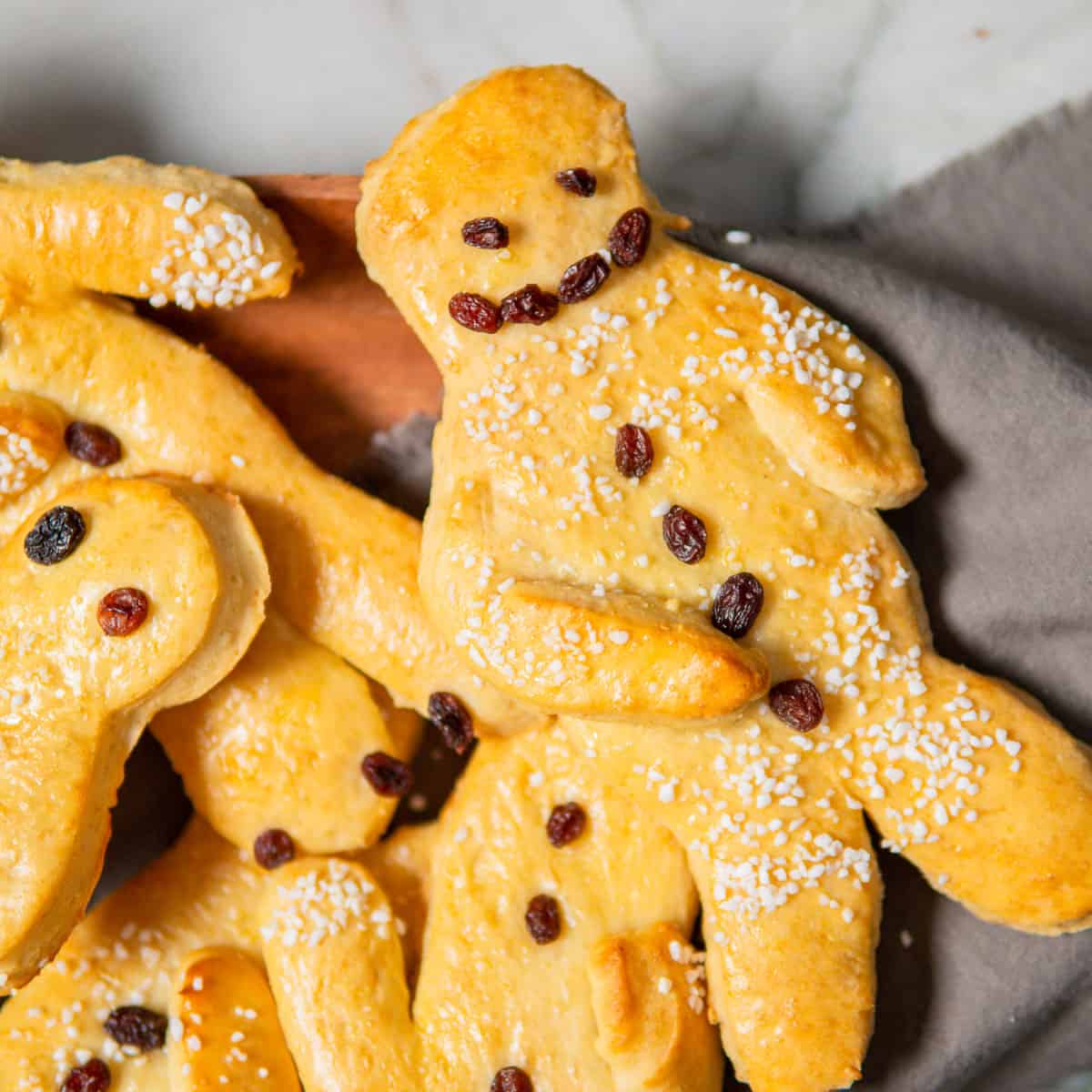
This is a favorite children's holiday in Germany.
St. Nicholas Day is celebrated on December 6th, the day St. Nicholas, the bishop of Myra in Minor Asia, died, or, in some communities and regions, on the evening of December 5, the eve of his death.
The custom is that a gray-haired man with a flowing beard, dressed as a bishop carrying a staff, knocks on doors and delivers gifts to children. He is accompanied by a "ragged-looking, devil-like Krampusse, who mildly or not so mildly scares the children." Depending on the region, these escorts were called by different names: "Belsnickle," "Niglo," "Pelznickel," and others.
Christmas Markets (Weihnachtsmärkte):
Historic German city centers, dating back to the 15th century, light up the December sky with Christmas markets, also known as Weihnachtsmärkte. Vendors set up displays of local arts and crafts, food, and more.
Otherwise known as Tannenbaum, the German Christmas tree finds its roots in the 16th century when "Christians brought decorated trees into their homes."
It's widely believed that Martin Luther was the first to add lighted candles to the Christmas tree.
History.com notes that while Martin Luther was walking toward his home one winter evening, composing a sermon, he was awed by the brilliance of stars twinkling amidst evergreens. To recapture the scene for his family, he erected a tree in the main room and wired its branches with lighted candles."
Make sure you don't lose track of this article by pinning it for later! If you are not already, you can follow me on Pinterest, as well as keep up with me on Facebook, Instagram, and YouTube.
A Peach & Lavender Garden Tea for August
Welcome late summer with a beautiful afternoon tea menu filled with garden-inspired savories, warm scones, peaches, berries, and lavender.
Love seasonal recipes and afternoon tea inspiration? Join 36,000+ readers and receive our newest ideas each week. Subscribe to the Newsletter
Stephanie Wilson
Cookbook Author, Food Writer, and Chef
Stephanie Wilson is the founder of 31Daily.com, where she shares seasonal recipes, weekly meal plans, and teatime favorites to help readers gather around the table with joy. A certified private chef, cookbook author, and longtime event planner, she brings over 20 years of experience in catering, food writing, and media production—including network television work as a producer, director, and writer. Her work has been featured by Today.com, The Kitchn, Parade, and more.
Hi loved your article. I have been looking for traditional German christmas food for our research. May I ask for your help to fill me in of what’s the go-to soup, appetizers, main course, dessert, salad, pasta, and bread that Germans enjoy during christmas. I appreciate any help.
I was looking for Springerle or Pfeffernuse cookies. Are they not German as well?
Thank you . I enjoyed your article and plan on making your recipes.
Sue S.
Hi Shelly! Thanks for alerting me. We recently changed a portion of the website -- and apparently the links on this post didn't transfer over. I've updated them now. Have a great day!


:max_bytes(150000):strip_icc()/Sour-Cherry-Glazed-Goose-Legs-With-Gravy-FT-RECIPE1221-768a6f135ddb4d158890991d575368eb.jpg)
:max_bytes(150000):strip_icc()/200510-r-xl-sauteed-german-sausages-with-bacon-and-apple-sauerkraut-2000-86286aa6deac487f9cd69efb9b3fe6a9.jpg)

:max_bytes(150000):strip_icc()/221361-traditional-sauerbraten-beauty-2x1-BP-2927-61e6ad8fae53472ca528c22383113d42.jpg)



Hi loved your article. I have been looking for traditional German christmas food for our research. May I ask for your help to fill me in of what’s the go-to soup, appetizers, main course, dessert, salad, pasta, and bread that Germans enjoy during christmas. I appreciate any help.
yummy !!!!!!!!!!! and thanks
Cute and wonderful thanks live love laugh!
I was looking for Springerle or Pfeffernuse cookies. Are they not German as well?
Thank you . I enjoyed your article and plan on making your recipes.
Sue S.
I love this article you wrote. Thanks for sharing.
Thank you, Kim! It was such a pleasure to write!!
Links don't work for various cookie recipes
Hi Shelly! Thanks for alerting me. We recently changed a portion of the website -- and apparently the links on this post didn't transfer over. I've updated them now. Have a great day!