
Easy Hollandaise Sauce Recipe (Classic Stovetop Method)
This post may contain affiliate links. Please read our disclosure policy.

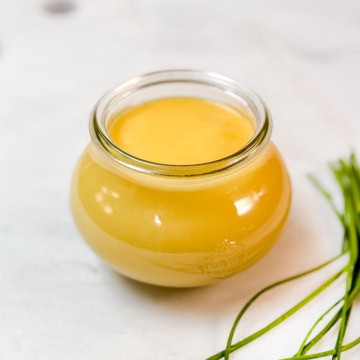
Hollandaise Sauce is one of the classic French mother sauces, known for its silky texture and bright lemon flavor. This easy stovetop hollandaise sauce recipe gently cooks egg yolks with butter and lemon juice to create a rich, creamy sauce in just minutes.
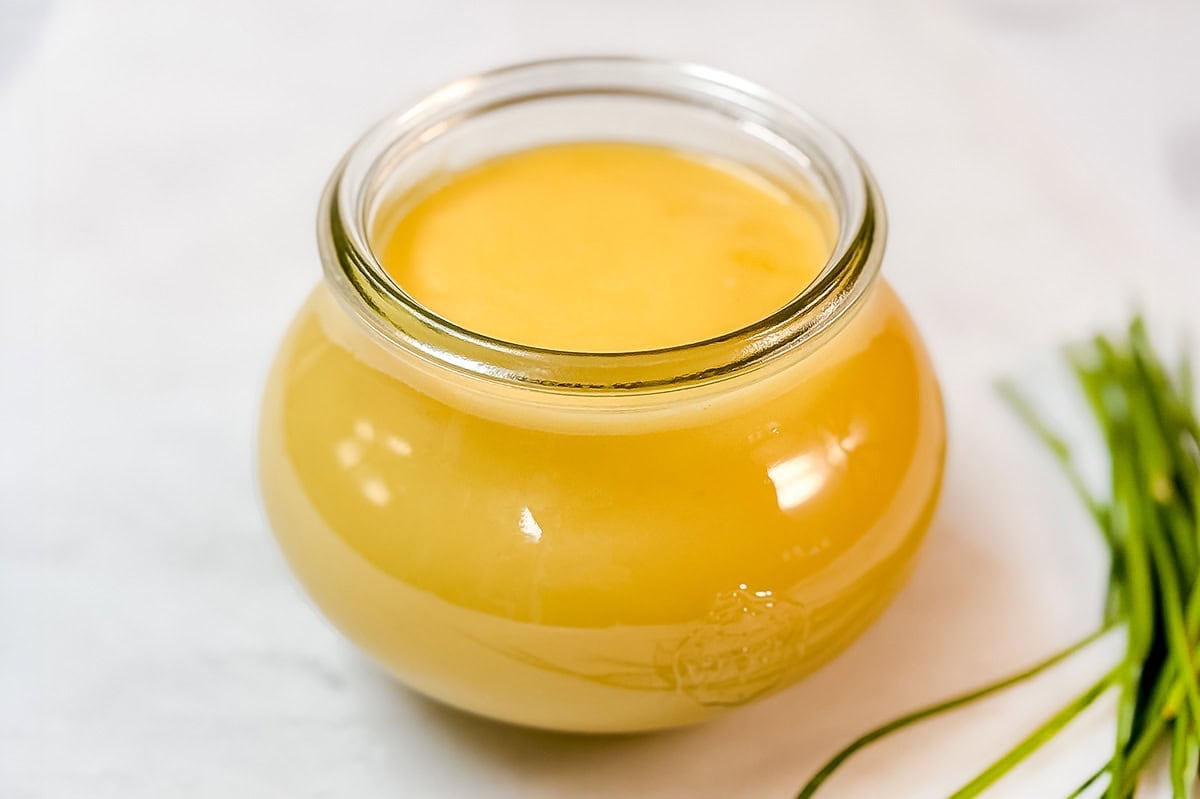
Unlike blender methods that rely on hot butter to warm the eggs, this stovetop technique cooks the sauce slowly for a more traditional preparation and incredibly smooth results.
Recipe Overview
- Prep time: 5 minutes
- Cook time: 5 minutes
- Total time: 10 minutes
- Yield: about 1 cup
- Method: stovetop
- Difficulty: easy
What Is Hollandaise Sauce?
Hollandaise sauce is one of the five classic French "mother sauces." It's made by gently emulsifying egg yolks with butter and lemon juice to create a rich, smooth sauce with a bright, tangy flavor.
Traditionally prepared over gentle heat while whisking constantly, hollandaise has a silky texture that pairs beautifully with brunch dishes like Eggs Benedict, roasted asparagus, salmon, and spring vegetables.
While many modern recipes use a blender method, the classic stovetop technique slowly cooks the eggs as the butter melts, producing a stable, creamy sauce in just a few minutes.
Jump to:
Ingredients
This classic hollandaise sauce uses just a handful of simple ingredients that come together to create a rich, creamy sauce with bright lemon flavor.
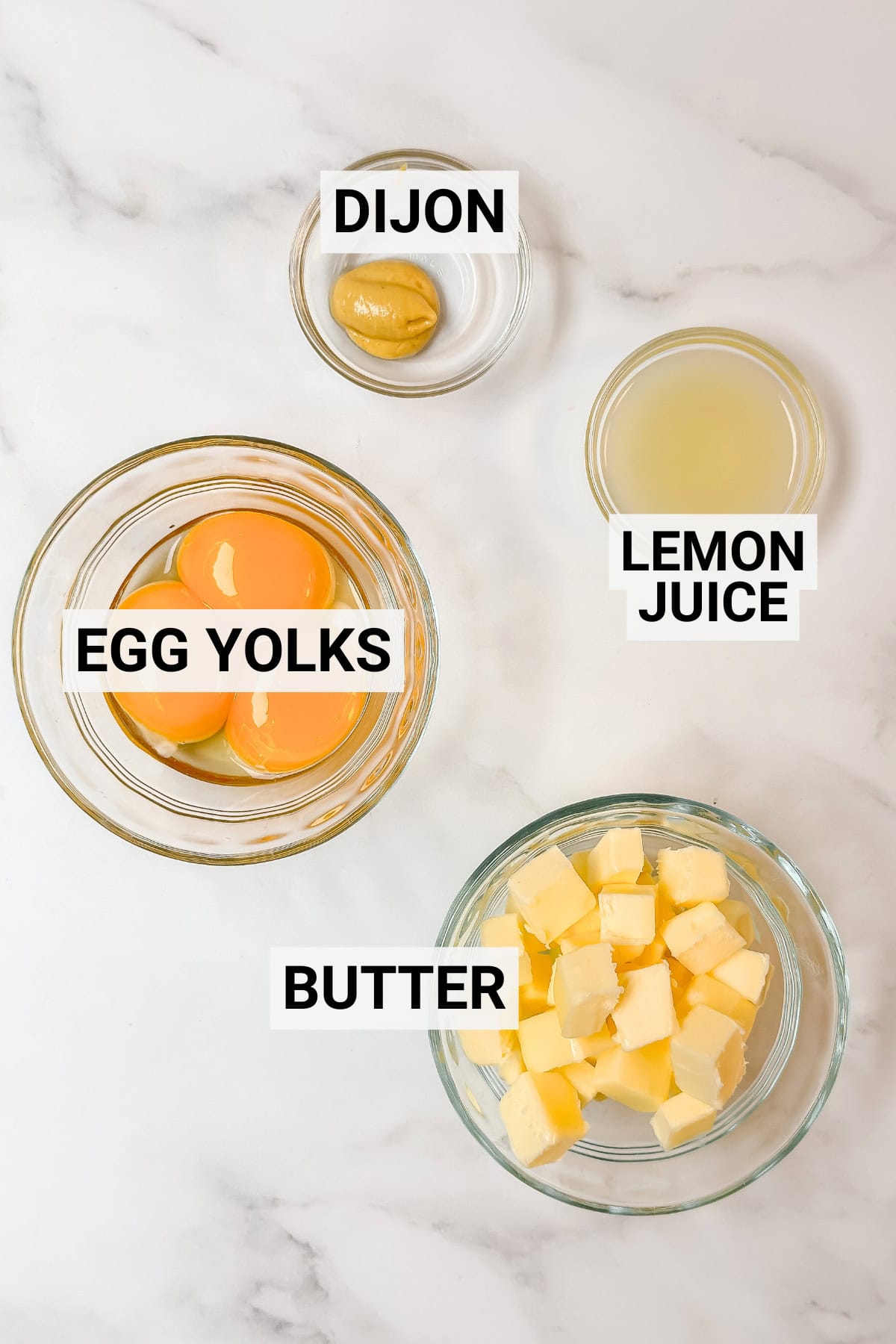
- Egg yolks: Egg yolks are the base of hollandaise sauce. They create the creamy texture and help emulsify the butter.
- Butter: Butter provides richness and body. Use unsalted butter so you can control the seasoning.
- Fresh lemon juice: Adds brightness and balances the richness of the sauce.
- Salt: Just a pinch enhances the flavor of the butter and eggs.
Optional: Cayenne or white pepper for a subtle warmth.
Why This Stovetop Method Works
While many quick recipes use a blender, this stovetop method gently cooks the egg yolks as the butter melts. The result is a stable emulsion with a silky texture and balanced lemon flavor. With constant whisking and low heat, the sauce comes together smoothly in about 5-10 minutes.
How to Make Hollandaise Sauce (Stovetop Method)
This stovetop method gently cooks the egg yolks while whisking in butter, creating a smooth and stable sauce in just a few minutes.
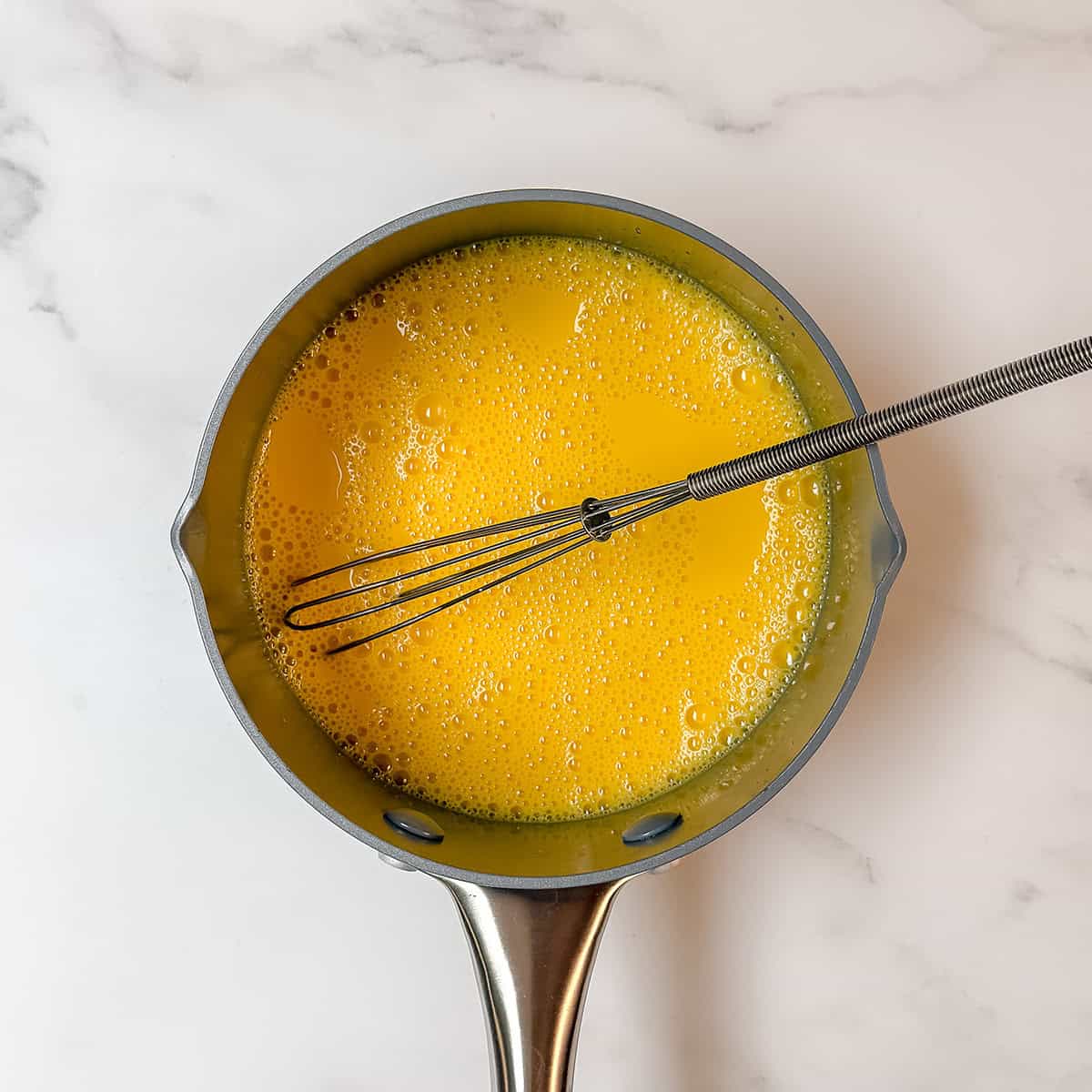
- Step 1: Whisk the egg yolks
In a small saucepan, whisk the egg yolks until smooth and slightly frothy.
- Step 2: Add the butter
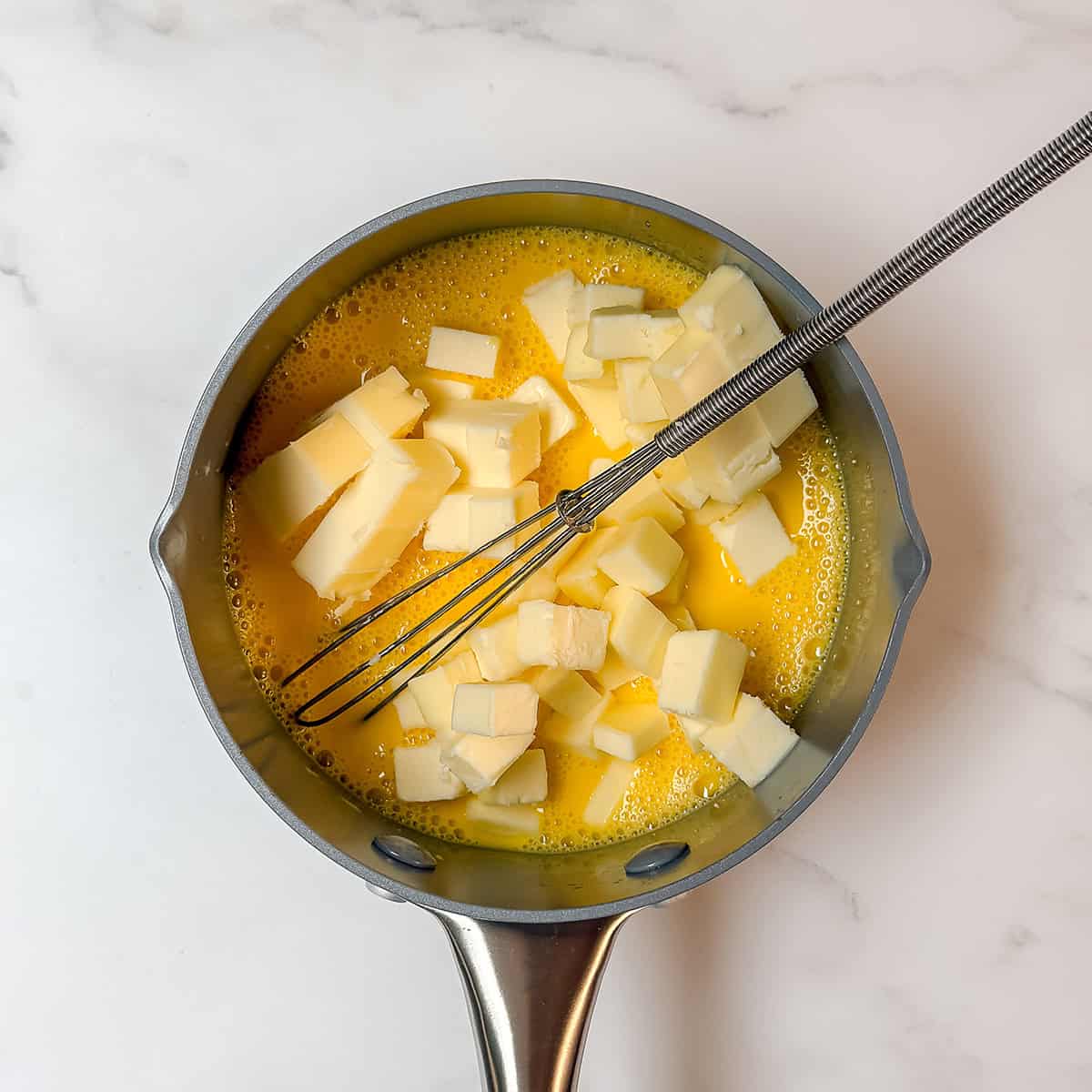
Add small cubes of butter to the saucepan with the yolks.
- Step 3: Cook gently
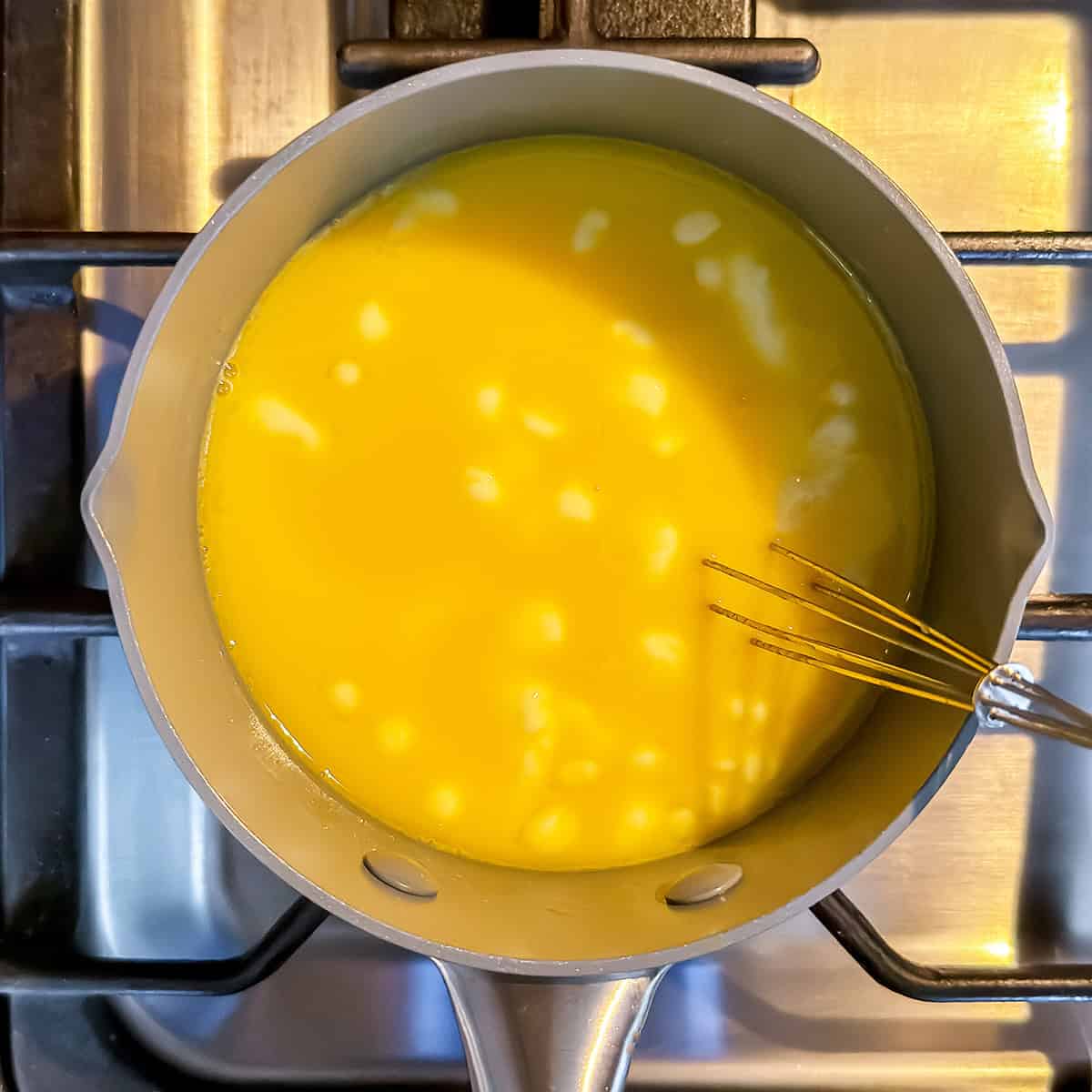
Place the pan over low heat, whisking constantly as the butter melts and the sauce begins to thicken. The mixture will slowly emulsify into a creamy sauce.
- Step 4: Finish the sauce
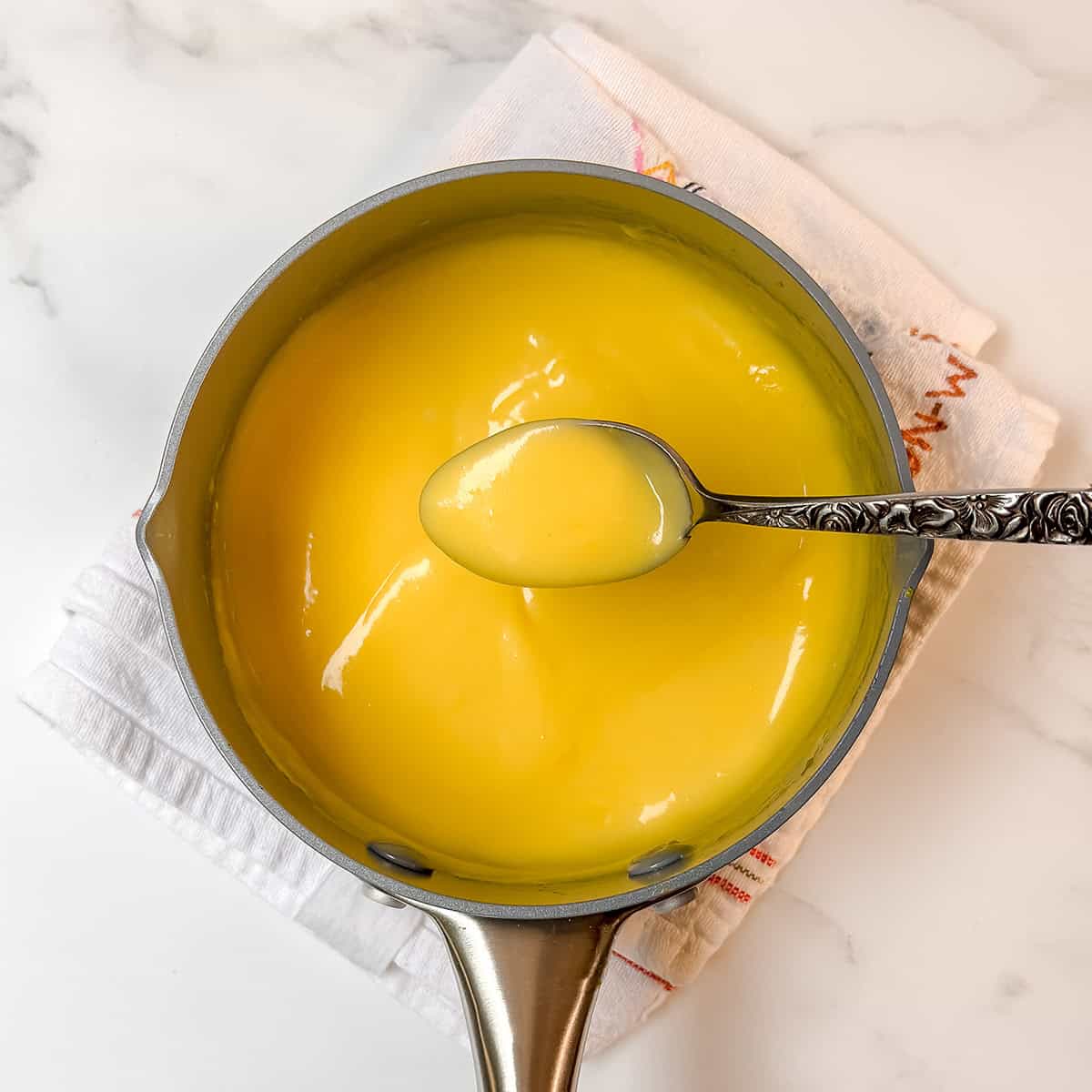
Continue whisking until the sauce thickens enough to coat the back of a spoon. Remove from heat and stir in lemon juice and salt to taste.
Tips for Perfect Hollandaise
- ✔ Use low heat to prevent the eggs from scrambling.
- ✔ Whisk constantly while cooking.
- ✔ If the sauce becomes too thick, whisk in a teaspoon of warm water.
- ✔ Serve immediately for the best texture.
Ways to Serve Hollandaise Sauce
Hollandaise is a versatile sauce that pairs beautifully with many dishes.
Try it with:
- Eggs Benedict
- Poached eggs or over a Breakfast Tart with Bacon and Eggs
- Roasted asparagus
- Steamed vegetables
- Salmon or crab
- Breakfast casseroles
- Scalloped potatoes or fried potatoes
It's also wonderful drizzled over spring vegetables like asparagus and steamed artichokes.
Troubleshooting Hollandaise Sauce
Hollandaise is a simple sauce, but because it's an emulsion of eggs and butter, it can occasionally need a quick adjustment.
- If the sauce becomes too thick:
Whisk in a teaspoon of warm water until it loosens to a smooth, pourable consistency. - If the sauce looks separated or oily:
Remove the pan from the heat and whisk vigorously. Adding a teaspoon of warm water often helps bring the emulsion back together. - If the eggs begin to cook too quickly:
Immediately remove the pan from the heat and whisk continuously if the sauce begins to look slightly scrambled. The residual heat will usually finish cooking the sauce gently. - If the sauce tastes too rich:
Add a little extra lemon juice to brighten the flavor.
Recipe FAQ's
Yes. When made using the stovetop method, the egg yolks are gently cooked as the sauce thickens, making it safe to serve warm. Use fresh eggs and cook the sauce slowly over low heat while whisking.
Hollandaise is best served fresh, but it can be kept warm for about 30 minutes. Place the saucepan over a bowl of warm water and whisk occasionally to maintain a smooth texture.
Hollandaise sauce can separate if the heat is too high or the butter is added too quickly. If the sauce breaks, whisk in a teaspoon of warm water to help bring the emulsion back together.
Yes, but gently. Reheat the sauce slowly over very low heat while whisking constantly. Adding a teaspoon of warm water can help loosen the sauce if it thickens., but gently. Reheat slowly over low heat while whisking constantly.
Want to save this recipe?
Enter your email, and we'll send it to your inbox. Plus, you'll get delicious new recipes from us every Friday!
Easy Stovetop Hollandaise Sauce Recipe
Equipment
Ingredients
- 3 egg yolks
- 3 tablespoons water
- 1 ½ tablespoon lemon juice
- ¼ teaspoon Dijon mustard
- ¼ teaspoon cayenne pepper
- 9 tablespoons salted butter melted

Instructions
- Place egg yolks in a small saucepan. The whites can be saved for a different recipe.
- Add the water and lemon juice to the yolks in saucepan and whisk the until smooth.
- Dice the cold butter into small pieces and add them to the yolk mixture.
- Place the saucepan over medium-low heat and continuously whisk as the egg mixture heats. The butter will begin to melt and the sauce will begin to froth. As it continues to cook, the mixture will thicken. Continue to whisk continuously until a light, smooth sauce with the consistency of gravy emerges.
- Remove from the heat, season with salt and a pinch of cayenne to taste. Drizzle over eggs benedict, salmon, or your favorite food.
Notes
- Tip: Use low heat. Hollandaise sauce cooks best over gentle heat. If the pan becomes too hot, remove it briefly from the burner while whisking to prevent the eggs from scrambling.
- Tip: Whisk constantly. Continuous whisking helps create a smooth emulsion between the egg yolks and butter.
- Butter cubes. Cutting the butter into small cubes helps it melt gradually and incorporate smoothly into the sauce.
- Thickness. If the sauce becomes too thick, whisk in 1-2 teaspoons of warm water until it reaches the desired consistency.
- Season to taste. After adding the lemon juice, taste the sauce and adjust with salt, additional lemon juice, or a pinch of cayenne or white pepper.
- Serving temperature. Hollandaise is best served warm immediately after making. If needed, keep it warm for up to 30 minutes by placing the saucepan over a bowl of warm (not hot) water.
- Reheating. Reheat very gently over low heat while whisking constantly. Add a teaspoon of warm water if needed to loosen the sauce.
Nutritional information is only an estimate. The accuracy of the nutritional information for any recipe on this site is not guaranteed.
Serving Ideas
These are my favorite dishes to serve with this classic hollandaise sauce recipe:


If you try this recipe, I'd love to hear your comments and consider giving it a 5-star rating. Explore the recipe index for more easy, delicious ideas, and stay updated by subscribing to our newsletter and following us on Facebook, Pinterest, Instagram, and YouTube!
While it always seems easy to mix a packet of store-bought Hollandaise Sauce, this easy sauce will change your mind. It's so incredibly rich and delicious and will elevate any poached egg, breakfast casserole, salmon dish or roasted vegetable to a whole new level. It's one of my favorite easy sauce recipes for brunch season!