
Best Turkey Basting Recipe
This post may contain affiliate links. Please read our disclosure policy.
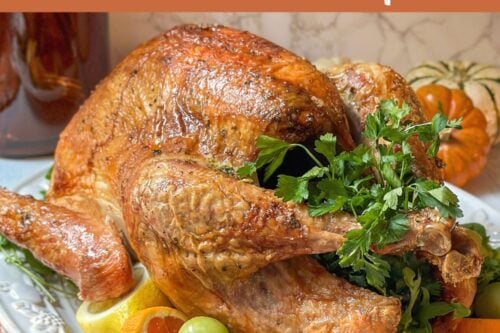
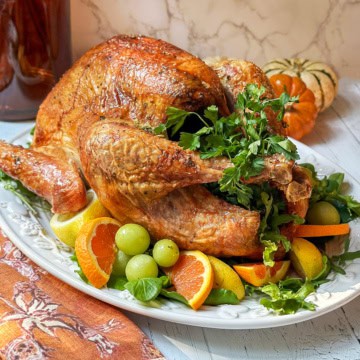
This Self-Basting Roast Turkey is the ultimate turkey basting recipe for the holidays. Infused with butter, citrus, and herbs, it roasts to golden perfection with tender, juicy meat and crisp, flavorful skin. A simple, foolproof method that makes every Thanksgiving turkey memorable.
See these Best Roast Turkey recipes for more inspiring and delicious ideas!

Whether you're cooking for Thanksgiving or Christmas, this is the best turkey basting recipe I've ever used! And if citrus isn't the flavor you're looking for, the seasoned compound butter method will work on most recipes.
You may want to apply it to my Roast Turkey Recipe with Apple Cider and Thyme or Herb Roasted Turkey.
Jump to:
- What is a Turkey Basting Recipe?
- Ingredients
- How to Make a Self Basting Roast Turkey with Timeline
- How to Truss a Thanksgiving Turkey
- How to Roast a Turkey
- Confection Oven: Roasting Temperature and Time
- Chef's Tip
- Recipe FAQs:
- How to Carve a Turkey
- Garnishing a Citrus Herb Roast Turkey
- More Thanksgiving Recipes
- Self Basting Roast Turkey Recipe
- 💬 Comments
What is a Turkey Basting Recipe?
It's a slow-roasted turkey that bastes itself in juices packed with bright citrus and herb flavors. This self-basting turkey recipe uses a herbed butter compound under the skin to baste the turkey meat while it roasts, delivering a juicy, crispy, beautiful skin with tender, seasoned meat.
It's like brining a turkey without any fuss or mess, eliminating the need for a turkey baster and basting the pan drippings over the bird every few minutes. But DO save those drippings for a delicious turkey gravy! If you love brined turkeys, see this dry brine turkey for the easiest recipe!
Ingredients
Specific measurements are in the recipe card at the bottom of this post. This is a summary of the ingredients you'll need:
- Fresh or frozen turkey (16 to 18 pounds) and completely thawed
- Kosher salt and freshly cracked black pepper
- Unsalted butter at room temperature
- Fresh herbs (like parsley, rosemary, thyme, and sage)
- Medium onions
- Fresh lemons and oranges for stuffing and garnishing the roasted turkey
How to Make a Self Basting Roast Turkey with Timeline
Roasting a holiday turkey can feel stressful; after all, it's the centerpiece of the feast!
But truly, it's one of the easiest parts of the meal. And this Roast Turkey Recipe with Citrus and Herbs actually bastes itself, giving you plenty of time to enjoy family and friends. Well, and get the Thanksgiving sides and beautiful salads ready!
The key to a delicious roasted turkey is not to overcook it. It's that simple.
One Day Before: Preparing for Roasting
Prepare the wholly thawed turkey the day before serving. Pull out the neck and gizzards inside the turkey, trim any bits of extra skin or fat around the head and tail of the bird, and tuck the wings underneath the turkey. Dry it thoroughly, inside and out, with paper towels, and season the inside with salt and pepper.

Step 1: Make the herb butter compound
In a small bowl, combine the butter with salt, a bit of pepper, and 2 tablespoons of finely chopped herbs (I like a combination of parsley, rosemary, and sage, but use your favorite blend, or just one of them). Mix until thoroughly combined.
Step 2: Loosen the skin and apply the butter compound
Using the tips of your index and middle fingers or the rounded end of a small silicone spatula, slide your finger between the skin and the breast meat, breaking the thin, clear membrane and separating the two. Wiggle your finger until the skin has loosened. Repeat on the other side of the breast.
Repeat the process on both sides of the neck opening until all 4 breast quadrants have loosened. Be careful not to tear the skin.
Step 3: Apply the compound
Lift each opening in the four breast quadrants and insert a spoonful of the compound herb butter, using the skin to release the butter from the spoon onto the meat. Repeat until all 4 areas have the compound. Massage the butter through the skin to create a covering over the meat. Then, use the remaining butter to coat the outside of the turkey, including the legs, thighs, and wings. Sprinkle salt and pepper over the top.
Place the turkey breast side up in a roasting pan or a rimmed baking sheet. Refrigerate for 24 hours or overnight. This will help the skin crisp as it bakes.
How to Truss a Thanksgiving Turkey
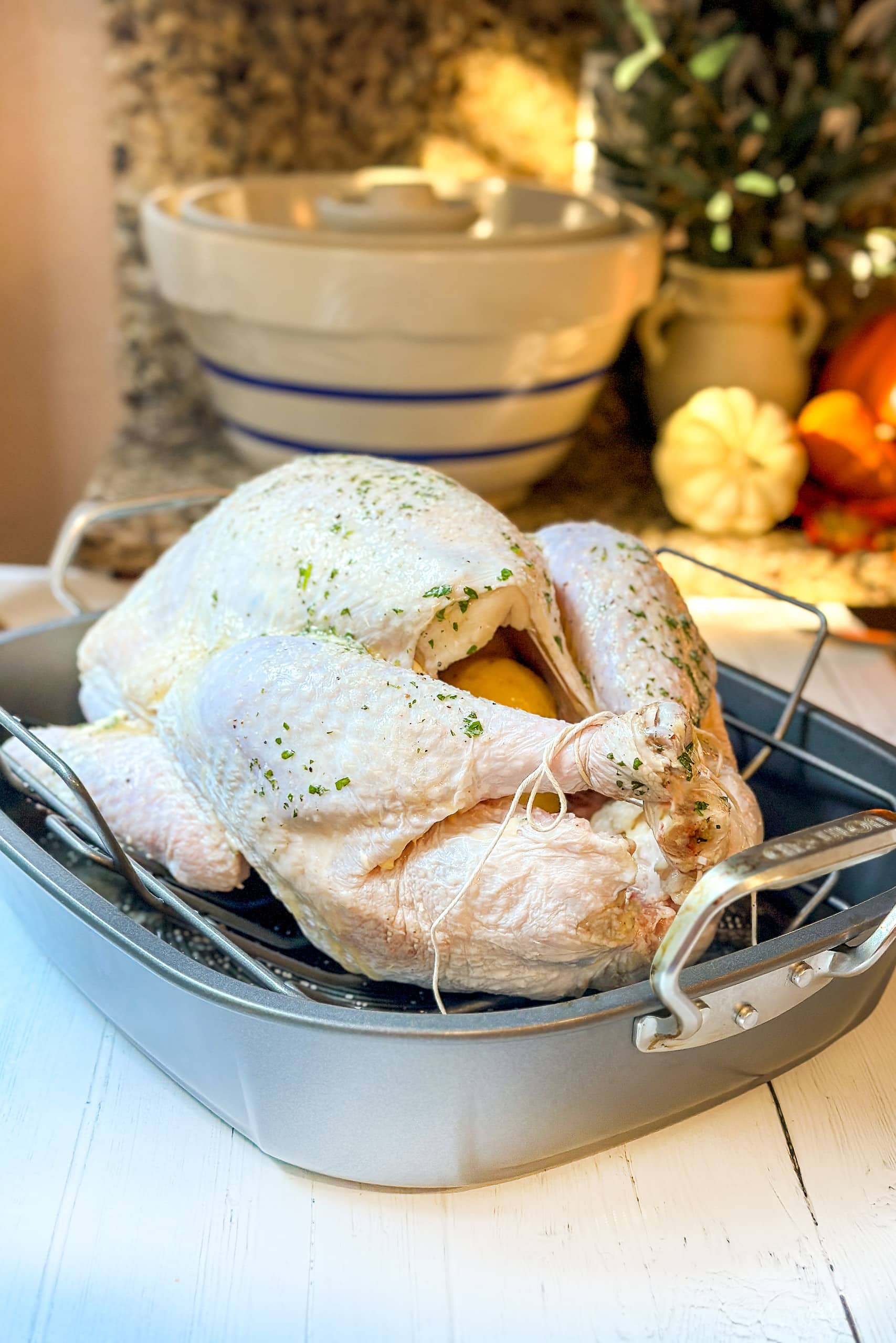
Here is a simple way to truss a turkey. To provide stability, tuck the turkey's wings under the body and tie the legs together with kitchen twine.
How to Roast a Turkey
Remove the turkey from the refrigerator about 1 hour before cooking; bringing it to room temperature helps it cook evenly.
- Preheat the oven to 350 degrees F and place the oven rack so the turkey will sit in the middle of the oven. (See notes above for using a convection oven).
- Quarter the lemons and onions and place them inside the turkey's cavity. Tie the ends of the drumsticks together with kitchen twine.
- Transfer the turkey to the oven and bake until an instant-read thermometer inserted into the thickest part of each thigh reads at least 165 degrees (see USDA recommended temperatures) and the skin is golden brown. This will take 10 to 13 minutes per pound, or 2½ to 3½ hours, depending on the size of the turkey.
- Remove the turkey from the oven and cover loosely with foil to keep it warm. The turkey's internal temperature will continue to rise up to 10 degrees or more.
How Long To Roast a Turkey in the Oven
Generally speaking, a turkey will take 10 to 13 minutes per pound, depending on how cold the turkey is when it goes into the oven.
How do you tell when it's done?
The only accurate way to tell if the turkey is done is to use a thermometer inserted into the thickest part of the thigh and the breast. The turkey must reach a minimum internal temperature of 165 degrees F
Confection Oven: Roasting Temperature and Time
The question always arises: Can I cook a turkey in a convection oven? The answer is "definitely yes." If you have access to one, it's a delicious way to cook a turkey evenly.
If you have a convection oven, here's what you need to know:
What temperature should I roast my turkey at with a convection oven?
Preheat the oven to 350°F and remove shelves if necessary so the turkey will sit in the middle of the oven in the roaster or sheet pan.
How long should a turkey cook in a convection oven?
According to the National Turkey Federation, they recommend the following cooking chart below for convection cooking, depending on the size of your turkey, and to test the temperature in the thickest part of the thigh with a meat thermometer without touching the bone.
- 12-15 pounds, 1.5-2 hours
- 15-20 pounds, 2-2.5 hours
- 20-25 pounds, 2.5-3 hours
Chef's Tip
The secret to a perfect self-basting turkey is balance-fat for richness, acid for brightness, and moisture for tenderness. This combination of butter, citrus, and aromatics keeps the turkey basting itself as it roasts, so you can spend less time opening the oven and more time enjoying the day.

Recipe FAQs:
Plan on 1 to 1½ pounds of turkey per person. If you're serving eight people, plan on a 12-pound turkey. If you love leftovers, consider a slightly larger turkey.
Place the frozen turkey in its original wrapper in a container to catch any juices. (I use a foil roasting pan easily found at the market). Thaw in the refrigerator for 24 hours for every 5 pounds. My refrigerator tends to run cold, so I always add an extra day for thawing.
The USDA recommends that turkeys not be rinsed. They say rinsing a turkey can spread poultry juices and contaminate kitchen surfaces, utensils, and other foods.
No, but basting adds flavor and helps the skin become beautifully golden and crisp. In this recipe, the butter-herb baste keeps the turkey self-moistening throughout roasting-no constant opening of the oven required.
Yes! This recipe is designed for advanced prep. You'll season and baste the turkey in the days leading up to Thanksgiving, saving you stress on the big day.
How to Carve a Turkey
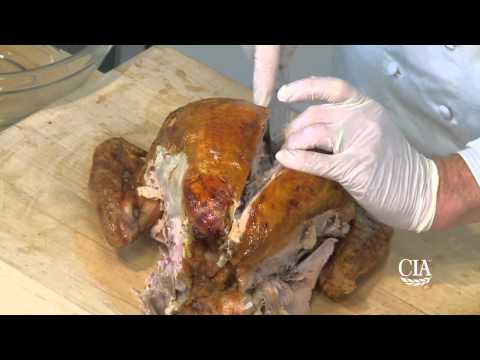
After removing the turkey from the oven, tent a sheet of foil over it. Let it rest for 30 minutes before carving for juicy and tender meat. Then, remove the foil and transfer the turkey to a large cutting board with channels around the edges to help catch juices.
This Culinary Institute of America video will show you how to carve a turkey.
Garnishing a Citrus Herb Roast Turkey
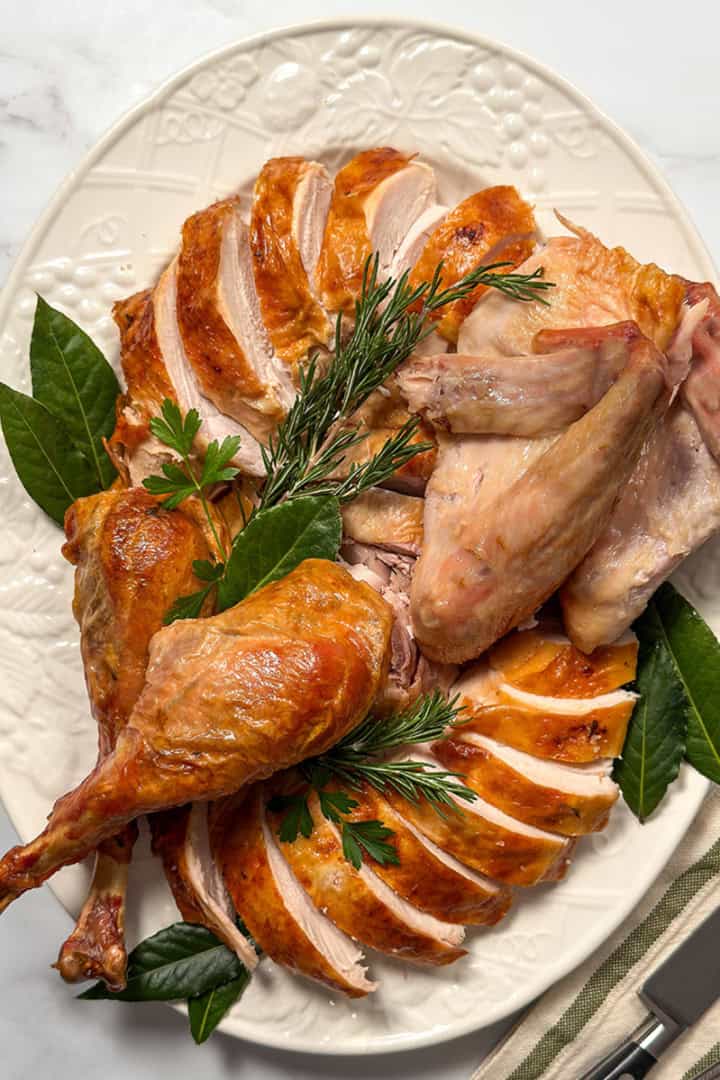
Place the carved (or whole) turkey on a serving platter and tuck fresh herbs around the outside, such as sage, parsley, and rosemary. Garnish with fresh lemon and orange slices for color, and add fresh grapes and greens to the platter.
More Thanksgiving Recipes
- 28 Easy Thanksgiving Side Dishes
- Easy Thanksgiving Desserts That Aren't Pumpkin Pie
- Beautiful Thanksgiving Salad Recipes
- 12 BEST Mashed Potatoes Recipes
- Sweet Potato Soup Recipe
- Simple and Classic Stuffing for Thanksgiving
- Easy Bacon Corn Pudding
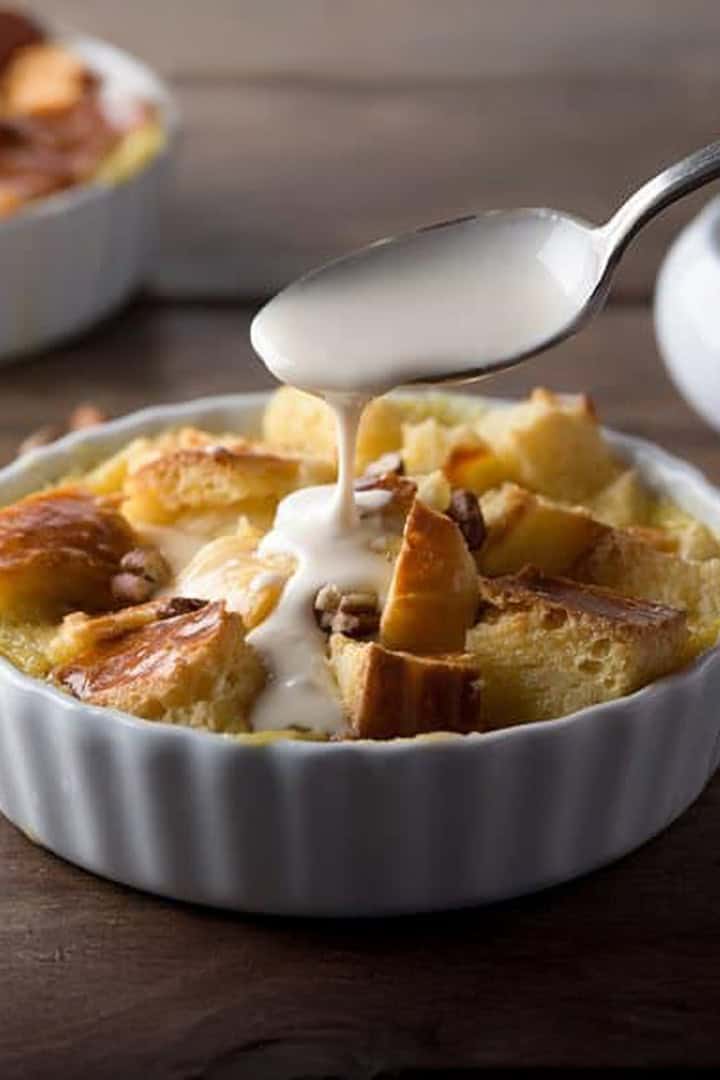
- Cinnamon Brioche Bread Pudding
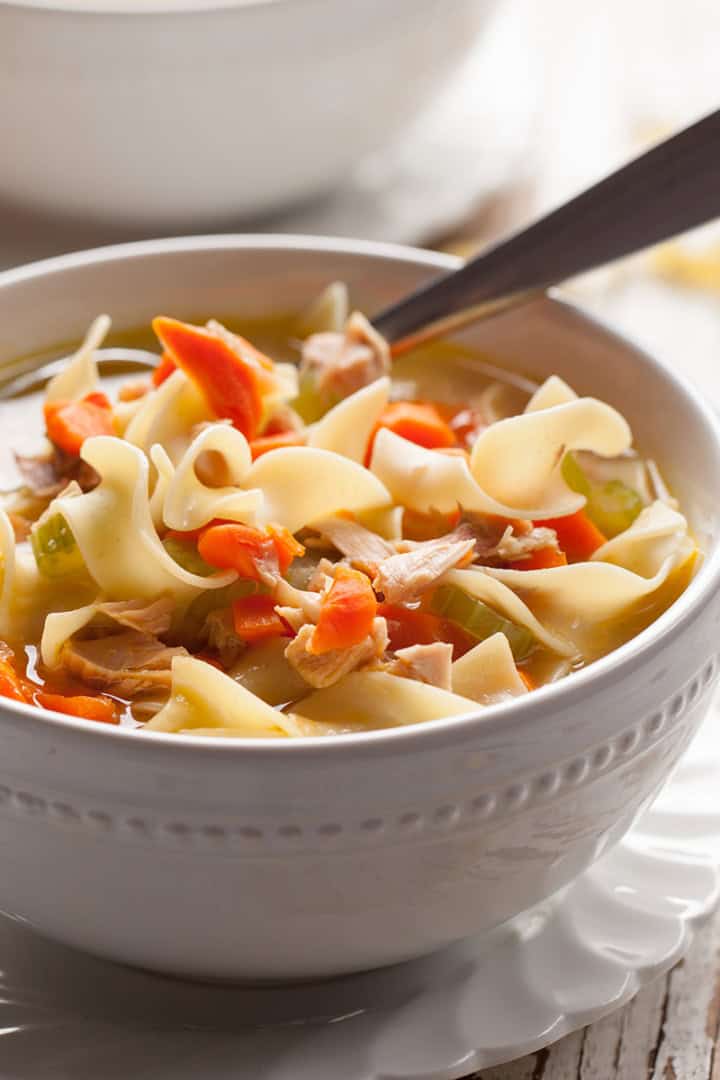
- Leftover Turkey Noodle Soup
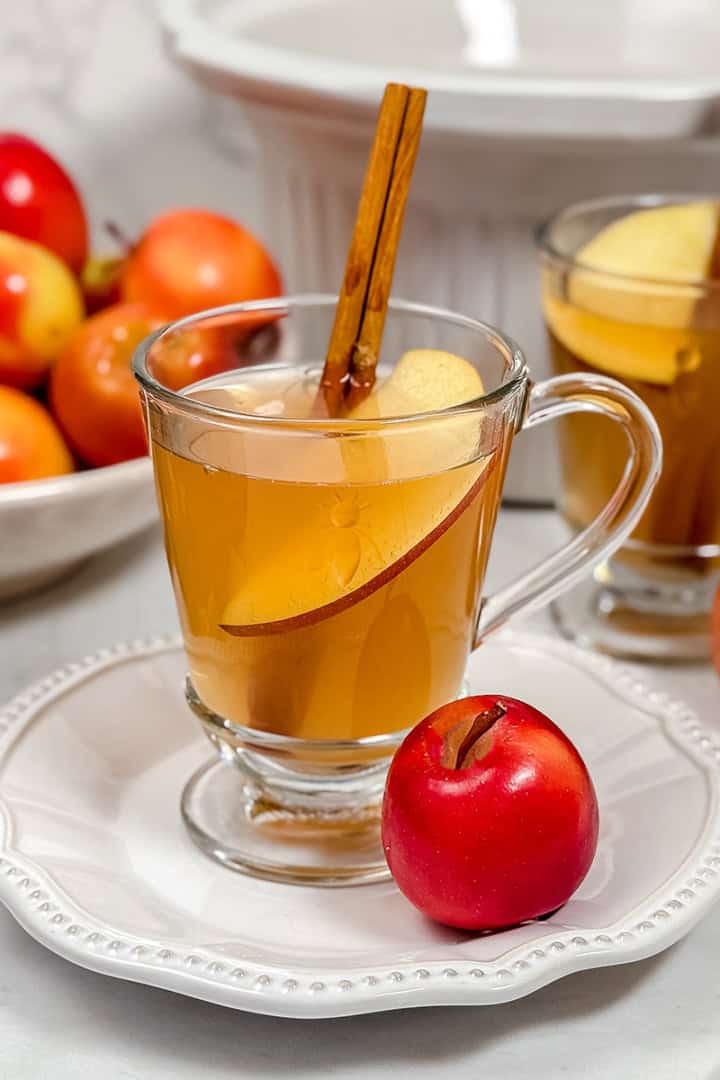
- Crockpot Apple Cider
- How to Carve a Turkey (Step-by-Step)
If you try this recipe, I'd love to hear your comments and consider giving it a 5-star rating. Explore the recipe index for more easy, delicious ideas, and stay updated by subscribing to our newsletter and following us on Facebook, Pinterest, Instagram, and YouTube!
Want to save this recipe?
Enter your email, and we'll send it to your inbox. Plus, you'll get delicious new recipes from us every Friday!
Self Basting Roast Turkey Recipe
Ingredients
- 1 whole 16-18 pound turkey thawed
- 2 tablespoons kosher salt
- 1 teaspoon freshly cracked pepper
- 1 cup unsalted butter at room temperature
- 1 bunch of fresh herbs like parsley, thyme, rosemary, and sage
- 2 lemons quartered, plus more for garnish
- 2 yellow onions peeled and quartered

Instructions
Prepare the Turkey 1 Day Ahead
- Prepare the wholly thawed turkey the day before serving. Pull out the neck and gizzards inside the turkey, trim any bits of extra skin or fat around the head and tail of the bird, and tuck the wings underneath the turkey. Dry it thoroughly, inside and out, with paper towels, and season the inside with salt and pepper.
- Make the butter compound: In a small bowl, combine the softened butter with 2 tablespoons of kosher salt, a bit of pepper, and 2 tablespoons of finely chopped herbs (I like a combination of parsley, rosemary, and sage, but use your favorite blend, or just one of them). Mix until thoroughly combined.
- Loosen the skin: Using the tips of your index and middle fingers or the rounded end of a small silicone spatula, slide your finger between the skin and the meat of the breast, breaking the thin, clear membrane and separating the two. Wiggle your finger until the skin has loosened. Repeat on the other side of the breast and on both sides of the neck opening until all 4 breast quadrants have loosened. Be careful not to tear the skin.
- Apply Compound & Refrigerate: Lift each opening in the four breast quadrants and insert a spoonful of the compound herb butter, using the skin to release the butter from the spoon onto the meat. Repeat until all 4 areas have the compound. Use your hands to massage the butter through the skin to create a covering over the meat. Then, use the remaining butter to coat the outside of the turkey, including the legs, thighs, and wings. Sprinkle salt and pepper over the top.Place the turkey breast side up in a roasting pan or a rimmed baking sheet. Refrigerate for 24 hours or overnight. This will help the skin crisp as it bakes.
Day of Cooking the Turkey
- Remove the turkey from the refrigerator about 1 hour before cooking; bringing it to room temperature helps it cook evenly. Preheat the oven to 350 degrees F and place the oven rack so the turkey will sit in the middle of the oven.
- Quarter the lemons and onions and place them inside the turkey's cavity. Tie the ends of the drumsticks together with kitchen twine.
- Transfer the turkey to the oven and bake until an instant-read thermometer inserted into the thickest part of each thigh reads at least 165 degrees (see USDA recommended temperatures), which will be around 10 to 13 minutes per pound, or 2½ to 3½ hours, depending on the size of the turkey.
- Remove the turkey from the oven and cover loosely with foil to keep it warm. Remember that the turkey's internal temperature will continue to rise, up to 10 degrees or more. Reserve the dripping for gravy if desired and carve when ready to serve.
Notes
- Frozen Turkeys: Place the frozen turkey in its original wrapper in a container to catch any juices. (I use a foil roasting pan easily found at the market). Thaw in the refrigerator, 24 hours for every 5 pounds. My refrigerator tends to run cold so I always add an extra day to that time for thawing.
- Plan Ahead: This recipe is designed for stress-free Thanksgiving prep. Follow the day-by-day guide-seasoning and preparing the bird early ensures maximum flavor and moisture.
- Use a Roasting Rack: Elevating the turkey helps hot air circulate and allows the basting liquid to flow evenly around the bird, preventing soggy skin.
- Butter vs. Oil: Butter gives a richer flavor and deeper golden color, but olive oil can be substituted if preferred. Either way, ensure the fat is seasoned well.
- Basting Tip: If you open the oven to baste, work quickly to prevent heat loss. A bulb baster or long-handled spoon helps minimize oven time.
- Thermometer Accuracy: The most reliable way to ensure juicy meat is to use an instant-read thermometer. Pull the turkey when the breast reaches 160°F-it will rise to 165°F while resting.
- Rest Before Carving: Allow the turkey to rest at least 20 minutes before carving. This lets the juices redistribute, keeping each slice moist and flavorful.
- Make-Ahead Gravy: You can prepare the gravy base a day or two ahead using turkey neck, giblets, and stock-then finish with pan drippings on the day of serving. See my easy turkey gravy recipe.
- Leftovers: Store cooked turkey in an airtight container in the refrigerator for up to 4 days. It makes delicious sandwiches, soups, or turkey salad the next day.
Nutritional information is only an estimate. The accuracy of the nutritional information for any recipe on this site is not guaranteed.
Great recipes but this site is overrun with advertisements. Driving me 🤪