
Buckingham Palace Shortbread Cookies
This post may contain affiliate links. Please read our disclosure policy.
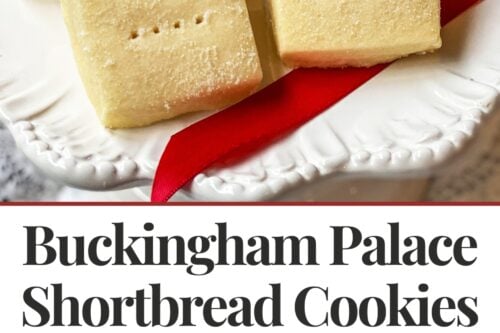

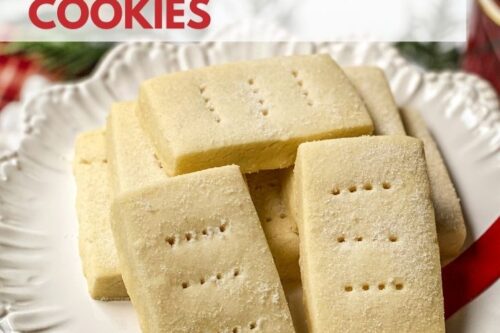
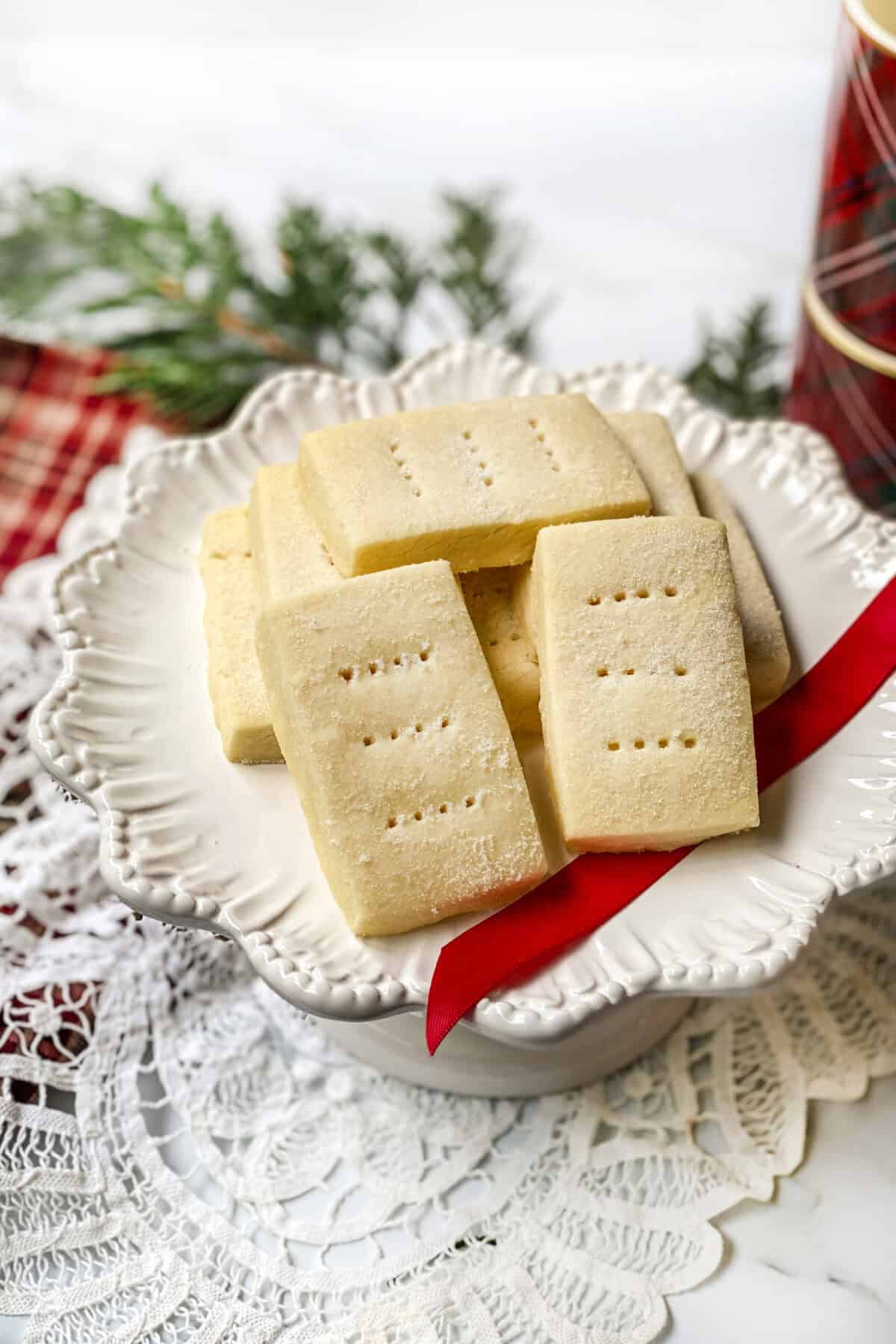
Buckingham Palace Shortbread Cookies, adapted from Royal pastry chef John Higgins, are a classic buttery treat once served at the palace. Crisp, tender, and melt-in-your-mouth rich, they're perfect for Christmas cookie trays or a proper afternoon tea.
If you enjoy baking recipes with royal roots, you may also love my Royal Bread and Butter Pudding recipe.
Recipe Overview
- Time: About 15 minutes prep, plus chilling time, and 12-15 minutes for baking.
- Inspired by: Royal pastry chef John Higgins, pastry chef at Buckingham Palace
- Texture: Crisp edges, buttery and tender inside
- Flavor: Rich, classic shortbread sweetness with melt-in-your-mouth crumb
- Occasions: Perfect for Christmas cookie trays, afternoon tea, gifting, or anytime you want a touch of royal tradition
Why I Love This Shortbread
There's something undeniably elegant about classic shortbread - buttery, tender, crisp-edged, and wonderfully simple. These Buckingham Palace Shortbread Cookies are inspired by the traditional British shortbread enjoyed at holidays, afternoon teas, and garden gatherings. They're made with only a handful of ingredients yet feel timeless, regal, and so special.
And readers agree. As Debra wrote, "This is definitely the best shortbread recipe! My cookies came out delicious and buttery." I couldn't agree more - this is the kind of recipe that becomes a tradition.
Whether you're baking for teatime, your Christmas cookie box, or a cozy afternoon at home, this is shortbread at its very best: melt-in-your-mouth, perfectly sweet, and delightfully simple.
Jump to:
Queen Elizabeth: A Royal Shortbread Connection

Queen Elizabeth was well known for her love of both afternoon tea and shortbread. We've even shared some of her favorite tea recipes. According to Royal pastry chef John Higgins, these shortbread cookies were among her favorites - he famously said: "Taste is king, even for a Queen."
Simple, elegant, and timeless, shortbread truly is a cookie for every occasion. Whether shaped as classic shortbread petticoat tails, festive Christmas cookies, or served at afternoon tea, this Buckingham Palace recipe deserves a special place at the table.
What Readers are Saying
⭐⭐⭐⭐⭐
"Ahhh Walkers - we've loved you dearly for many a year, but now I've finally found a recipe that tastes as good as you, only fresher. And I can make any shape that suits the occasion - even those cute Scottie dogs!"- GJH (Comments)
Key Ingredients
Scottish shortbread typically consists of three main ingredients. The royal recipe adds a 4th ingredient. The exact measurements are provided in the recipe card at the bottom of this post; however, here's a list of the necessary ingredients.
- All-purpose flour: Some shortbread recipes list bread flour but I'm using all-purpose here.
- Butter: I'm using salted butter. Add a pinch of salt if you're using unsalted butter. See the tips below for using European butter.
- Sugar: You can use granulated sugar or powdered sugar. Most royal recipes use powdered sugar.
- Cornstarch: This is the ingredient the royal recipe adds to typical Scottish shortbread. Cornstarch softens the shortbread, making it less glutinous. This shortbread is very soft and delicious.
How to Make Buckingham Palace Shortbread Cookies
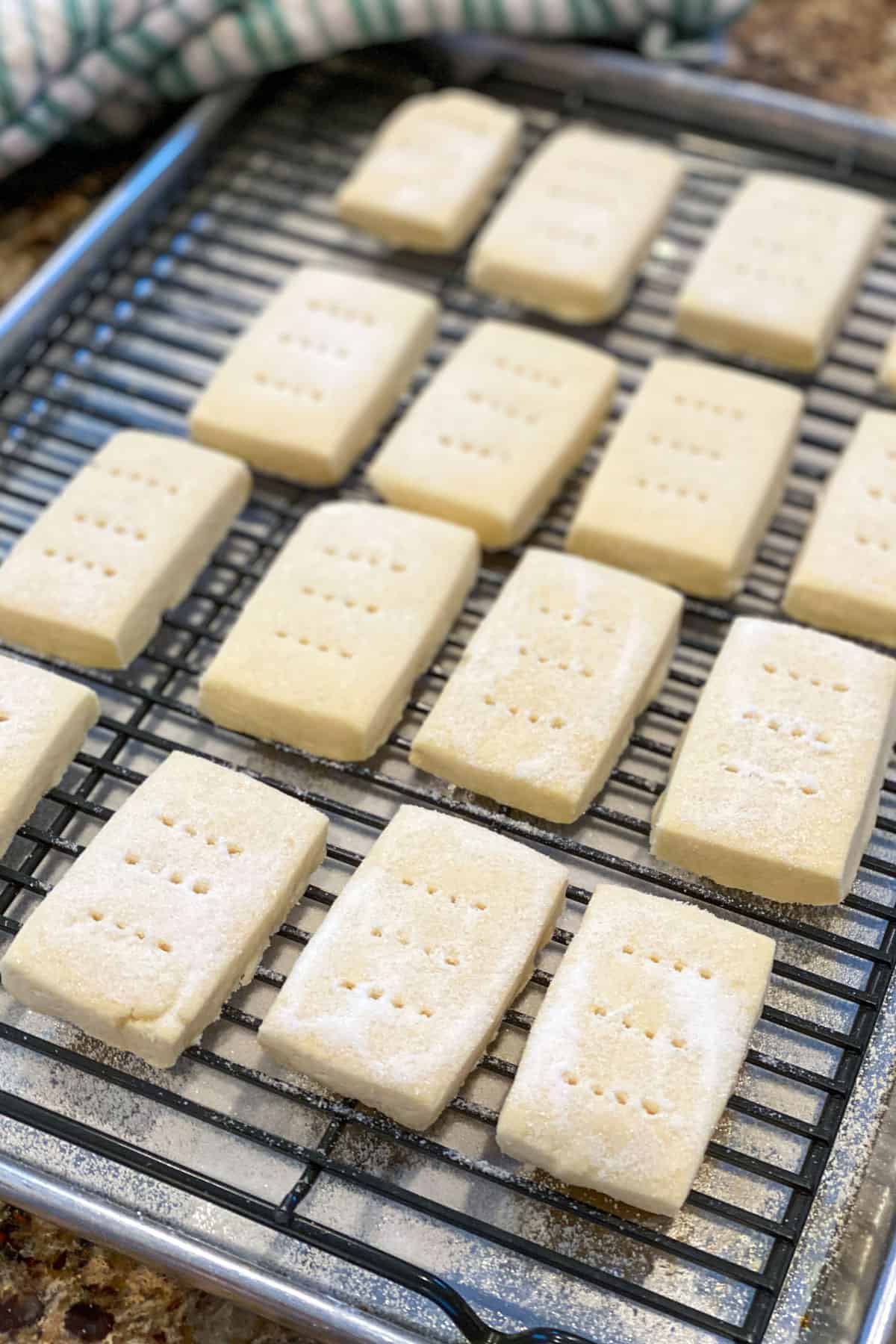
Begin by preheating the oven to 350°F (175°C).
- Sift the powdered sugar and cornstarch into a large bowl.
- Add butter, sugar, and salt - Beat until combined and resembles breadcrumbs.
- Transfer to a lightly floured surface - Knead gently to form a dough.
- Chill - Wrap dough and refrigerate 30 minutes.
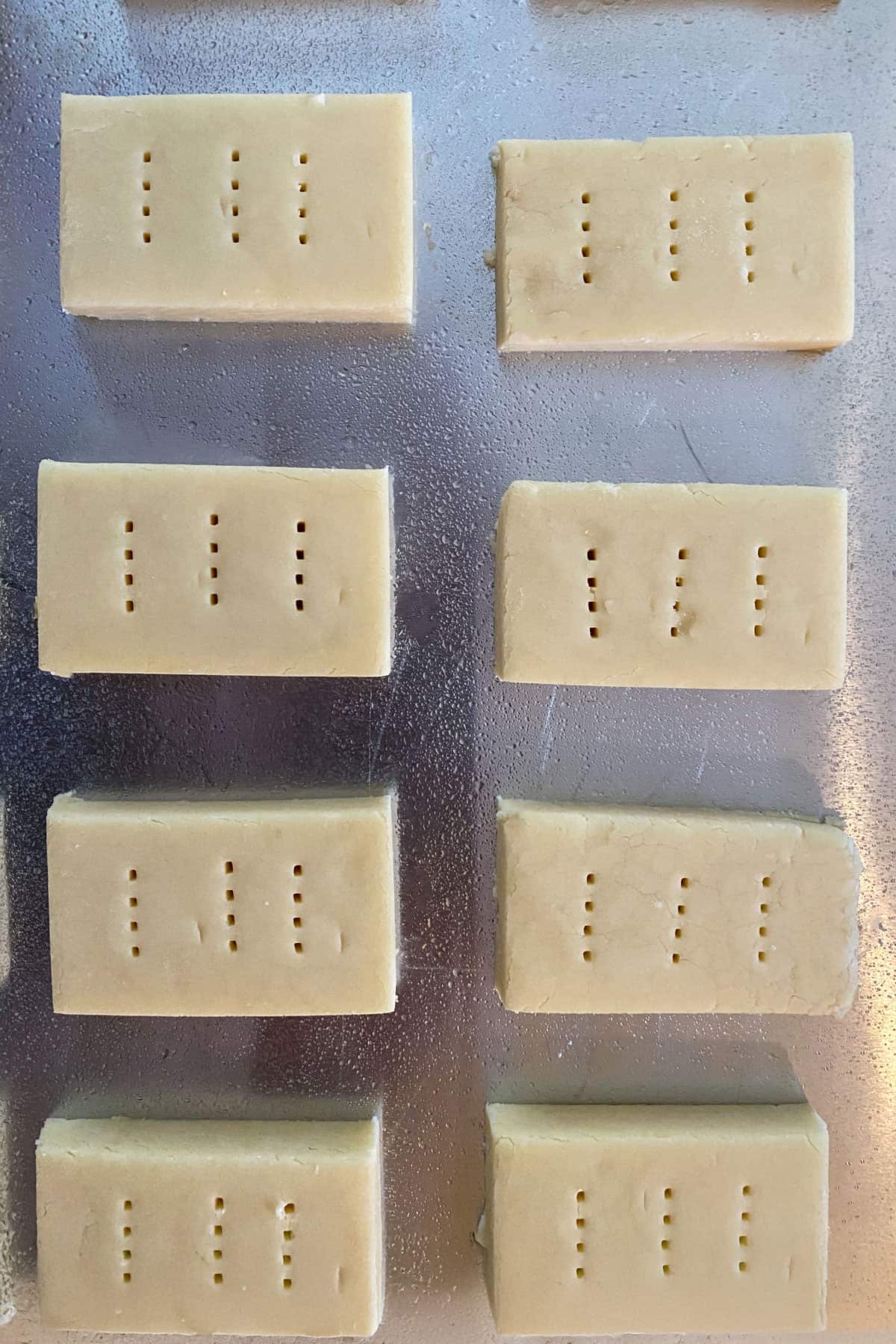
- Roll and cut - On a lightly floured surface, roll dough ½-inch thick and cut into finger shapes or circles. Using a fork, prick the surface.
- Bake - Place on a lightly greased or parchment-lined baking sheet, bake until edges are pale golden, 15-20 minutes, depending on the size of your shapes.
- Finish - Sprinkle with sanding sugar while warm. Cool completely before serving.
Recipe Testing Notes: These shortbread cookies were tested following Chef Higgins' original method. Rolled to about ½-inch thick, the dough measures roughly 11 x 6 inches and yields 16 traditional "finger" cookies. Each baked cookie measures approximately 2.75 x 1.5 inches - the perfect size for teatime or gifting.
Tips for Baking with European (High-Fat) Butter
Many bakers, including us, prefer the rich flavor of European-style butters like Plugrá, Kerrygold, or many local creamery brands, as they contain a higher percentage of butterfat. While this is wonderful for flavor, the added fat can cause your shortbread dough to spread more easily than a standard 80% butterfat stick.
To ensure your cookies hold their perfect shape when using high-fat butter:
- Refrigerate Completely: After mixing, chill the dough for at least 2 hours (or overnight). The dough must be very firm before rolling.
- Freeze Before Baking: After rolling the dough and cutting your shapes, place the cut cookies on the baking sheet and put them in the freezer for 10 to 15 minutes. This is the most crucial step; the frozen butter sets the edges quickly in the oven, preventing spread.
- Ensure Proper Oven Temperature: Bake the cold cookies immediately in a fully preheated oven to ensure they set quickly.
- Use Parchment Paper: Always line your baking sheet with parchment paper or a silicone mat. Never grease the pan, as this adds a slippery surface that encourages spreading.
Variations
- Classic Round Coins - Roll into a log, chill, and slice.
- Festive Shapes - Stars, hearts, Scottie dogs for occasions.
- Dipped Edges - After cooling, dip half into melted chocolate.
- Citrus Twist - Add zest of lemon or orange to dough.
Serving Ideas
Shortbread is a cookie that suits nearly every occasion - elegant enough for afternoon tea, yet simple enough for everyday treats. A few favorite ways to serve:
- Afternoon Tea: Pair with a pot of your favorite afternoon tea blends, or serve alongside teatime savories, Queen Elizabeth's favorite drop scones or dainty tea sandwiches. For other desserts, try this Royal inspired Victoria Sponge Cake or Queen Elizabeth's favorite Belgiuim Chocolate Cake recipe.
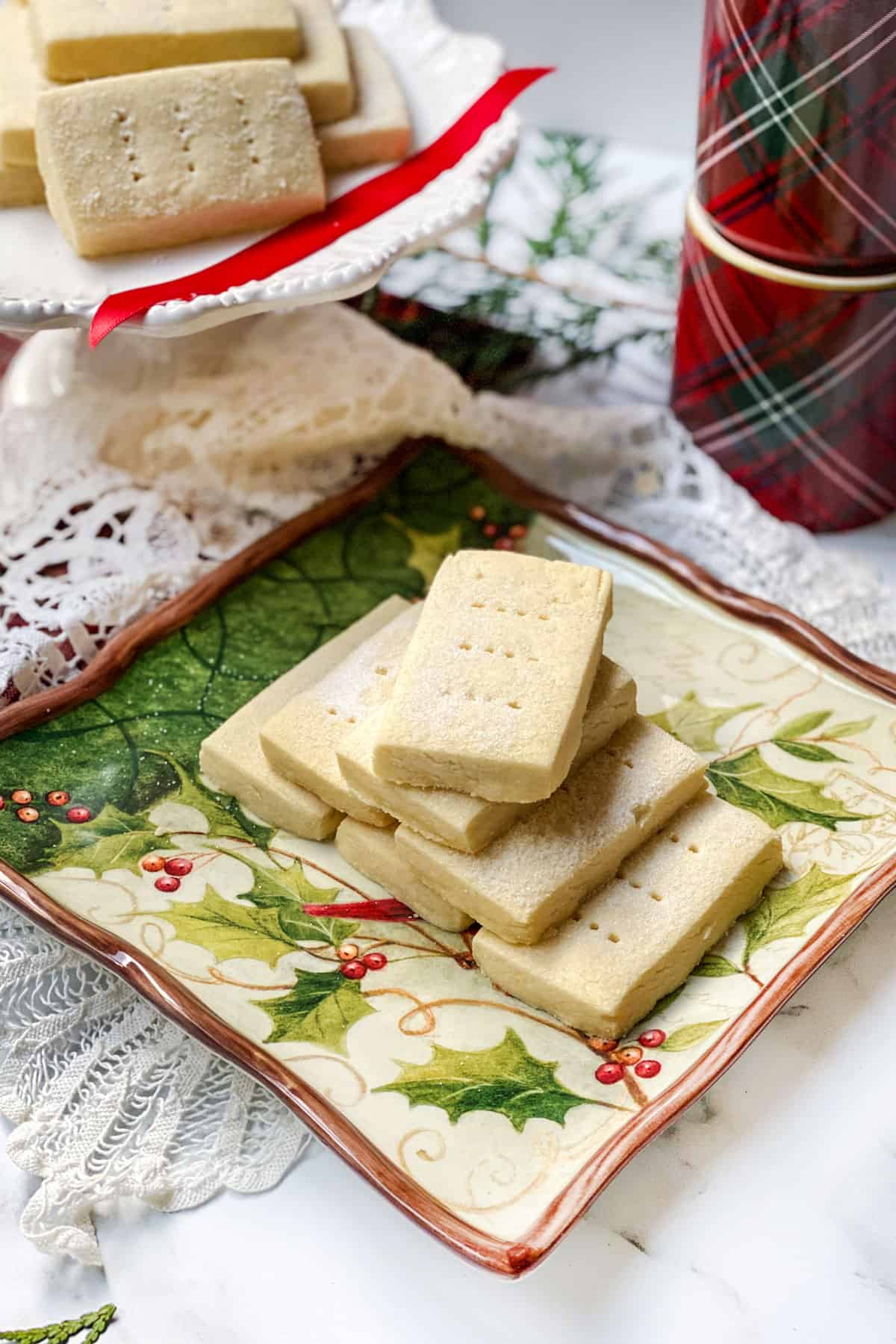
- Holiday Cookie Trays: Add to your holiday cookies collection for a buttery, traditional bite. Their pale golden color looks beautiful tucked among festive sweets.
- Gifting: Pack cooled cookies into a tin lined with parchment or tissue paper. A simple ribbon makes them a thoughtful, homemade gift.
- Everyday Treats: Enjoy with coffee, hot chocolate, or simply as a little indulgence at the end of the day.
Recipe FAQs
Yes! Queen Elizabeth was well known for her love of both afternoon tea and shortbread. Former Royal pastry chef John Higgins shared that shortbread was among her favorites, saying: "Taste is king, even for a Queen."
This recipe is inspired by Royal pastry chef John Higgins, who worked at Buckingham Palace. It's a simple, four-ingredient shortbread that's been enjoyed for generations.
While shortbread can be made in many shapes and styles, this version carries a royal connection. It's reputed to be a favorite at Buckingham Palace, making it a cookie with both history and tradition - perfect for afternoon tea or holiday gatherings.
If your cookies spread, the dough may have been too warm or the butter too soft. This is especially common when using European-style butters like Plugra or Kerrygold, which have higher butterfat. To prevent spreading, chill the dough thoroughly before baking and consider adding 1-2 tablespoons of extra flour.
Stored in an airtight tin, shortbread cookies keep for up to 2 weeks at room temperature. Their flavor often improves after a day. They also freeze beautifully - either baked cookies or raw dough - for up to 3 months.
Shortbread is perfect for afternoon tea, Christmas cookie trays, or simple snacks. For gifting, layer cooled cookies in a tin lined with parchment or tissue paper, and tie with a ribbon for a classic, elegant touch.
More Shortbread & Royal Recipe Ideas


If you try this recipe, I'd love to hear your comments and consider giving it a 5-star rating. Explore the recipe index for more easy, delicious ideas, and stay updated by subscribing to our newsletter and following us on Facebook, Pinterest, Instagram, and YouTube!
Want to save this recipe?
Enter your email, and we'll send it to your inbox. Plus, you'll get delicious new recipes from us every Friday!
Buckingham Palace Shortbread Cookies
Equipment
Ingredients
- 1 cup butter softened
- 1 cup powdered sugar sifted (or icing sugar)
- ½ cup cornstarch sifted
- 2 cups all-purpose flour sifted
- 1 teaspoon salt
- granulated sugar for dusting

Instructions
- Preheat the oven to 350 degrees and lightly coat a baking sheet with nonstick spray.
- Sift the powdered sugar and cornstarch into a medium bowl or the stand mixer along with the softened butter. Mix until the butter begins to break up.
- Add the flour and mix together until a dough-like consistency forms.
- Roll out the dough to a ½ inch thickness. Mine measured 11 inches by 6 inches. Cut into fingers or circles. Dock with a fork if you like for that trademark shortbread marking.
- Transfer the cut cookies to the prepared baking pan. Bake for 10 to 15 minutes or until golden in color.
- Remove from the oven, transfer to a cooling rack and sprinkle with granulated sugar.
Video
Notes
- European-style butters like Plugra, Kerrygold, or Président have a higher butterfat content than standard American butter. This gives the cookies a wonderfully rich flavor but can also make the dough softer and more prone to spreading. To help, chill the dough well before rolling and baking, or add 1-2 tablespoons of flour. You can also reduce the butter slightly (14 tablespoon instead of 16) for a sturdier dough - without losing that buttery flavor.
- Chill the dough: Refrigerate at least 30 minutes before rolling, and again after cutting shapes if the dough softens. Cold dough helps cookies hold their shape.
- Baking tip: Shortbread should be pale, not golden brown. Remove from the oven as soon as the edges begin to turn lightly golden.
- Cutting shapes: Reroll scraps gently to keep cookies tender. For the neatest edges, use sharp cutters and press straight down without twisting.
- Storage: Store cooled cookies in a tin or airtight container at room temperature for up to 2 weeks. Their flavor actually deepens after a day or two. They also freeze well for up to 3 months.
- Perfect for gifting: These cookies hold up beautifully when packed in tins or gift boxes and are a festive choice for Christmas cookie exchanges or holiday giving.
Nutritional information is only an estimate. The accuracy of the nutritional information for any recipe on this site is not guaranteed.
These were so buttery and delicious! They weren't difficult to make either, and we enjoyed sharing them with friends and family.
Thank you for trying the shortbread, Sonja! These are my favorites too and are often on our cookie trays too. They make a great story as well.
Hi! Just wondering if you ever press and bake them in a jelly roll pan. If so what temperature and how long?
Hi Janice— I’ve not baked this particular recipe in a jelly roll pan, but I do regularly bake my Scottish shortbread recipe (also on the site) in various shapes and sizes. I will add this to my testing schedule. I believe that baking this shortbread in a 300F oven for 20-30 minutes should be about right.
Thank you for the extra suggestions. I did put the cookies in the freezer before cooking, but of impatience I had softened my butter in the microwave, so it was very soft when I mixed it in, and warm : (
Lesson learned, and many thanks for a solution to keeping the flavor and the shape.
You're welcome! I've had the same experience with butter so many times too.
Ahhh Walkers - we've loved you dearly for many a year, but now . . . I've finally found a recipe that tastes as good as you but is always fresh - I never have to risk a stale packge again, and I can make any shape that suits me for the occasion (even those cute little Scottie dogs.) I wish you a fond farewell, and thanks for filling in until this recipe came along. : )
The only question I have - my dough was incredibly soft. I had to refrigerate it and still the cookies spread (I reused my cutter on them after they came out of the oven.) Could it be because I used Plugra, which is higher in butterfat? If so, is there a way to keep that flavor but make a firmer dough?
Thank you for sharing this!
That is one of the best comments I've ever received! Thank you for sharing such a lovely note—it absolutely made my day! As did the thought of making cute Scottie dogs!
You are 100% correct about your dough spreading: Plugrá is the likely culprit! European-style butter has a higher butterfat content (around 82% vs. 80% in American butter). While this gives your cookies a richer, more buttery flavor, that extra fat melts faster and causes the dough to soften and spread more easily.
To keep that wonderful flavor but achieve a firmer, non-spreading dough, try these two steps next time:
Chill, Then Freeze: After you cut out your shapes, place the cookies on the baking sheet and stick them in the freezer for 10–15 minutes before baking. This ensures the high-fat butter is rock-hard when it hits the oven, giving the flour time to set the cookie's shape before the butter melts.
Use Cooler Butter: Ensure your butter is on the cool side of "softened" (around 65°F / 18°C). If it is too warm when you cream it, the dough will be softer and incorporate too much air, which also encourages spreading.
Hi! Is the powdered sugar and flour measured first then sifted or sifted then measured? Thanks so much!
Hi Sally, these are so fun to make. I always sift and then measure. That being said, I've heard from several that they did not sift the ingredients, only scooped and measured and they turned out great.
Absolutely correct. Cornstarch measurement is 1/2 cup.
Did you bake them on a rack as pictured?
Hi Karen, bake them on a sheet pan. I like to cool them on the rack and also give them another sprinkling of sugar.
This is definitely the best shortbread Recipe! My cookies came out delicious and buttery.
You made my day -- thank you! I'm so glad you liked it. The recipe is one of my favorites too!
Hi Paul -- it should be 1/2 cup or 4 ounces. I've corrected the ingredient. Thanks for alerting me!!
Made these earlier this week and loved them! They were literally gone in a day. So fun to make the same recipe the Queen requests! Thanks!