
Classic Scottish Shortbread for your Christmas Cookie Tray
This post may contain affiliate links. Please read our disclosure policy.

The Christmas cookie tray isn't complete without a Classic Scottish Shortbread cookie - a simple, buttery biscuit that has stood the test of time.
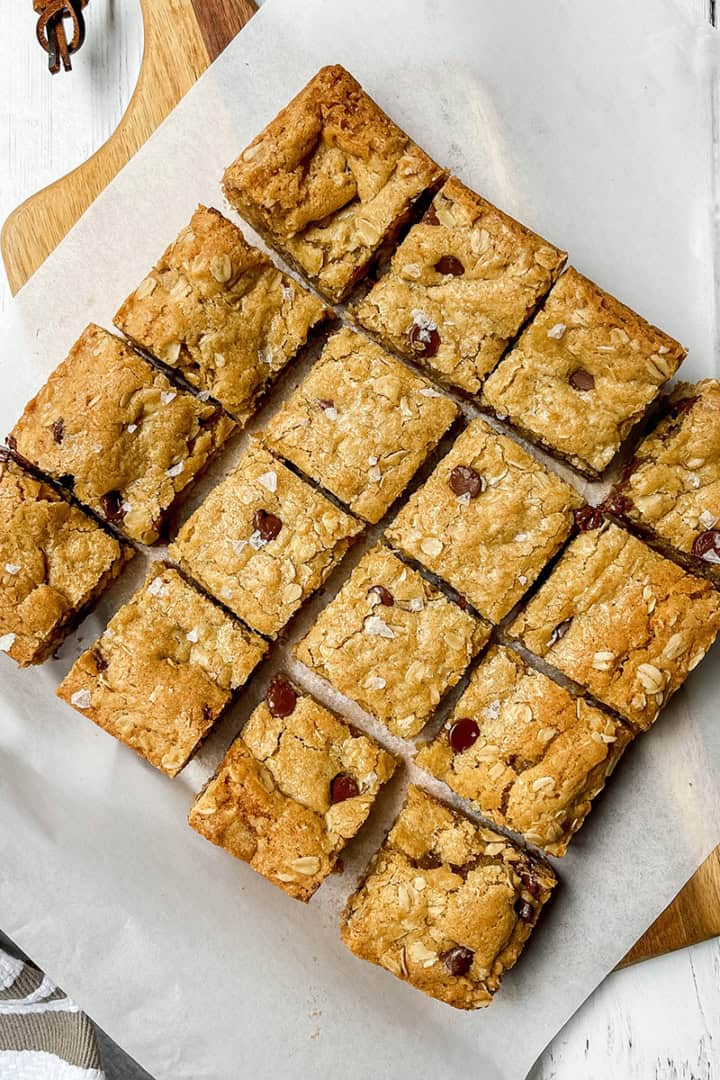
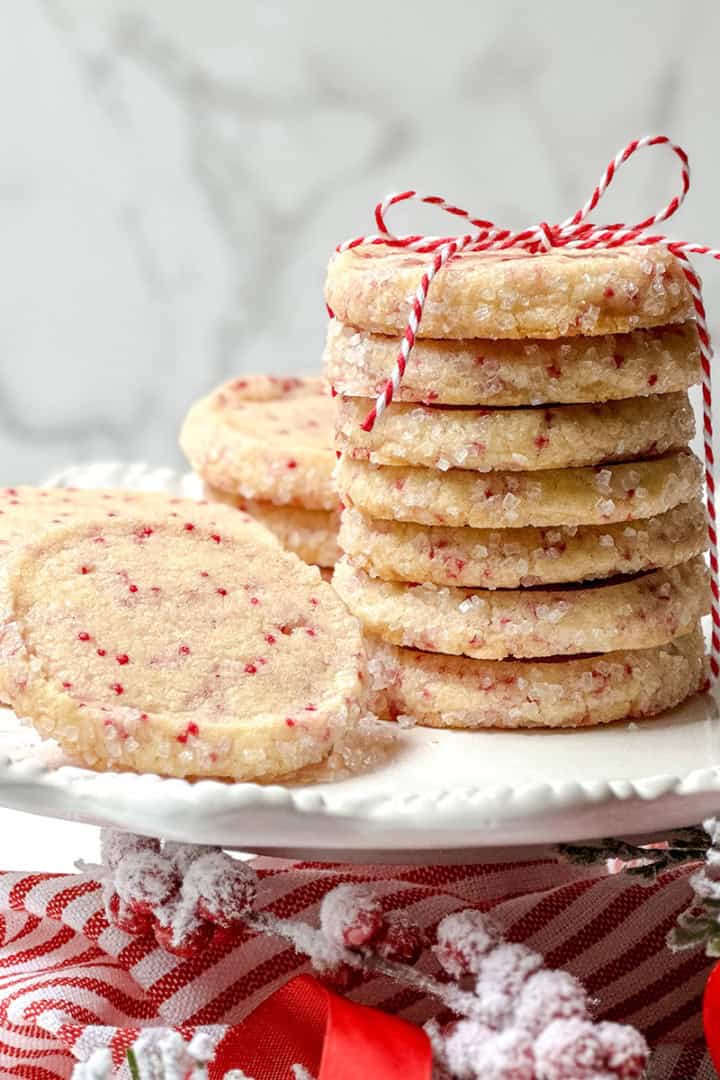
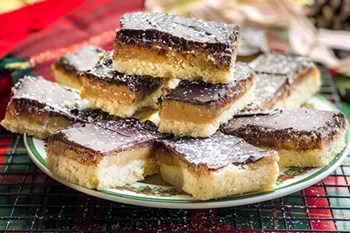
If you love shortbread as much as we do, try these Buckingham Palace Shortbread Cookies or these delicious Scottish Millionaire Shortbread.

What I Love About This Shortbread
A simple and even "humble" biscuit can be the purest form of classic sweetness. Classic Scottish Shortbread is a staple in our home during the holidays. It's always at the top of my family's Christmas cookie wish list.
Scottish Shortbread History
Once considered a festive treat at Christmas, the Scots now love their shortbread year-round. "The first shortbread recipe appeared in a Scottish cookbook dated 1736; early formulas called for yeast, but by 1850 most were utilizing only butter, flour, and sugar, combined in a ratio bakers still use."
Traditionally, shortbread is made with just three ingredients - butter, sugar, and flour - often described by a simple 1-2-3 ratio used by bakers for generations.
Mildly sweet, melt-in-your-mouth flaky, easy to make, improves as it ages -- a welcome accompaniment to any cookie tray, but for me, it's absolutely perfect with a cup of tea.
If you love shortbread as much as we do... you're in good company. Queen Victoria also loved shortbread and is said to have preferred it seasoned with salt.
Ingredients
- Unsalted butter - The foundation of classic shortbread; rich, buttery flavor is essential.
- Sugar - Superfine (caster) sugar is traditional and creates a delicate crumb, though granulated sugar works well too.
- Vanilla extract - Not strictly traditional, but a subtle addition that enhances the buttery sweetness.
- Salt - Just enough to balance the richness and bring out the flavor.
- All-purpose flour - Provides structure while keeping the shortbread tender and crumbly.
About the Traditional 1-2-3 Shortbread Ratio
Traditional Scottish shortbread is often described by a simple 1-2-3 ratio - 1 part sugar, 2 parts butter, and 3 parts flour - measured by weight, not volume.
This recipe uses familiar U.S. cup measurements that closely reflect that classic balance while producing a tender, buttery shortbread that readers have loved for years. The result stays true to tradition while remaining approachable and reliable for home bakers.
How to Make Classic Scottish Shortbread
There are several ways to make this Scottish Shortbread recipe. The dough fits easily into a 13" x 9" baking pan, which I score before baking. It's also perfect for using shortbread molds, which I often make in a snowflake mold.
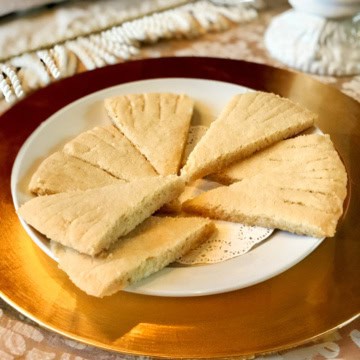
Or, I also love to shape the shortbread into petticoat tails, which are rounded discs with crimped or lined edges. But no matter how you shape them, they are a treat everyone will love.
Step 1: Make the Dough
Preheat the oven to 275°F and spray your baking pan with nonstick cooking spray or line it with parchment paper, which is my preferred method.
Cream the butter in a stand mixer until light and fluffy, about 3 minutes. Add the sugar and continue creaming until it is completely incorporated, then add salt and vanilla and stir to combine.
Stir in the flour to the butter mixture, and the dough comes together and is just combined.
Step 2: Shape the Dough
Press dough into a prepared pan, mold, or shape on a parchment-lined baking sheet. See notes below on shaping.
Step 3: Bake the Shortbread Cookies
Bake shortbread in a 275° oven for 60 - 75 minutes or until evenly pale golden. Cool completely. Use a serrated knife to cut.
Shaping the Shortbread
9x13-inch Pan: Score the dough lengthwise into 9 strips and then cut crosswise into 36, 3-inch strips. Use the tines of a fork to create a perforated pattern. Sprinkle with sanding sugar if desired.
Round Petticoat Trails on a Sheet Pan: Divide the dough in half and shape into circle shapes. Smooth the top, and round the edges. Then, crimp the edges with your fingers or score them with a sharp knife.
Recipe FAQs
Yes. Traditionally, shortbread follows a 1-2-3 ratio by weight (1 part sugar, 2 parts butter, 3 parts flour). This recipe uses cup measurements that closely mirror that classic structure while ensuring consistent, reliable results for home bakers.
Classic shortbread is often made with just butter, sugar, and flour. Vanilla isn't traditional, but a small amount adds warmth and enhances the buttery flavor without overpowering the cookie.
Shortbread is traditionally baked low and slow to gently dry the dough without browning, resulting in its signature pale color and delicate, crumbly texture.
More Popular Cookie Recipes to Try:
- Giant and Soft Ginger-Spice Cookies
- Buckingham Palace Shortbread Cookies
- Cranberry Orange Pecan Oatmeal Cookies
- Favorite Sugar Cookie Cutouts Recipe
- Espresso Double Chocolate Chip Cookies
- Worldwide Christmas Cookies


If you try this recipe, I'd love to hear your comments and consider giving it a 5-star rating. Explore the recipe index for more easy, delicious ideas, and stay updated by subscribing to our newsletter and following us on Facebook, Pinterest, Instagram, and YouTube!
Want to save this recipe?
Enter your email, and we'll send it to your inbox. Plus, you'll get delicious new recipes from us every Friday!
A Classic Scottish Shortbread
Equipment
Ingredients
- 1 ⅓ cup butter 2 sticks plus 6 tablespoons, softened
- 1 cup sugar superfine is best but granulated works too
- 1 teaspoon vanilla
- ¾ teaspoon salt
- 3 ⅓ cup all-purpose flour

Instructions
- There are several ways to make this Scottish Shortbread recipe. The dough fits easily into a 13" x 9" baking pan, which I score before baking. It's also perfect for shortbread molds, like my Snowflake Shortbread Cookies. But it also works well shaped into petticoat tails, which are rounded discs with crimped or lined edges. But anyway you shape them, they are a treat everyone will love.
- To make the dough: Preheat the oven to 275°F and spray your baking pan with nonstick cooking spray or line with parchment paper, which is my preferred method.
- Cream the butter in a stand mixer until it is light and fluffy -- about 3 minutes. Add sugar and continue to cream until the sugar is completely incorporated. Add salt and vanilla and stir to combine.
- Add the flour to the butter mixture and the dough comes together and is just combined. Press dough into prepared pan, mold, or shape on a parchment-lined baking sheet.
- 9x13-inch Pan: If you are using a 9x13-inch pan, score the dough lengthwise into 9 strips and then cut crosswise into 36, 3-inch strips. Use the tins of a fork to create a perforated pattern. Sprinkle with sanding sugar if desired.
- Round Petticoat Trails on a Sheet Pan: If you're shaping the shortbread into discs, divide the dough in half. Shape each half into a circular disc, smooth the top and round the edges. And then either crimp the edges with your fingers or score them with a sharp knife.
- Bake: Bake shortbread in a 275° oven for 60 - 75 minutes or until evenly pale golden. Cool completely. Use a serrated knife to cut.
Notes
- Traditional Ratio: Classic Scottish shortbread is often described by a 1-2-3 ratio - 1 part sugar, 2 parts butter, and 3 parts flour - measured by weight. This recipe uses familiar U.S. cup measurements that closely reflect the traditional balance while producing reliable, buttery results.
- Sugar Choice: Superfine (caster) sugar is traditional and creates a delicate, tender crumb. Granulated sugar works well too and is more commonly available in U.S. kitchens.
- Vanilla: Vanilla extract isn't strictly traditional, but a small amount adds warmth and enhances the buttery flavor without overpowering the shortbread.
- Low and Slow Baking: Shortbread is baked at a low temperature to gently dry the dough rather than brown it. The cookies should remain pale with just a hint of golden color.
- Shaping Options: This dough works well pressed into a 9×13-inch pan, shaped into round petticoat tails, or baked in shortbread molds. Baking times may vary slightly depending on thickness and shape.
- Make Ahead & Storage: Shortbread improves with age. Store in an airtight container at room temperature for up to one week, or freeze baked shortbread for up to 3 months.
Nutritional information is only an estimate. The accuracy of the nutritional information for any recipe on this site is not guaranteed.
I have a recipe for “Traditional “ Scottish Shortbread which supposedly came from a friend’s Scottish grandmother who still lives in Scotland. This recipe uses brown sugar, and the resulting cookies taste exactly like those from a Scottish bakery here. I think the traditional recipes mean “the ones my family eats because grandma made them.” 😊 Thanks for your recipe. It’s very good, too. I’ll probably use both recipes.
Hi Pat! Thank you for that chuckle! I think you are absolutely right. It's one of the things I love about family recipes 😍
Traditional Scottish shortbread has only 3 ingredients, flour, butter and sugar. Adding vanilla, or anything else for that matter, turns it into something completely different.
So true Suzi
So glad I decided to try this delicious recipe! Followed the recipe except I used almond. We love it!
Hi Beckie! That's awesome that it worked so well with almond flour. I'd not tried it that way but am thrilled they worked. Thank you for sharing it with us!
Thanks!
Should you use salted or un-salted Butter??
Hi Donna, I prefer unsalted butter as there is salt added in the recipe.
Should you use salted or un-salted Butter??
This is very crumbly. It’s in the oven now and I’ve got my fingers crossed that it won’t be when I cut it. Not sure if the butter should be salted or not.
Bev
Under the heading “Prepare baking pan” the only preparation appears to be choosing one. Should the pan be greased?
Hi Donna! Thanks for your comment. My preferred method for preparing the pan is to line it with parchment paper. For molds and sometimes when I make it in a 13 x 9-inch pan, I will very lightly spray with nonstick cooking spray. I've also updated the recipe card to be more clear. Thanks again for the question!
What temperature do you cook the shortbread at?
I bake it in a cool oven for a longer period of time to achieve that flaky texture we love! Bake in a preheated 275-degree oven for 70 - 85 minutes or until it is pale golden.
My neighbor from Scotland bakes it in a cast iron pan. Is that OK, and do I need to change the bake time?
Absolutely! You will need to adjust the ingredients slightly and the cooking time. Essentially you're going to cut the recipe in half to make one 10-inch skillet recipe. I'm going to update the post with this option because I like to make it this way too.
Ingredients:
1 cup all-purpose flour
1/2 teaspoon salt
12 cup unsalted butter (1 stick), softened
1/2 cup superfine sugar (or granulated or confectioners sugar)
1/2 teaspoon vanilla extract
Preheat the oven to 300 degrees F and very lightly butter a 10-inch cast-iron skillet. Cream together the butter, sugar, and vanilla until the dough is smooth and light. Add the flour and salt, and mix until combined. The dough will be stiff.
Press into the skillet. Using a rubber spatula, smooth the top of the dough. Then with a fork, prick the dough in 1-inch intervals.
Bake for about 35 minutes, or until the top is lightly golden and darker around the edges. Remove immediately from the pan and using a sharp knife, cut into wedges.