
Hot Cross Buns (Easy & Traditional Easter Recipe)



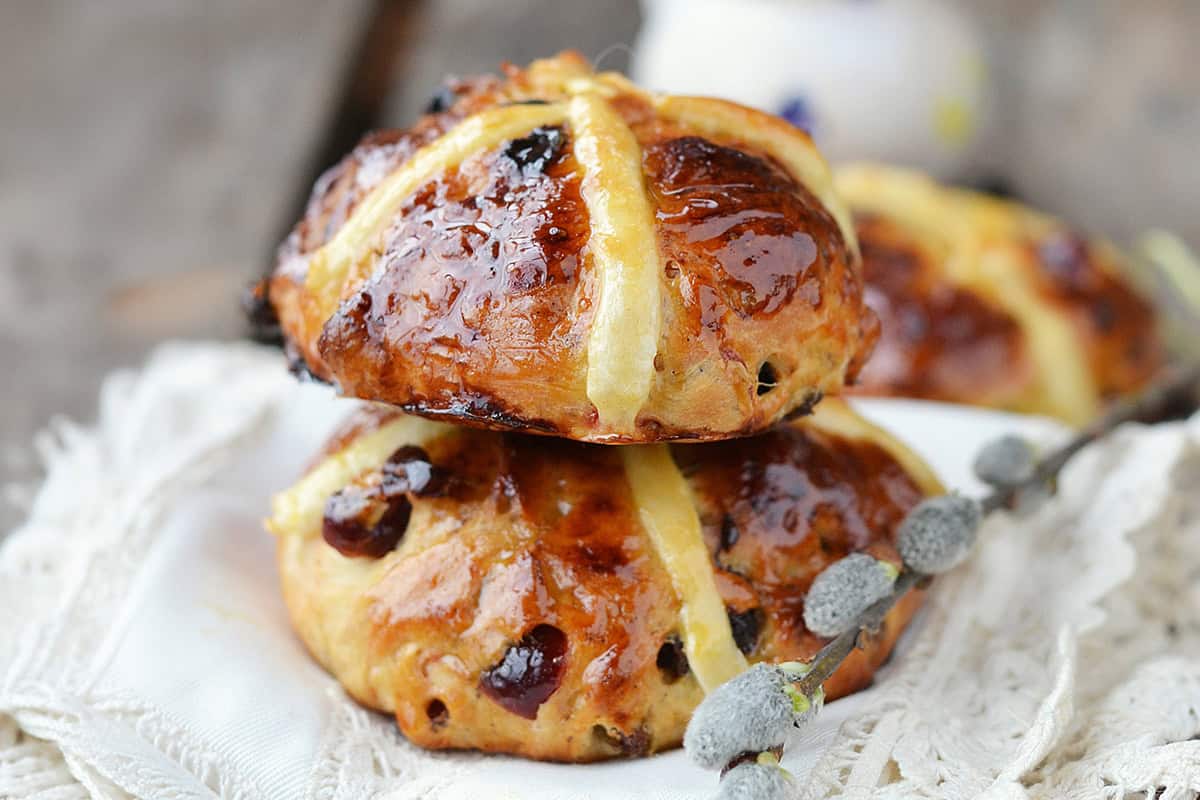
Easter Hot Cross Buns: When I think of Easter and the foods we serve, a few favorites immediately come to mind-and hot cross buns are always at the top of the list.
You'll find versions of these traditional Easter buns across cultures-alongside breads like Paska, Babka, and other beloved holiday loaves.
This post may contain affiliate links. Please read our disclosure policy.
Want to save this recipe?
Enter your email, and we'll send it to your inbox. Plus, you'll get delicious new recipes from us every Friday!
Hot cross buns are one of those recipes that feel woven into the rhythm of the holiday. Alongside the ham, spring vegetables, and a few sweet treats, they're a tradition that always finds its place on the table.
If you're planning your Easter menu, they pair beautifully with dishes like this fruited rice pilaf and other seasonal favorites. Alongside the ham, spring vegetables, and a few sweet treats-like a classic coconut cake or something chocolate for the table-hot cross buns are a tradition that always finds its place.
Jump to:
- History of Hot Cross Buns
- The Forbidden Bun: A Tudor Mystery
- An Ancient Cross (From the Ashes of Herculaneum)
- Ingredients You Will Need:
- How to Make Hot Cross Buns
- Two Ways to Make the Cross in Hot Cross Buns
- Variations
- The "Make-Ahead" Guide: Freezing for Best Quality
- How to Reheat Hot Cross Buns in the Air Fryer
- Recipe FAQs
- Easter Hot Cross Buns
- More Easter Bread Recipes
- Comments
History of Hot Cross Buns
While the exact origins of hot cross buns are unclear, it is generally agreed that they go back to a 12th-century Anglican monk who baked sweet buns for the poor on Good Friday and etched a cross in each bun to celebrate the Easter holiday.
Today, these buns remain one of the most recognizable Easter bread traditions, much like other holiday loaves enjoyed around the world.

The first definite record of hot cross buns, however, comes from a 16th and 17th-century text stating:
"Good Friday comes this month, the old woman runs,
with one or two a penny hot cross buns."
The Forbidden Bun: A Tudor Mystery
In 1592, the air in London would have smelled of spice and rebellion. Queen Elizabeth I, fearing "supernatural" powers attributed to these buns, issued a royal decree: sweet, spiced buns were far too sacred for everyday consumption. They were legally restricted to just three occasions: Good Friday, Christmas, and burials.
But as we know, a decree rarely stops a hungry heart. Londoners simply moved their baking to the privacy of their own kitchens. If caught, they were forced to forfeit their "illegal" buns to the poor-a penalty that somehow makes the tradition feel even more tied to the spirit of giving.
Centuries later, Queen Elizabeth I limited the sale of sweet buns to 3 specific occasions. The reason, Smithsonian Magazines says, "They're too sacred to eat any old day."
An Ancient Cross (From the Ashes of Herculaneum)
While the 12th-century monk at St. Albans is often credited with the "first" hot cross bun, the history may go back much further. When archaeologists excavated Herculaneum (buried by Vesuvius in 79 C.E.), they discovered something remarkable: small, petrified loaves of bread marked with a distinct cross. Whether it was a baker's mark or a deeper symbol of the seasons, it proves that for over 2,000 years, we have been breaking bread marked with this ancient sign.

Ingredients You Will Need:
Ingredient measurements are in the recipe card below, but here is a quick list of what you will need to make my version of these sweet treats:
- All-purpose flour (or bread flour): Provides structure for the buns. Bread flour will yield a slightly chewier texture, while all-purpose keeps them soft and tender.
- Instant yeast: Helps the dough rise quickly and reliably. You can also use active dry yeast-just proof it first in warm liquid.
- Milk (whole milk preferred): Adds richness and creates a soft, tender crumb. Whole milk gives the best flavor and texture.
- Granulated sugar: Sweetens the dough and helps activate the yeast for a better rise.
- Butter (melted): Adds richness and flavor while keeping the buns soft and moist.
- Warm spices (cinnamon, allspice, nutmeg) + citrus zest: The signature flavor of hot cross buns-warm, fragrant, and perfectly suited for Easter. Orange zest adds brightness, but lemon works beautifully too.
- Egg: Enriches the dough, adding structure, tenderness, and color.
- Dried fruit (currants or raisins): Classic in hot cross buns, adding little bursts of sweetness throughout. Currants are traditional, but raisins are more widely available and just as delicious-especially in other classic bakes like this Irish Barmbrack tea bread.
How to Make Hot Cross Buns
Full step-by-step instructions are in the recipe card below, but this will give you a quick overview of how to make these buns.
Step 1: Activate the yeast
In a large bowl or stand mixer, dissolve the yeast in warm water. Stir in the warm milk, melted butter, sugar, and salt. Let sit for a minute or two until slightly foamy.
Step 2: Make the dough
Add the flour, spices, egg, dried fruit, and citrus zest. Mix until a soft dough forms and begins to pull away from the sides of the bowl.
Step 3: Knead the dough
Knead until smooth and elastic-about 3-4 minutes in a mixer or 5-7 minutes by hand. The dough should feel soft and slightly tacky, but not sticky.
Step 4: First rise
Place the dough in a lightly greased bowl, cover, and let rise in a warm place until doubled in size, about 1 hour.
Step 5: Shape the buns
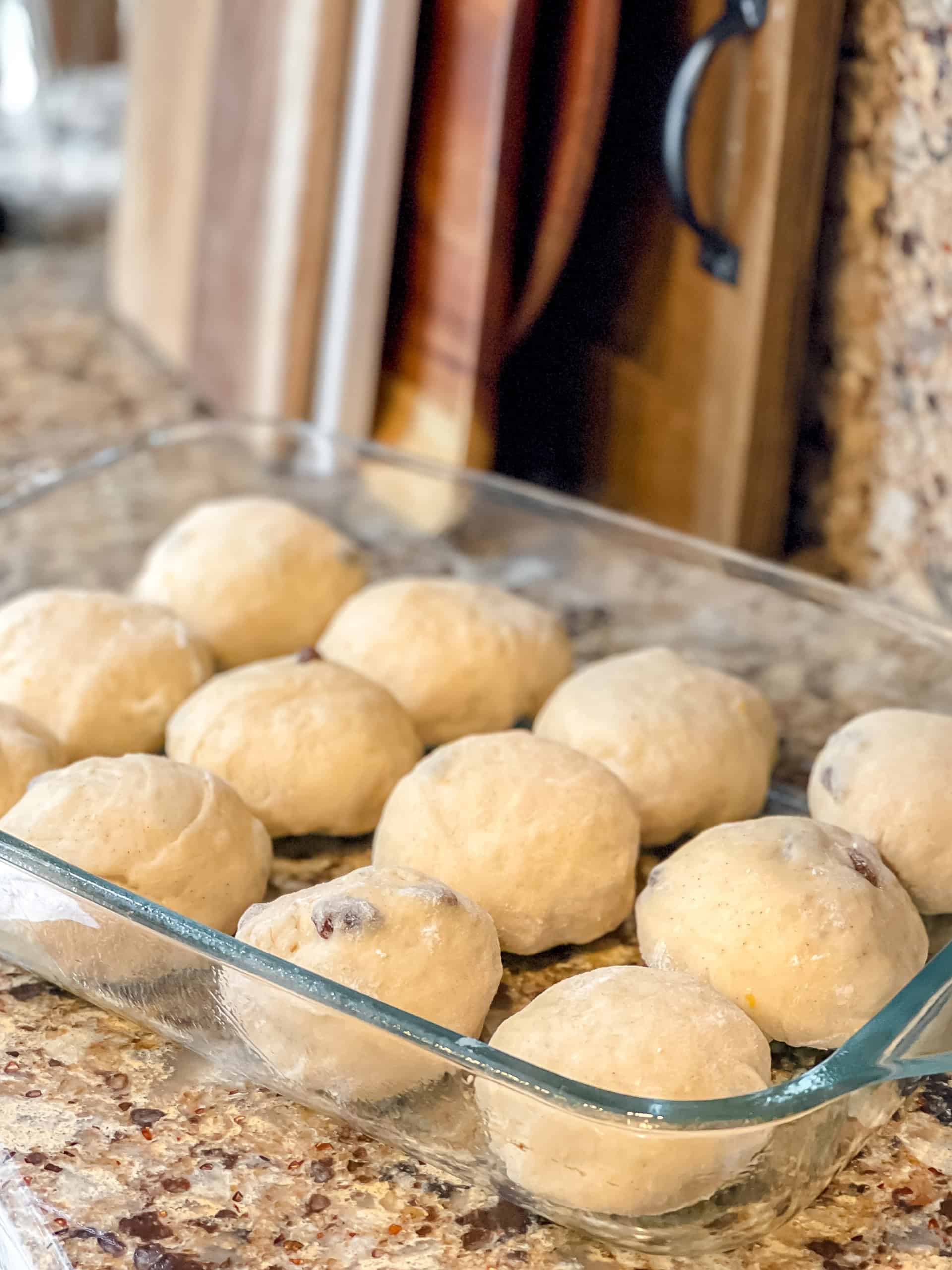
Turn the dough onto a lightly floured surface and divide into 12 equal portions. Shape each into a smooth ball and place in a greased 9×13-inch pan.
Cover and let rise again until puffy and nearly doubled, about 45-60 minutes.
👉 At this stage, the buns should be touching slightly and look airy.
Step 6: Add the cross and bake
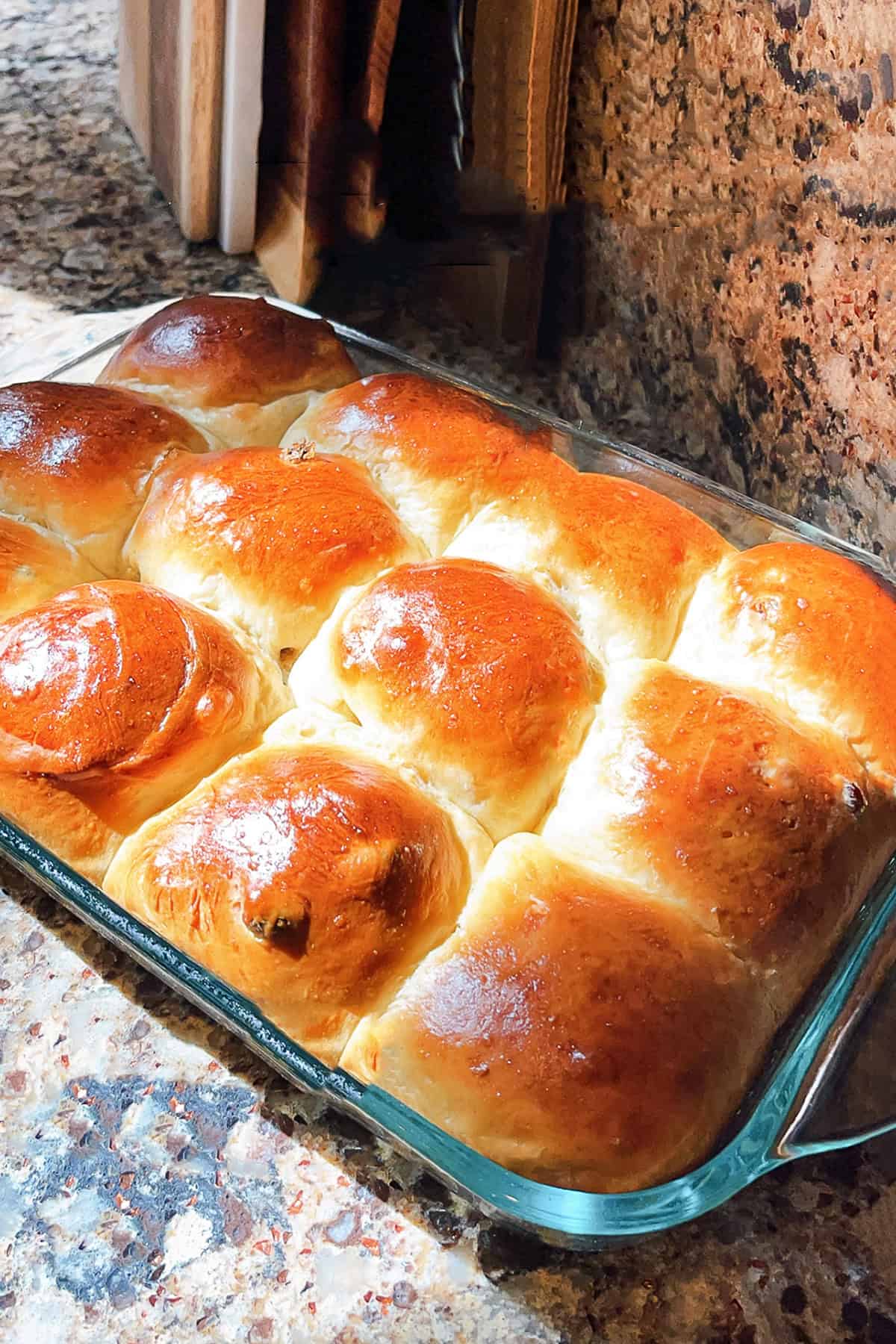
If using pastry crosses, pipe them now onto the tops of the buns before baking at 350°F for 22-25 minutes, or until deeply golden. While the buns are baking, make the glaze. Remove the buns from the oven, transfer to a cooling rack, and brush the glaze over warm rolls and let cool.
Two Ways to Make the Cross in Hot Cross Buns
The distinctive cross on hot cross buns can be made in two ways.
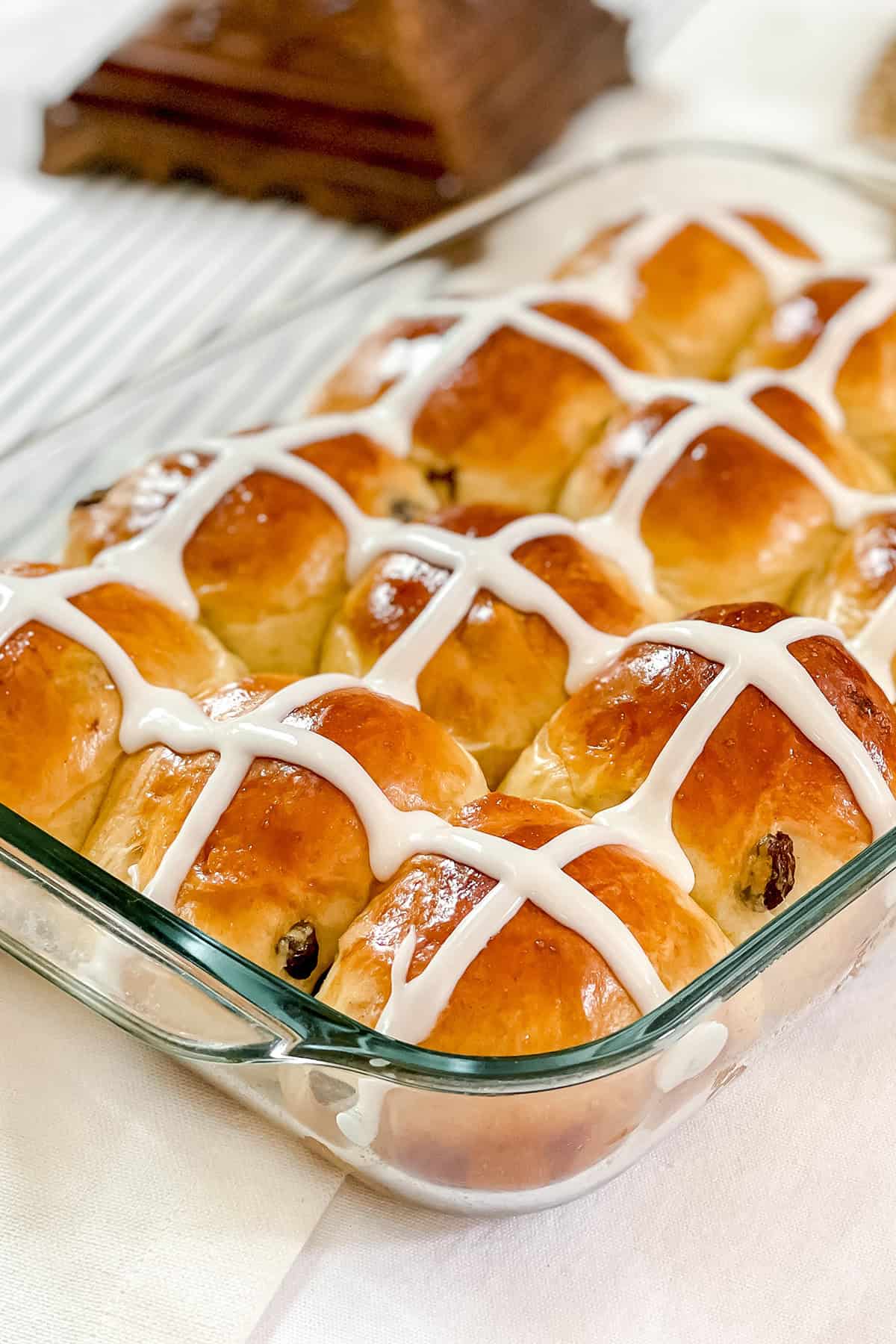
- 1. Icing: This is the easiest of the two crosses. A piped cross can be added after the buns are baked by making a simple icing.
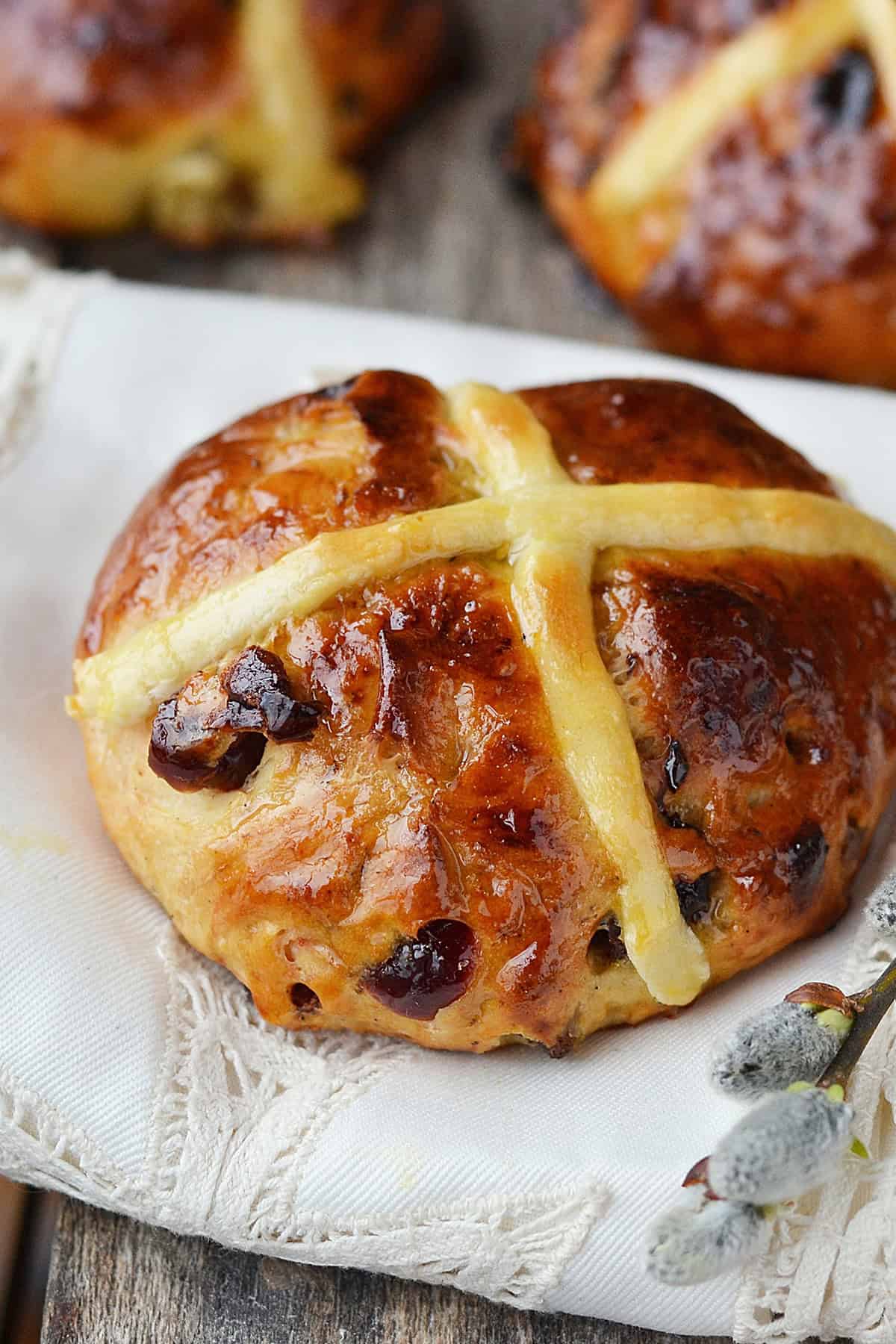
- 2. Pastry: Mix flour and water into a thick but runny paste. Then pipe crosses onto the tops of the buns using a piping bag or a small baggie with the corner snipped off. Then, bake as directed.
Variations
Hot cross buns have been made in countless ways over the years, with small changes that reflect local ingredients, family traditions, and personal taste. Here are a few simple ways to make this recipe your own:
Dried Fruit Options
Currants are traditional, but raisins are more widely available and work beautifully. You can also use chopped dried apricots, golden raisins, dried cranberries, or a combination for added color and flavor. For a softer texture, soak the fruit in warm water (or even tea) for 10-15 minutes, then drain well before adding to the dough.
Citrus Variations
Orange zest adds a bright, classic flavor, but lemon zest brings a lighter, slightly sharper note. You can also combine both for a more layered citrus profile. A splash of orange blossom water is a lovely, subtle addition if you have it on hand.
Warm Spices
Cinnamon, allspice, and nutmeg create the familiar flavor of hot cross buns, but you can gently adjust the blend to your liking. A pinch of ground cloves adds depth, while ground cardamom brings a delicate, aromatic warmth that pairs especially well with citrus.
A Touch of Sweetness
For a slightly richer flavor, replace a portion of the sugar with honey or maple syrup. This adds a soft depth without overpowering the traditional taste.
Glaze & Finish
For a glossy finish, brush the warm buns with a simple sugar glaze after baking. Or keep them classic with icing crosses-or both, for a slightly sweeter finish.
The "Make-Ahead" Guide: Freezing for Best Quality
Here are two foolproof methods for making hot cross buns ahead of time for the holidays.
Method 1: Freeze After Shaping (The "Fresh-Baked" Finish) This is the best way to get that bakery-fresh aroma on Easter Sunday morning without the mess.
- The Process: After the first rise, shape your buns and place them on a parchment-lined tray. Freeze them immediately before the second rise. Once frozen solid, transfer to a freezer bag.
- To Bake: On Easter morning, place the frozen buns on a baking sheet, cover loosely, and let them thaw and rise in a warm spot (this takes about 3-5 hours). Pipe the cross and bake as usual.
Method 2: Freeze Fully Baked (The "Time-Saver" Finish). Ideal if you want to be "hands-off" on the day of your gathering.
- The Process: Bake the buns fully, but do not ice or glaze them yet. Let them cool completely, then wrap them tightly in foil and place them in a freezer bag.
- To Serve: Thaw at room temperature. Use the Air Fryer method we discussed (320°F for 3-4 mins) to "wake up" the starches, then add your fresh glaze and icing cross just before serving.
Chef's Tip: Did you know that freezing enriched dough (bread with butter and eggs) actually helps preserve the moisture better than leaving it on the counter for two days? Food Science tells us that when you freeze enriched bread, you aren't just hitting "pause" on time; you are actually protecting the delicate structure that makes holiday baking so special.
How to Reheat Hot Cross Buns in the Air Fryer
While these buns are heavenly straight from the oven, they are also wonderful the next day. The air fryer is, hands down, the best way to restore that 'just-baked' texture without drying them out.
- For Whole Buns: Place whole buns in the air fryer basket. Heat at 320°F (160°C) for 3-4 minutes. This warms them through to the center while keeping the exterior soft.
- For Toasted Halves: Slice the bun in half and place it cut-side up. Air fry at 350°F (180°C) for 2-3 minutes. This creates those crisp, golden edges that are perfect for catching melting butter.
Chef's Tip: If your buns are a few days old, lightly mist them with a tiny bit of water before popping them in. The steam helps "wake up" the starches and makes them incredibly soft again.
Recipe FAQs
Yes! You can prepare the dough and refrigerate it overnight for the first rise, or bake the buns ahead and freeze them, just as you might with other Easter breads. Warm before serving and add icing just before enjoying.
This is usually due to inactive yeast or liquid that was too hot or too cool. Make sure your yeast is fresh, and your liquids are warm (about 100-110°F). A warm, draft-free space also helps the dough rise properly.
Currants are traditional, but raisins work beautifully and are more widely available. You can also try chopped dried apricots, cranberries, or a mix for variation.
Store in an airtight container at room temperature for up to 2 days, or refrigerate for slightly longer storage. Warm gently before serving to restore their soft texture.
For a quick option, warm buns in an air fryer at 320°F for 3-4 minutes. For larger batches, wrap buns loosely in foil and heat in a 325°F oven for 10-15 minutes, until warmed through. For a slightly crisp top, open the foil during the last few minutes.
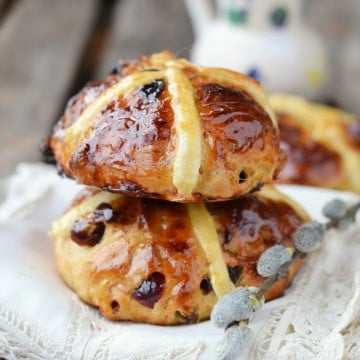
Easter Hot Cross Buns
Ingredients
- 2 ½ teaspoons instant yeast or fast-action yeast
- 1 ½ cups warm milk 105 to 115°
- ½ cup sugar
- 3½-4 cups all-purpose flour or bread flour
- 1 teaspoon ground cinnamon
- 1 teaspoon ground allspice
- ½ teaspoon ground nutmeg
- ½ teaspoon salt
- 1 cup dried currants or raisins
- 1 orange zest finely grated (zest only)
- ⅓ cup butter melted and cooled
- 1 large egg
Pastry Crosses (Optional)
- ½ cup all-purpose flour
- 5 tablespoons water
Glaze
- 1 tablespoon apricot jam
- 2 teaspoons water
Icing (Optional)
- 2 cups confectioners sugar
- 2 tablespoons milk
Instructions
Hot Cross Buns Dough
- In a large bowl, whisk flour, yeast, sugar, cinnamon, allspice, nutmeg, and salt. Then add the melted butter, milk, egg, dried fruit, and orange zest. Mix until a smooth elastic dough forms, about 5 minutes. You can do this by hand or in a stand mixer with the dough hook. Add additional flour as needed, just enough so the dough is soft, comes together, and pulls away from the sides of the bowl. The dough should feel soft and slightly tacky, but not sticky.
- Knead the Dough: Knead using a stand mixer for 5-7 minutes, or by hand for about 10 minutes, until the dough is smooth and elastic. The dough is kneaded enough when it's smooth and does not break when stretched.
First Rise
- Place the dough in a lightly oiled bowl, or in the same bowl, turning once to coat the surface. Cover and let rise in a warm place until doubled in size, about 1 to 1½ hours. Baking Tip: If your dough isn't rising well, make sure your yeast is fresh and your liquids are warm (not hot). A cozy, draft-free spot will help the dough rise more reliably.
Shaping the Buns
- Line a 9 x 13-inch baking pan with parchment with an overhang for easy removal.
- Punch the dough to deflate, and transfer to a floured work surface. Divide in half and shape each portion into a 6-inch log. Cut each log into 6 equal pieces (12 total), then shape each piece into a smooth ball.
Second Rise
- Place each ball, smooth side up, in the prepared baking pan in even rows. Cover and let rise in a warm place until puffy and nearly doubled in size, about 1 hour. Preheat the oven to 350°F (180℃).
Pastry Crosses
- Mix flour and water until a thick, runny paste forms. Spoon into a piping bag fitted with a 3 mm piping bag or small ziplock baggie with the corner snipped. Slowly pipe the crosses onto the buns. If making icing crosses, skip this step.
Baking
- Bake in the center of a preheated oven for 20-24 minutes, or until deeply golden. Avoid overbaking. Meanwhile, briefly heat the apricot jam and water and then mix to combine. Remove the buns from the oven, use the overhang to lift them out of the pan and onto a cooling rack. Brush with jam mixture and let cool.
Icing Crosses
- Whisk the icing ingredients until smooth. Transfer to a piping bag (or a zip-top bag with a small corner snipped) and pipe an "X" onto each cooled bun just before serving.
Notes
- Make Ahead & Freezing: Hot cross buns freeze beautifully. Once cooled (and before adding icing), wrap tightly in plastic wrap and then foil. Freeze for up to 2 months. To serve, remove wrapping and warm in a 325°F oven until heated through. Add icing crosses just before serving.
- To Reheat (Air Fryer): Warm buns at 320°F for 3-4 minutes, or slice and toast at 350°F for 2-3 minutes until lightly crisp.
- Serving Idea: Honey Butter. A simple honey butter is a lovely accompaniment-especially when the buns are still warm from the oven.
- 1 stick unsalted butter, softened
- 2½ tablespoons honey
- 1 tablespoon coarse sea salt
Nutritional information is only an estimate. The accuracy of the nutritional information for any recipe on this site is not guaranteed.
More Easter Bread Recipes
- Paska: Ukrainian Easter Bread
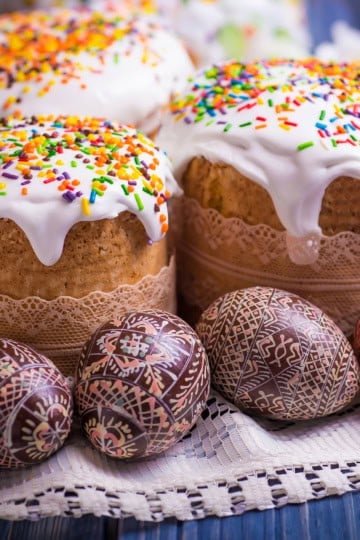
- Ukrainian Kulich Easter Bread
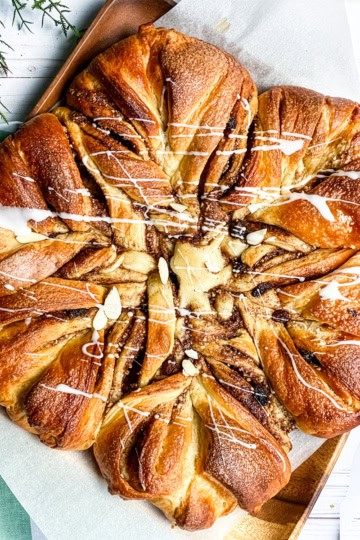
- Almond Cinnamon Babka Star Bread
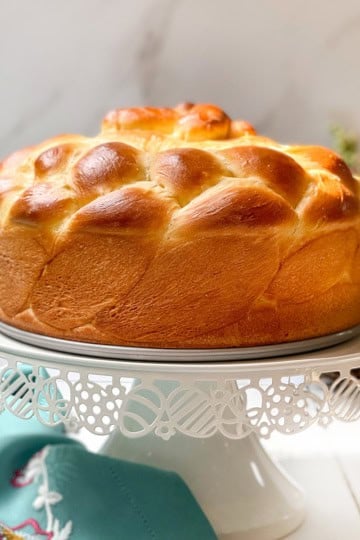
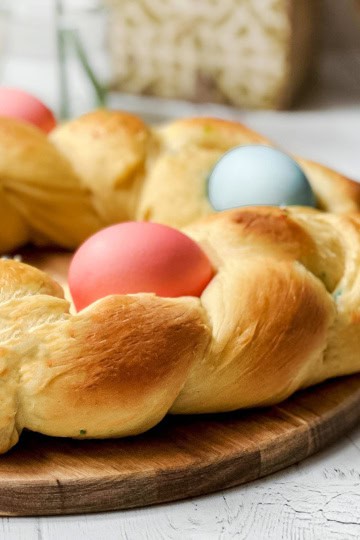
- Italian Easter Bread
If you try this recipe, I'd love to hear your comments and consider giving it a 5-star rating. Explore the recipe index for more easy, delicious ideas, and stay updated by subscribing to our newsletter and following us on Facebook, Pinterest, Instagram, and YouTube!
More Bread
Popular Right Now

Love seasonal recipes and easy ideas for everyday cooking? Join 36,000+ readers and receive our newest recipes each week.
Subscribe to the Newsletter
This was my first time making authentic Hot Cross Buns. I usually used to make egg buns and put an icing cross and a craisin on the top. Our kids have grown and I decided to give this a try for Easter morning. The spices and orange zest was aromatic and welcoming to the taste buds. The actual dough was denser than my usual fluffy egg buns, but the texture was just as satisfying. I am so thankful for this recipe and changing traditions.
This was my first time making the traditional Hot Cross Buns. When my children were younger, they didn't like raisins or anything resembling raisins, so I made egg buns, put an icing cross on top and a craisin and called it Hot Cross Buns. Now that they are older I tried your recipe. Amazing flavor and everybody liked them! Thank you! He is Risen!
Hi Michelle! I had to smile as I also had young ones who were not fans of raisins or dried fruit of any kind. Today, they love these hot cross buns. Making egg buns is such a great idea. I'm so glad you enjoyed this recipe. He has risen indeed!
Stephanie, I have heard of hot cross buns and for Easter, I used your recipe and was knocked over with the flavor! The looked beautiful and tasty. Am making them tomorrow for 55 and over club. Thank you , Cathy
Hi Cathy! I'm thrilled that you enjoyed these hot cross buns! I love the flavor too and make them every year at Easter. But honestly, they are so good any time of the year. I hope you club members enjoy them too.
What are the measurements for the egg wash?
Hi Marianne... 1 egg and 1 tsp water whisked together is usually enough.
Where do you add the orange zest. I couldn't see it written in the directions.
Hi Sydnee -- add the orange zest with the raisins. I've updated the instructions. Thank you!!
These are so good! We have a new favorite !
These are so good! We have a new favorite !