
Ukrainian Kulich Easter Bread


Kulich Easter Bread is a Ukrainian bread made especially for the holiday and is traditional within the Orthodox Christian faith. It's eaten between Easter and Pentecost, which always occurs seven weeks after Easter Day. Kulich is very similar to another regional bread called "Baska."

This post may contain affiliate links. Please read our disclosure policy.
Want to save this recipe?
Enter your email, and we'll send it to your inbox. Plus, you'll get delicious new recipes from us every Friday!
What I Love About This Kulich Easter Bread
- A beautiful and meaningful Easter tradition with deep cultural roots
- Lightly sweet, rich, and tender-similar to brioche or challah
- Perfect for gifting or serving at Easter brunch
- Decorated with simple icing and sprinkles for a festive finish
- Keeps well for several days, making it ideal for holiday baking
There's also a personal connection that makes this bread especially meaningful to me. My maternal grandmother's family were Germans living in Russia, and each Easter they baked kulich in saved metal coffee tins.
I can't help but think of those kitchens-simple, resourceful, and filled with anticipation-as the breads rose and baked for the holiday. It's a tradition that feels both humble and beautiful, and one I love continuing today.
Easter Kulich Bread
This traditional Easter bread is a lightly sweetened, enriched yeast bread with a tender, slightly dense crumb-often described as a cross between brioche and challah. Its rich texture comes from eggs and butter, while subtle sweetness makes it perfect for serving with tea or alongside Easter meals.
Kulich is similar to other European holiday breads like German stollen or Italian panettone, though it is typically baked in tall cylindrical molds, giving it its distinctive shape.
Both Kulich and Ukrainian Paska bread are traditionally baked in tall, cylindrical molds (often repurposed tins). Once cooled, the loaves are topped with a simple white icing that drips down the sides and decorated with sprinkles or candies. The bread is traditionally sliced from the top down.
How to Serve Kulich
Traditionally, kulich is served with cheese paska, a rich mixture of curd cheese, butter, sugar, dried fruit, and nuts. This molded dessert is often shaped into a pyramid and decorated with the letters "XB," representing the Easter greeting "Christ is Risen."
It pairs beautifully with:
- Hot tea or coffee
- Fresh berries or fruit preserves
- Soft cheeses or sweet spreads
- A simple Easter brunch or afternoon tea
Leftovers can be lightly toasted and served with butter or jam.
Kulich Recipe FAQs
Kulich is a tall, cylindrical sweet yeast bread, while paska typically refers to a softer, round enriched bread. In some traditions, paska can also refer to the cheese dessert served alongside kulich.
The tall cylindrical shape is traditional and symbolic, giving the bread its distinctive appearance and making it ideal for decorative icing.
Kulich keeps well for 2-3 days at room temperature when wrapped tightly. It can also be frozen for longer storage.
Yes, kulich can be baked a day in advance. Add the icing just before serving for the best presentation.

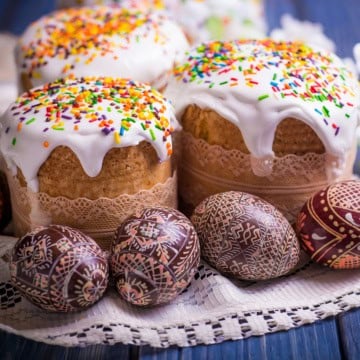
Ukrainian Kulich Easter Bread Recipe
Ingredients
- 6 - 7 cups all-purpose flour
- 4 teaspoons active dry yeast
- ½ cup sugar
- 1 ½ cups warm milk
- ¼ cup butter
- 2 ¼ teaspoon salt
- 3 large eggs
- 1 teaspoon vanilla extract
- 1 tablespoon orange zest
- 1 teaspoon salt
- ¾ cup raisins
- ½ cup chopped blanched almonds
Instructions
- Coat a large bowl with oil and set it aside.
- Warm the milk to 110 degrees F (or just warm to the touch). Dissolve 1 teaspoon of the sugar in ½ cup of milk. Sprinkle the yeast on top and set it aside in a warm place for 5 to 10 minutes until the yeast is bubbly.
- In the bowl of a stand mixer fitted with a dough hook (or large bowl) whisk together the flour, salt, and sugar. Then add the yeast mixture, eggs, softened butter, remaining milk, vanilla, zest, raisins, and almonds.
- Mix until a smooth, elastic dough forms; knead by hand or in the machine for 4 minutes. Add additional flour as needed until the dough pulls away from the bowl; about 1 tablespoon at a time. The dough will be soft and somewhat sticky. I like to then turn it out onto a lightly floured surface and form into a ball.
First Rise
- Transfer the dough to the oiled bowl, turning to coat all sides with oil. Cover with a clean, damp kitchen towel and let rise in a warm, draft-free area until doubled in volume; about an hour to 90 minutes.
- Meanwhile, grease two 8-inch by 4-inch round baking dishes or use paper molds.
Shape the Loaves:
- Deflate the dough and transfer it to a lightly floured surface. Divide it in half and shape each half into a smooth round ball. Place into the prepared pans or molds.
- Cover with a clean, damp kitchen towel and let rise in a warm place until dough doubles in volume; 1 hour. Preheat the oven to 350°F.
Bake the Kulich:
- Bake in the lower third of the oven for 30 to 45 minutes, or until the top is golden brown. Transfer the finished loaves to a wire rack to cool and decorate.
Make the Glaze:
- When the bread is at room temperature, make the glaze. In a medium bowl, whisk together 2 cups of powdered sugar and 3 tablespoons of orange or lemon juice. Add water to thin if necessary or additional powdered sugar to thicken.
- Pour the glaze over the cooled Kulich. Traditionally, the bread is topped with Easter-colored sprinkles before the glaze sets.
Notes
- Icing: 2 cups confectioner's sugar, 3 tablespoons orange or lemon juice whisked together until the desired consistency is reached, adding additional sugar or juice as needed. Add the icing once the bread is completely cooled to achieve the signature drip effect.
- Baking Tips: Traditional kulich is baked in tall cylindrical molds, but you can use coffee cans or small panettone molds. Be careful not to overbake-this enriched dough should remain soft and tender.
- Storing: Store tightly wrapped at room temperature for up to 3 days or freeze for longer storage.
Nutritional information is only an estimate. The accuracy of the nutritional information for any recipe on this site is not guaranteed.
More Easter Recipes
- Easy Easter Breakfast Recipes
- Simple and Festive Easter Dinner Recipes
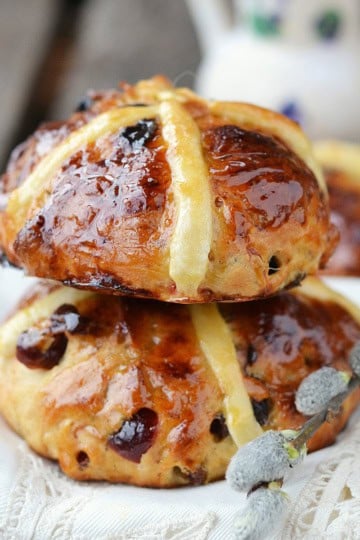
- Easter Hot Cross Buns: Easy to Make Ahead for Good Friday
- 7 Favorite Easter Bread Recipes from Around the World
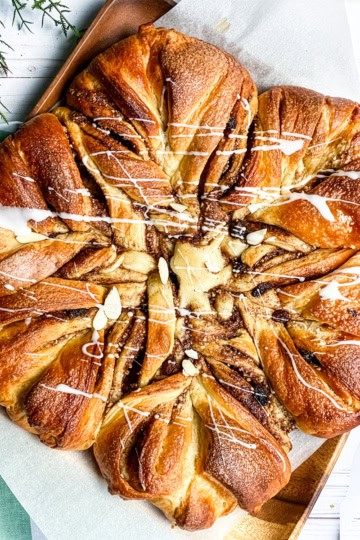
- Almond Cinnamon Babka Star Bread
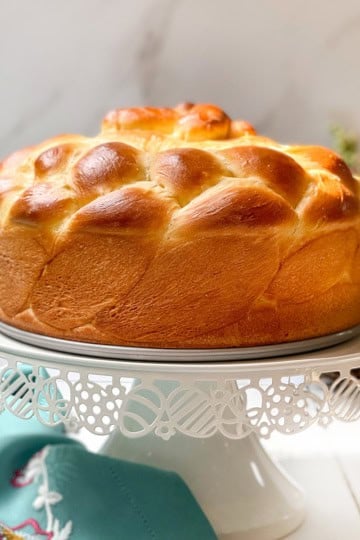
- Paska: Ukrainian Easter Bread
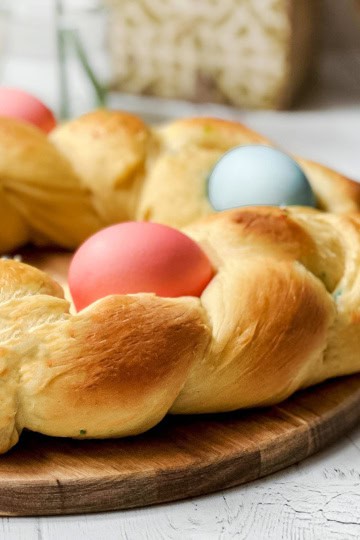
- Italian Easter Bread
- Hot Cross Buns (Easy & Traditional Easter Recipe)
If you try this recipe, I'd love to hear your comments and consider giving it a 5-star rating. Explore the recipe index for more easy, delicious ideas, and stay updated by subscribing to our newsletter and following us on Facebook, Pinterest, Instagram, and YouTube!
More Easter

Popular Right Now
Love seasonal recipes and easy ideas for everyday cooking? Join 36,000+ readers and receive our newest recipes each week.
Subscribe to the Newsletter
Comments
No Comments