
What Is the Mediterranean Diet? A Simple Guide to Everyday Cooking
This post may contain affiliate links. Please read our disclosure policy.
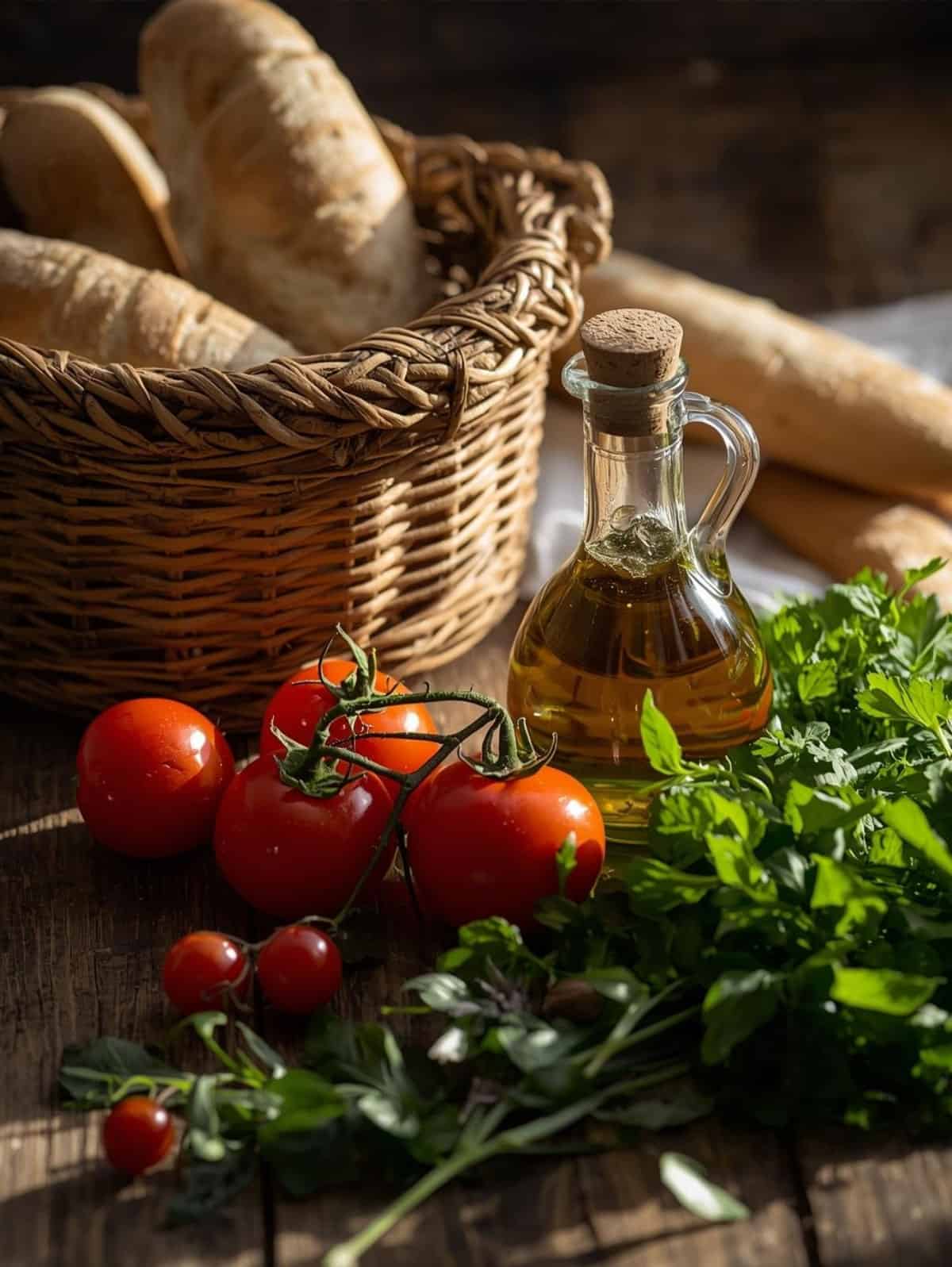
When I cook Mediterranean meals, I'm always reminded that this style of eating is about more than food-it's a way of life.
Rooted in the traditions of countries bordering the Mediterranean Sea, this diet has become one of the most studied and recommended eating patterns in the world. It celebrates fresh produce, wholesome grains, olive oil, lean proteins, and herbs-simple ingredients that come together to create nourishing, flavorful meals.
Whether you're looking to add a few Mediterranean-inspired dinners into your week or follow this style of eating more regularly, here's what you need to know.
Jump to:
What Is the Mediterranean Diet?
The Mediterranean diet isn't a rigid set of rules-it's a flexible pattern of eating inspired by traditional lifestyles. It emphasizes plant-forward meals, healthy fats, and moderate protein intake, primarily from fish and poultry.
Core Principles:
- Daily: Vegetables, fruits, whole grains, legumes, nuts, seeds, and olive oil
- Weekly: Fish and seafood, poultry, eggs, and moderate dairy (yogurt, cheese)
- Occasional: Red meat, sweets, processed foods
→ See more ideas for stocking a Mediterranean Pantry for quick and wholesome meals.
Benefits of the Mediterranean Diet
Researchers have been studying the Mediterranean diet for decades, and the findings are consistent: this way of eating supports long-term health and well-being.
- Heart Health: A landmark clinical trial (the PREDIMED study) found that participants following a Mediterranean diet supplemented with extra-virgin olive oil or nuts had about a 30% lower risk of major cardiovascular events compared to those on a low-fat diet.
- Reduced Risk of Stroke & Diabetes: Harvard researchers note that the Mediterranean diet is consistently linked to lower incidence of stroke and type 2 diabetes, largely due to its emphasis on whole foods and healthy fats.
- Longevity & Overall Well-being: The American Heart Association highlights that people following a Mediterranean-style diet tend to live longer, healthier lives with a reduced risk of chronic diseases.
How to Eat This Way at Home
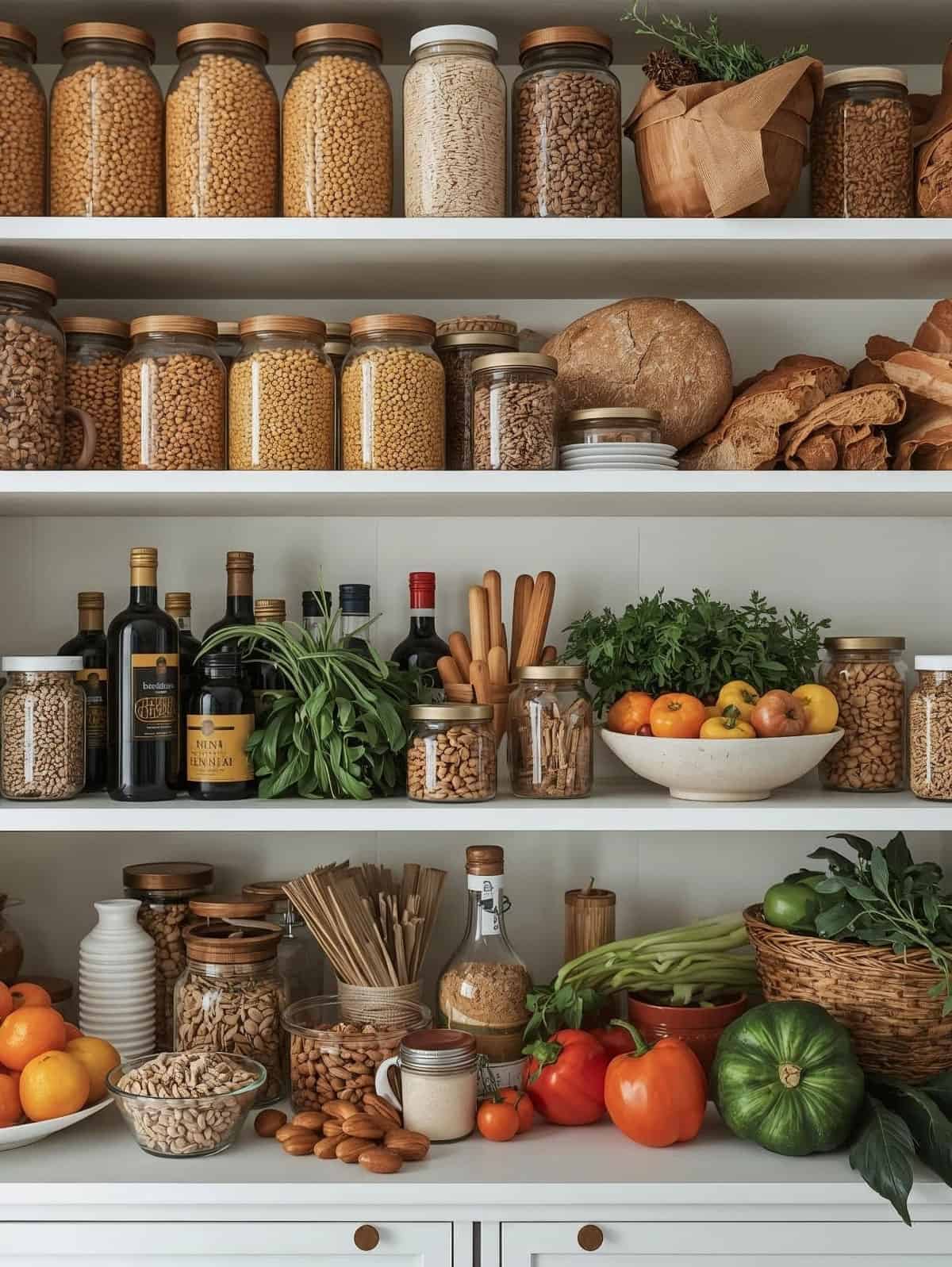
The Mediterranean diet is easy to adapt to everyday meals.
Pantry Staples
- Olive oil (your main cooking and dressing fat)
- Legumes: beans, chickpeas, lentils
- Whole grains: quinoa, bulgur, brown rice, whole-wheat pasta
- Nuts & seeds: almonds, walnuts, sunflower seeds
- Herbs & spices: oregano, basil, parsley, garlic, cinnamon
→ See the Mediterranean Diet Pantry Staples list I use for stocking my pantry for quick and wholesome meals.
Flavor Boosters
- Fresh lemon juice, garlic, onion, and aromatic herbs
- Seasonal vegetables and fruit are the centerpiece of meals
- Seafood or poultry several times per week
Simple Swaps
- Butter → olive oil
- White bread/rice → whole grains
- Heavy red meat meals → fish, seafood, or plant-based proteins
A Simple Day on the Mediterranean Diet
Here's an example of how you might enjoy a day of Mediterranean-style meals (with links to recipes for inspiration):
- Breakfast: Greek Yogurt with fresh berries and honey, or whole wheat bread for avocado toast, topped with a drizzle of olive oil.
- Lunch: Mediterranean Salad with chickpeas, cucumbers, tomatoes, and feta.
- Snack: A handful of nuts, fresh fruit, or hummus with veggies.
- Dinner: Mediterranean Sheet Pan Greek Chicken with roasted vegetables and olives, served with warm pita bread.
💡 Think of it as a framework, not a strict plan-swap in whatever fresh, seasonal ingredients you have on hand.
Mediterranean Recipes to Try


If you're ready to bring this way of eating into your own kitchen, here are some reader favorites to get started:
- Mediterranean Sheet Pan Greek Chicken
- Mediterranean Chopped Salad
- Healthy Mediterranean Egg Muffins
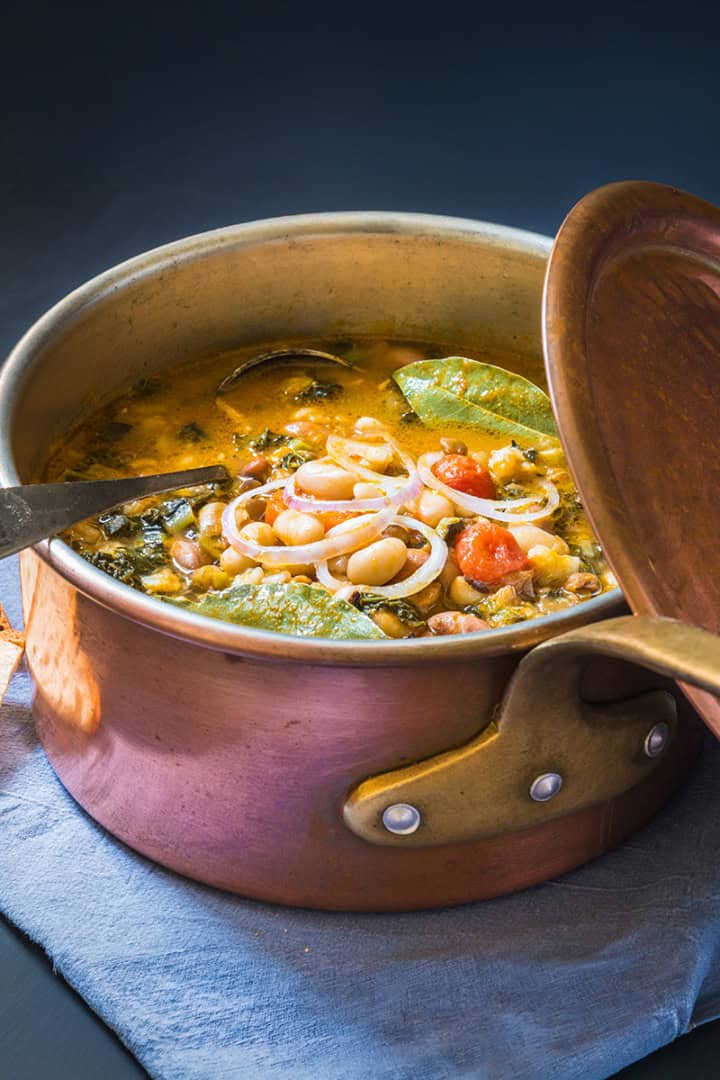
- Curry Lentil Soup
- Mediterranean Chickpea Salad (10 Minutes)
- 2 Minute Greek Yogurt Sauce
Whether you're following the Mediterranean diet closely or simply drawing inspiration from its principles, it's a joyful, flavorful way to eat. By centering meals around fresh, simple ingredients, you'll find that healthy cooking is not only possible-it's delicious.





Mediterranean Diet FAQs
Yes, but in moderation. Yogurt and cheese (especially feta and Parmesan) are common. Focus on small portions and higher-quality dairy.
Absolutely. Simply focus more on legumes, whole grains, nuts, seeds, and vegetables. Many Mediterranean dishes are naturally vegetarian or vegan.
It's limited, not eliminated. Red meat is eaten occasionally-perhaps a few times per month-rather than daily.
Yes. The flexible, flavorful meals appeal to all ages. Sheet pan dinners, grain salads, and fresh pastas make it easy to adapt for kids or picky eaters.
Bringing It All Together
The Mediterranean diet is more than a way of eating-it's a lifestyle built around fresh, simple foods, shared meals, and balance. Whether you're following it closely or simply drawing inspiration from its principles, it's one of the most delicious and approachable ways to bring more whole foods to your table.
If you'd like to explore cooking this way at home, start with my Mediterranean Diet Pantry Staples list for easy swaps and essentials. And when you're ready to cook, try some of my reader-favorite recipes on our Mediterranean recipes page.
💡 Cooking Mediterranean meals doesn't need to be complicated-just a drizzle of olive oil, fresh vegetables, and a squeeze of lemon can turn everyday dinners into something nourishing and extraordinary.
Stephanie's Note
As a certified private chef with over 20 years of experience-and training through Stanford University's Healthy Cooking Specialization for Busy, Healthy People-I've seen how simple shifts in ingredients and cooking methods can make meals both healthier and more satisfying. For me, the Mediterranean way of eating is about more than nutrition: it's about bringing joy, balance, and flavor to everyday cooking.
Comments
No Comments