
Regency Afternoon Tea Ideas: A Jane Austen–Inspired Tea Menu
This post may contain affiliate links. Please read our disclosure policy.
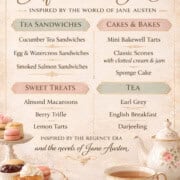
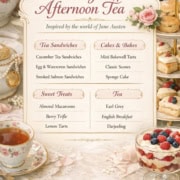
Few settings feel more perfectly suited to afternoon tea than the elegant drawing rooms of the Regency era.
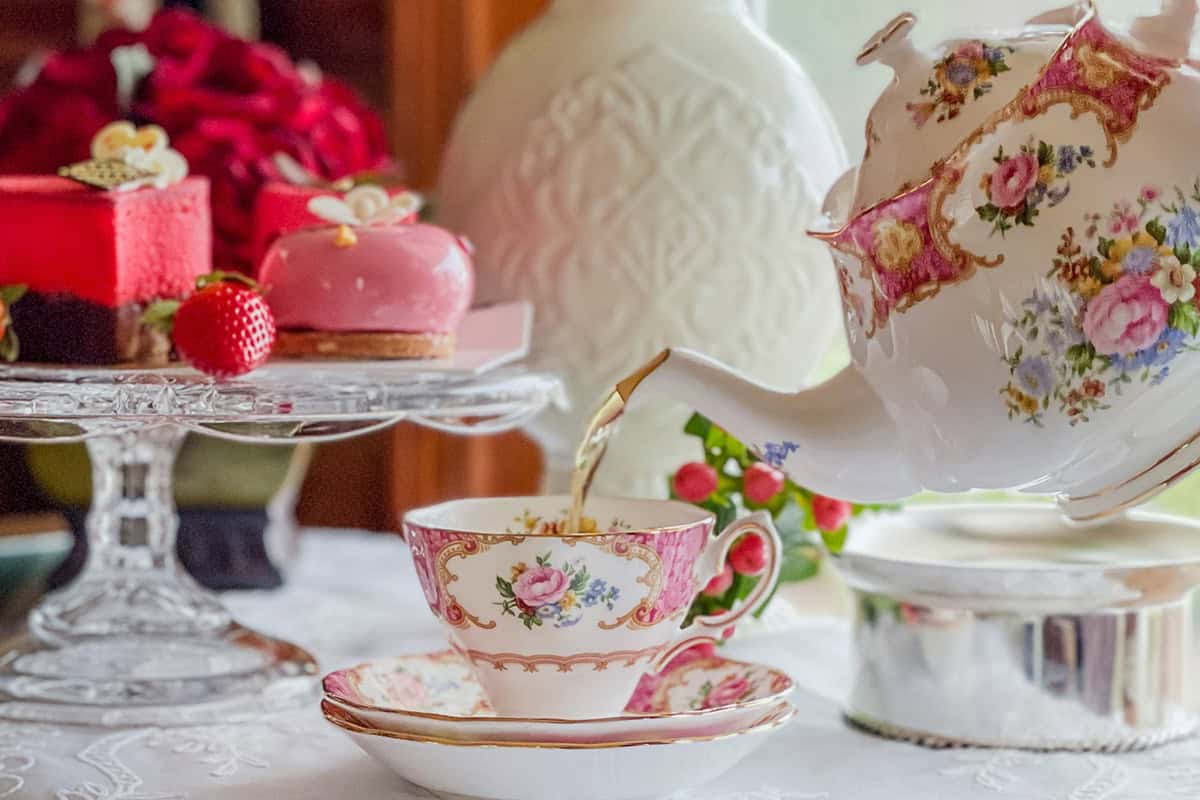
In the world of Jane Austen-and in the romantic imagination inspired by modern period dramas like Bridgerton-tea was more than a simple refreshment. It was a daily ritual of hospitality, conversation, and small indulgences served on delicate china.
Imagine a polished tea table set with thin cucumber sandwiches, small tea cakes, almond macaroons, and perhaps a delicate tart-each bite meant to accompany a freshly poured cup of tea.
I should confess that I've always loved the Regency era. During my history studies, I found myself returning to this period again and again, and the novels of Jane Austen are still among my favorite reads on a rare quiet afternoon. Perhaps that's why the traditions of the tea table feel so endlessly charming to me-they offer a small glimpse into the everyday rhythms of a world we usually encounter only in novels.
Jump to:
What Was Tea Like in the Regency Era?
The Regency period in Britain-roughly 1811 to 1820-was an age known for elegance, social ritual, and carefully observed customs.
Among fashionable society, dinner was often served quite late, sometimes as late as eight o'clock in the evening. With only breakfast and perhaps a light luncheon earlier in the day, a small refreshment in the afternoon became welcome.
Tea gatherings during the Regency era often included simple but refined foods:
- Thin slices of bread and butter
- Delicate finger sandwiches
- Small cakes and biscuits
- Macaroons or fruit tarts
- Freshly brewed tea served with sugar, lemon, or milk
Unlike the elaborate tiered stands we often see today, Regency tea tables tended to be simple but graceful, focusing on small portions meant to accompany conversation.
As one early nineteenth-century writer observed:
"Tea, though ridiculed by those who are ignorant of its virtues, is the favorite beverage of the nation."
Tea was usually brewed from loose leaves in porcelain or silver teapots, often served in drawing rooms where guests gathered to visit, read letters, or enjoy a quiet pause in the day.
Tea in the World of Jane Austen
Tea appears frequently throughout the novels of Jane Austen. In drawing rooms across her fictional villages, characters gather around tea tables to converse, observe social etiquette, and occasionally share a bit of gossip.
The tea table often becomes the center of domestic life.
"But indeed I would rather have nothing but tea."
- Emma Woodhouse, Emma
That simple line captures the comfort and familiarity that tea represented in Regency households. While the foods served were modest, the ritual itself was an important part of hospitality and daily life.
The Origins of Afternoon Tea
Although tea drinking was already well established during the Regency period, the formal custom of afternoon tea is often associated with Anna Russell, Duchess of Bedford, in the 1840s.
The Duchess reportedly found the long hours between luncheon and dinner difficult and began requesting tea and small cakes in the late afternoon. Soon she began inviting friends to join her, and the habit quickly spread among fashionable society.
What began as a simple tray of tea and bread evolved into the beloved tradition we know today.
What Was Served at a Regency Tea Table
While menus varied from household to household, many Regency tea tables included a mix of small savory bites and simple cakes.
Savory Bites
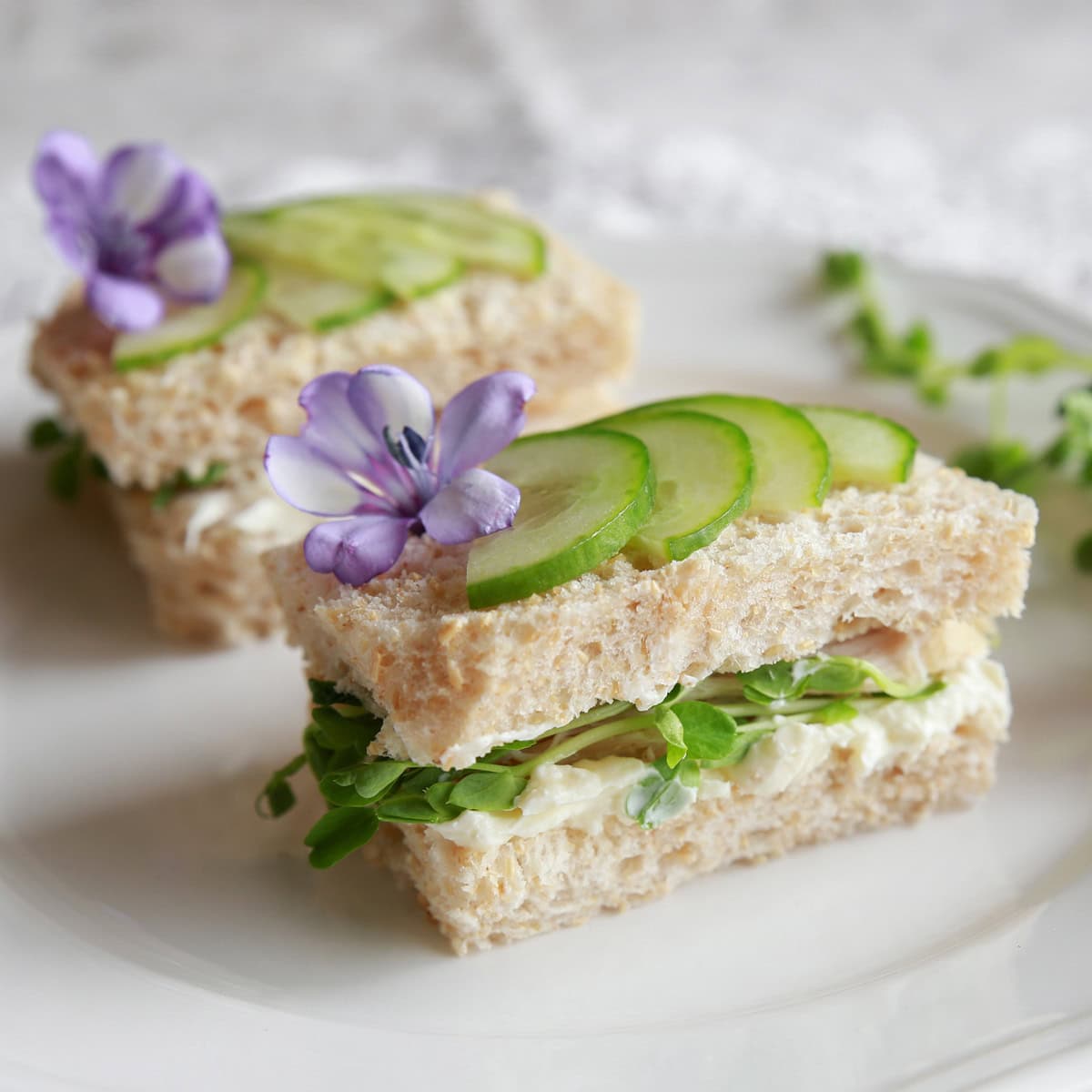
- Cucumber sandwiches: Thinly sliced, salted, and drained cucumbers on buttered bread with crusts removed.
- Egg and watercress sandwiches: Chopped hard-boiled eggs mixed with mustard, salt, and mayonnaise or butter.
- Bread and butter: A staple for any tea, often featuring white or brown bread.
These were typically served with crusts removed and sliced into neat, bite-sized portions.
Cakes and Sweet Treats
Sweet offerings were simple but plentiful:
- Seed cake, flavored with caraway seeds
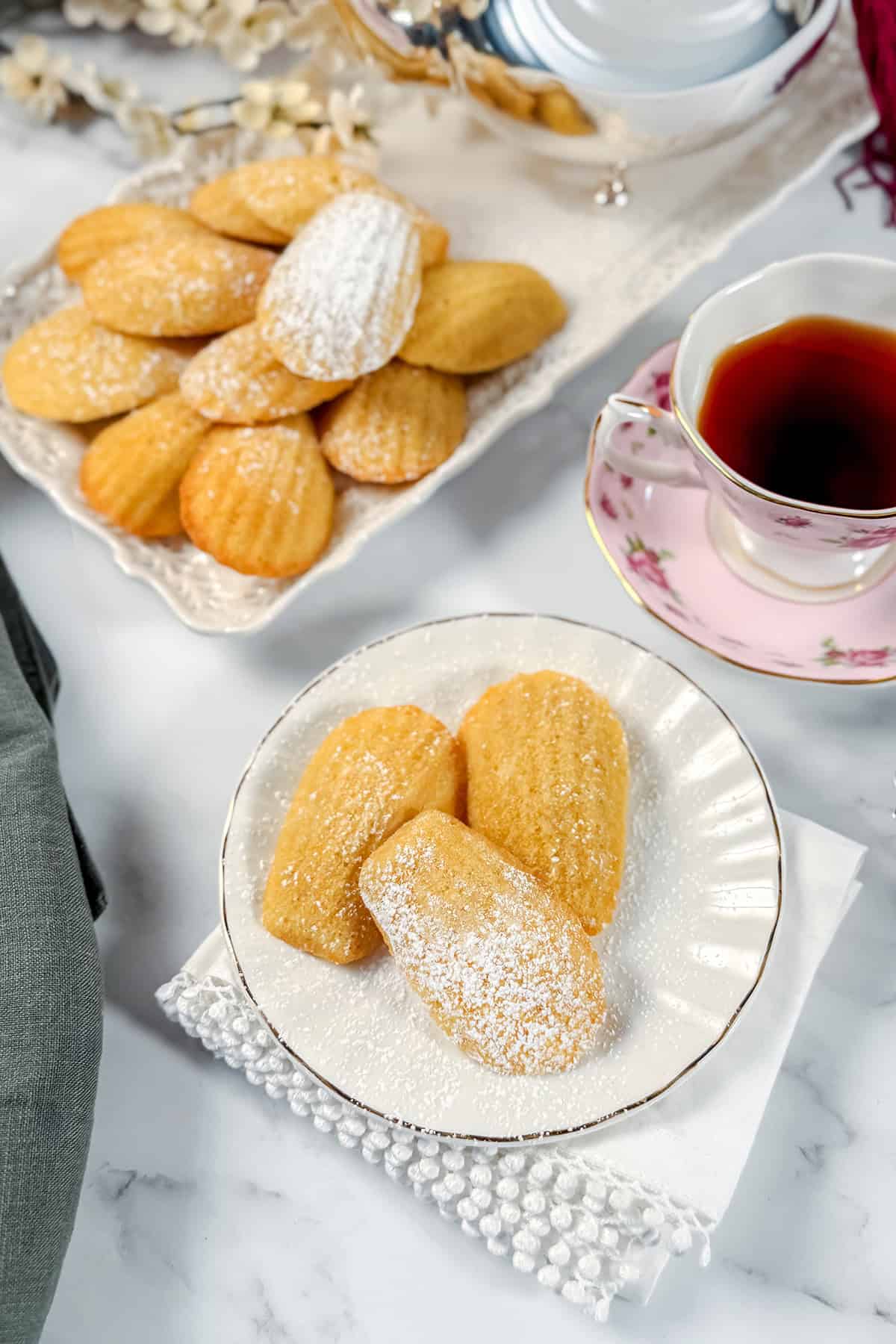
- Almond macaroons
- Sponge cake or pound cake
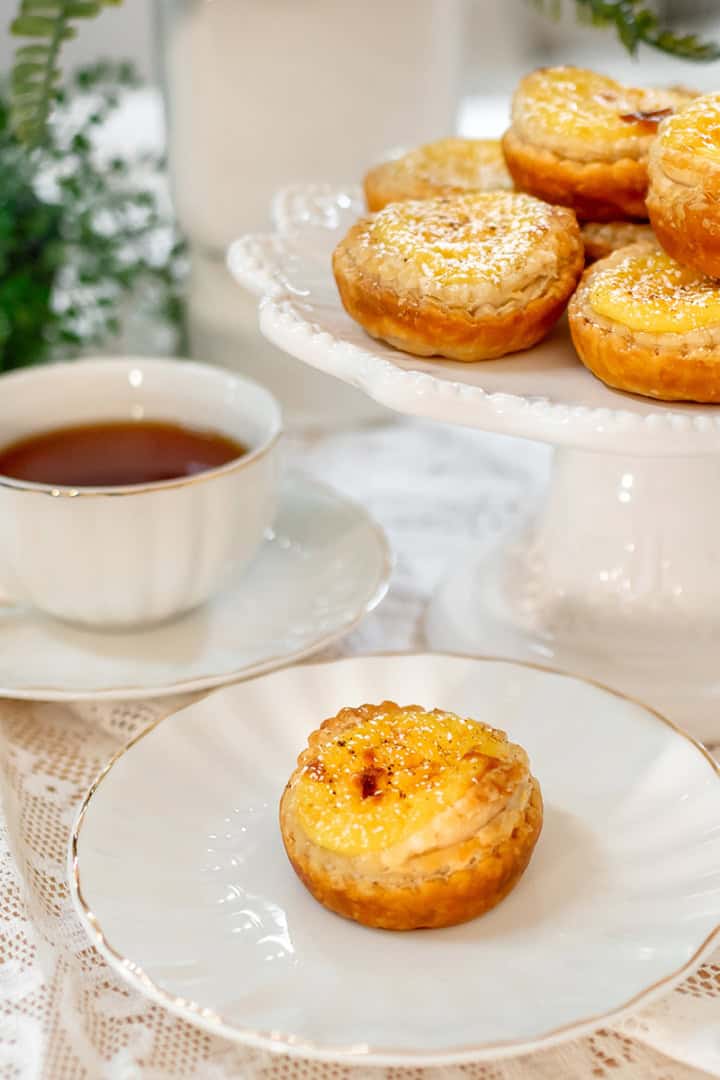
- Fruit tarts or lemon cheese tarts
- Currant teacakes
Small cakes-sometimes similar to what we now call fairy cakes, miniature cupcakes, or afternoon teacakes-were also common. Tea tables of the period often included seed cake as well, a simple pound-style cake flavored with caraway seeds.
Tea
Tea itself was served from porcelain or silver pots and accompanied by sugar, lemon, or milk. Loose tea leaves used during the Regency period were often coarser than modern blends and required longer steeping.
Regency Afternoon Tea Recipes
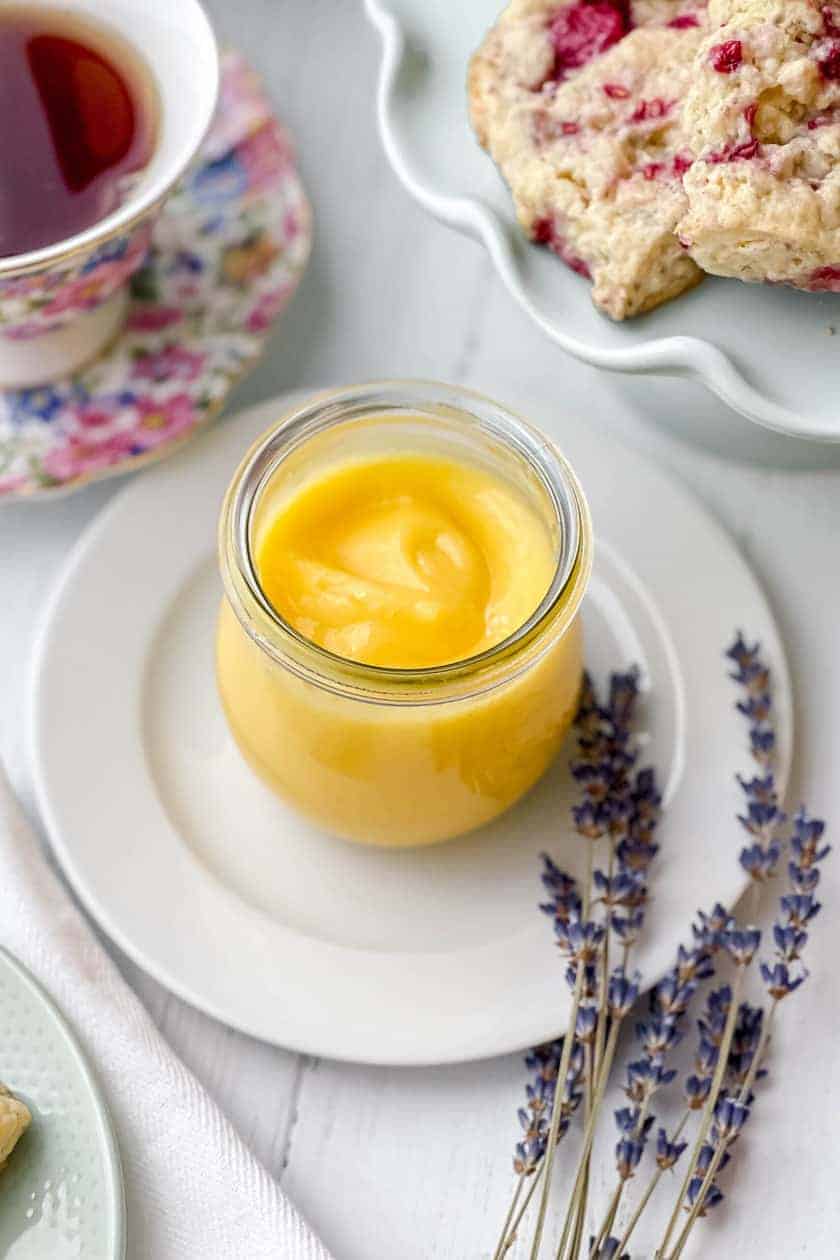
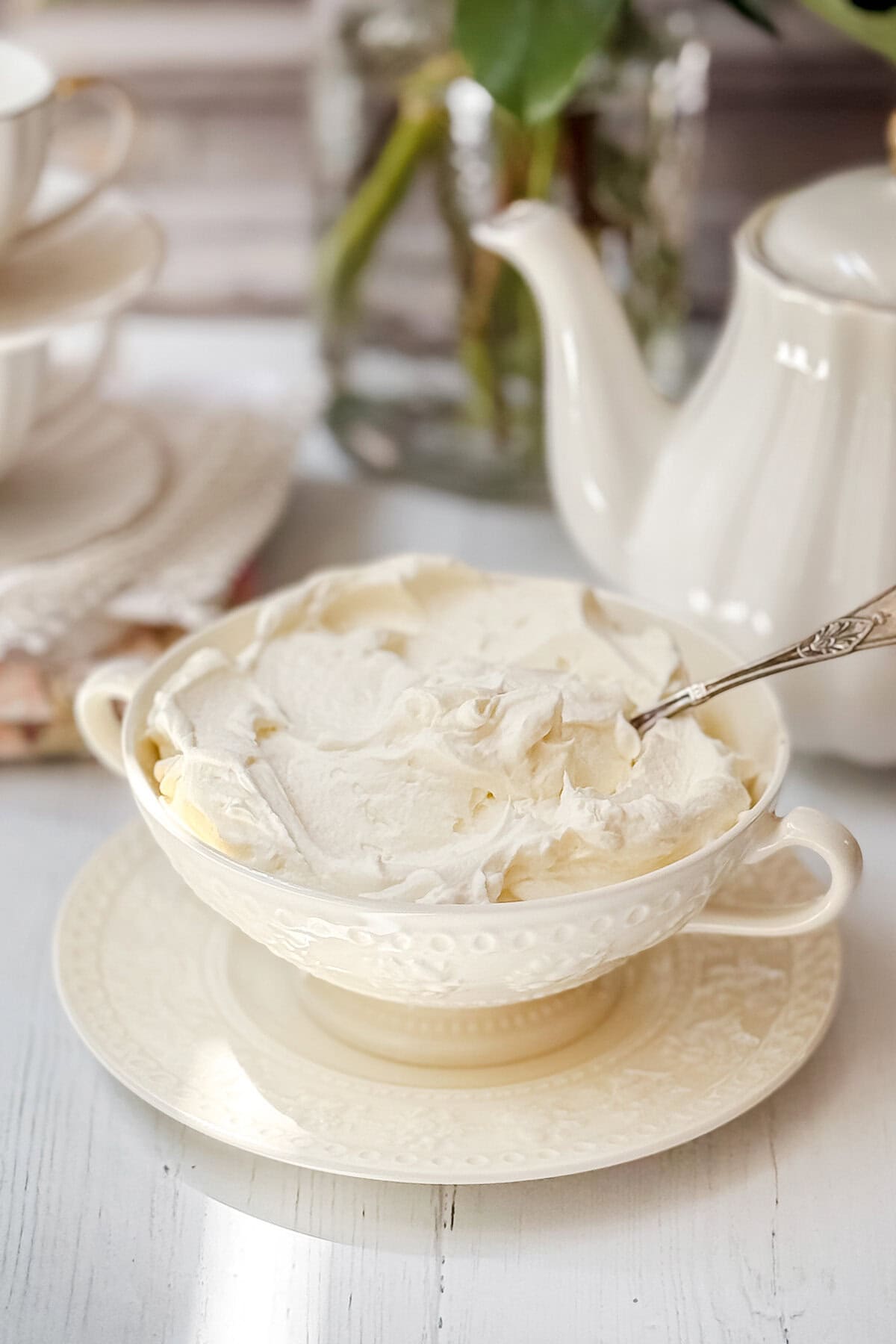
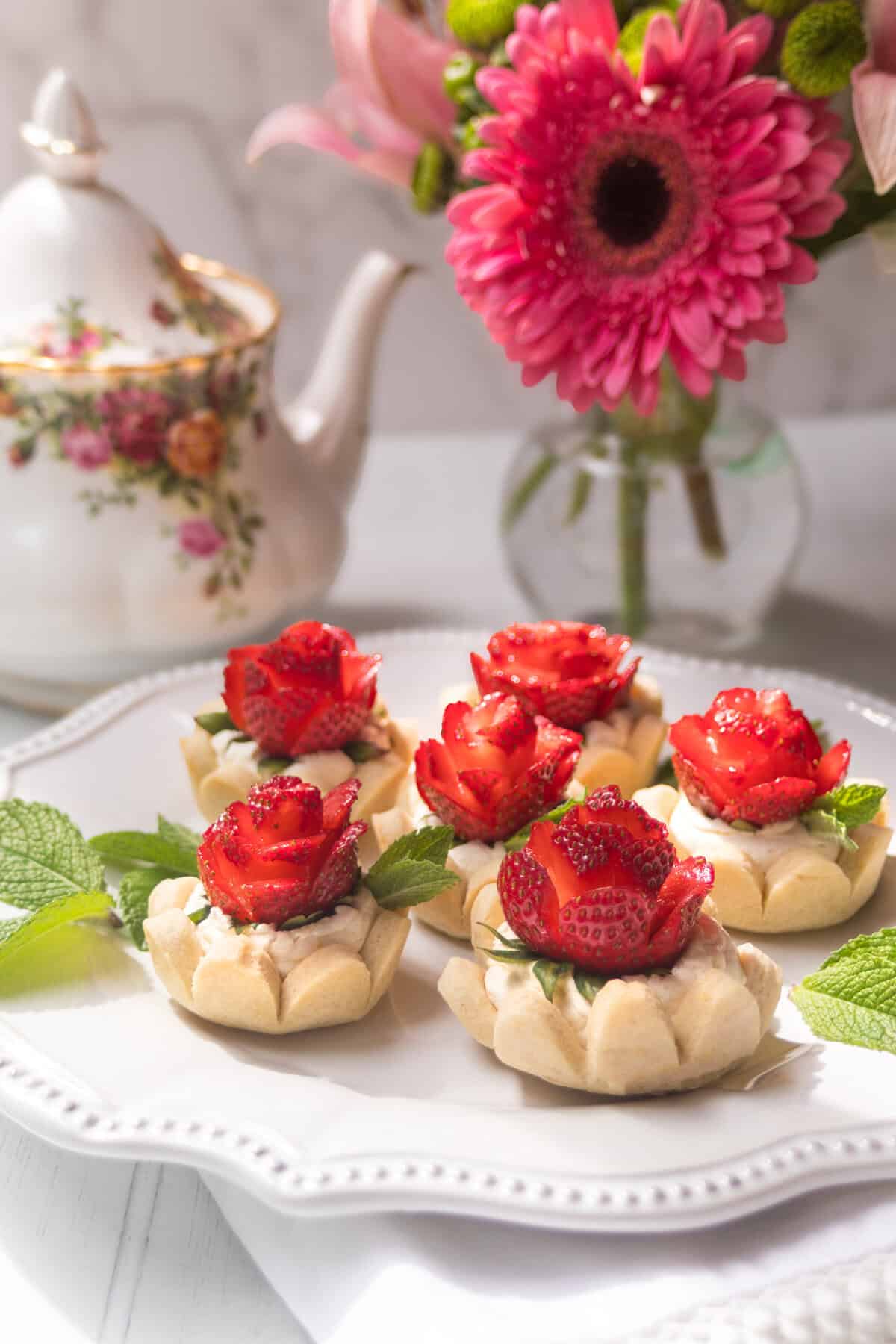
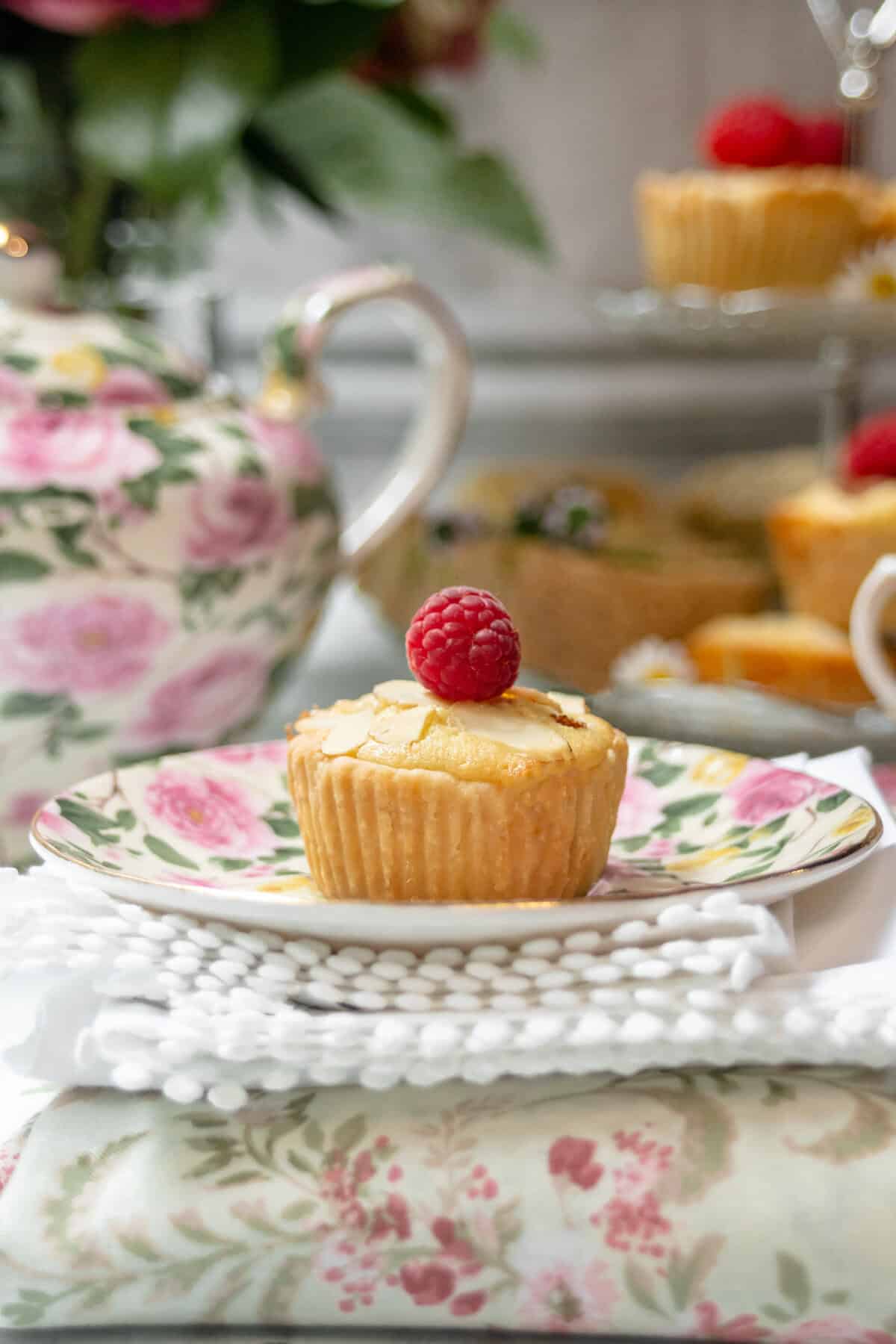
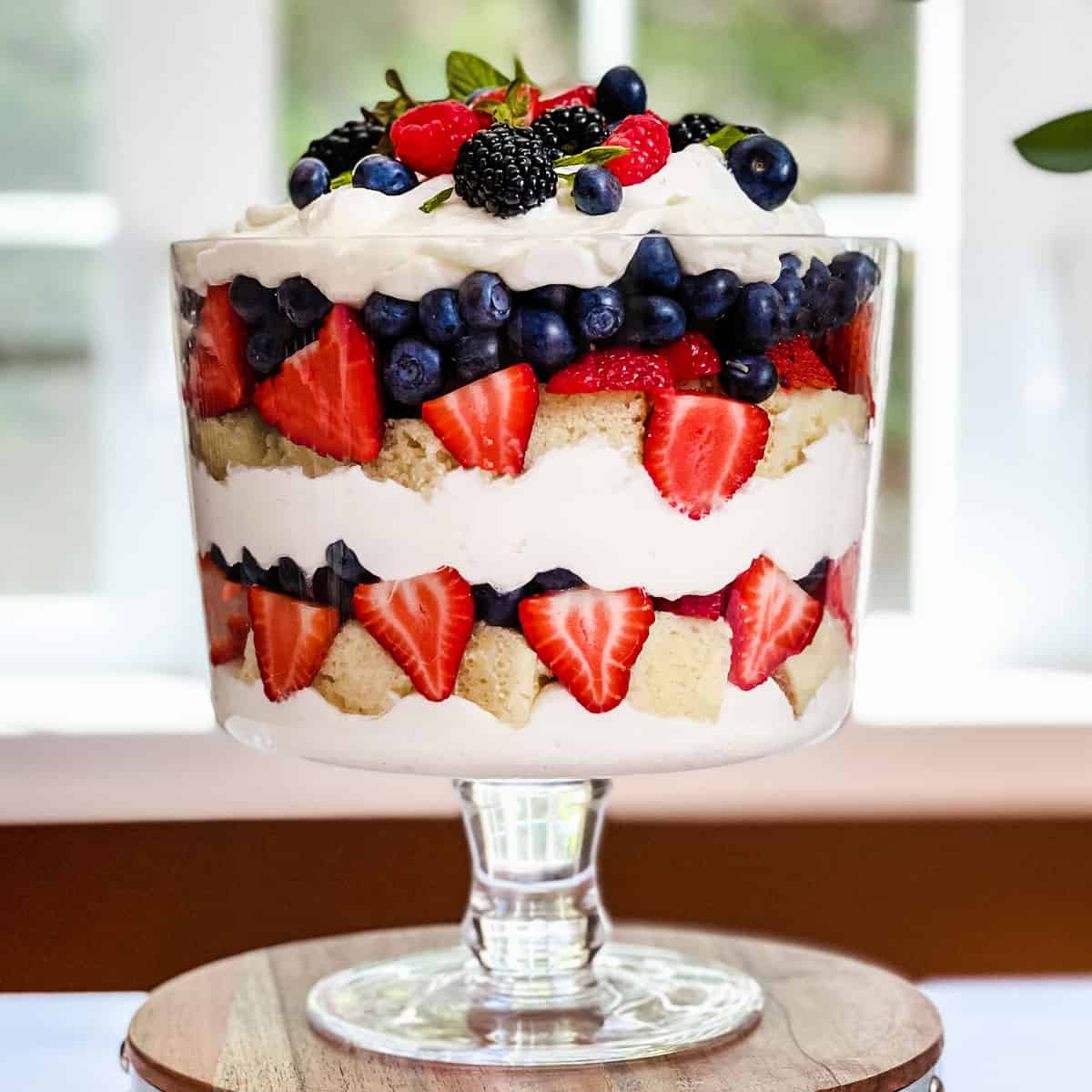
If you'd like to recreate the charm of a Regency tea table at home, these recipes capture many of the flavors associated with the era.
Here you'll find delicate tea sandwiches, simple cakes, and sweet treats perfect for a leisurely afternoon cup of tea.








A Regency Bonbon Tree
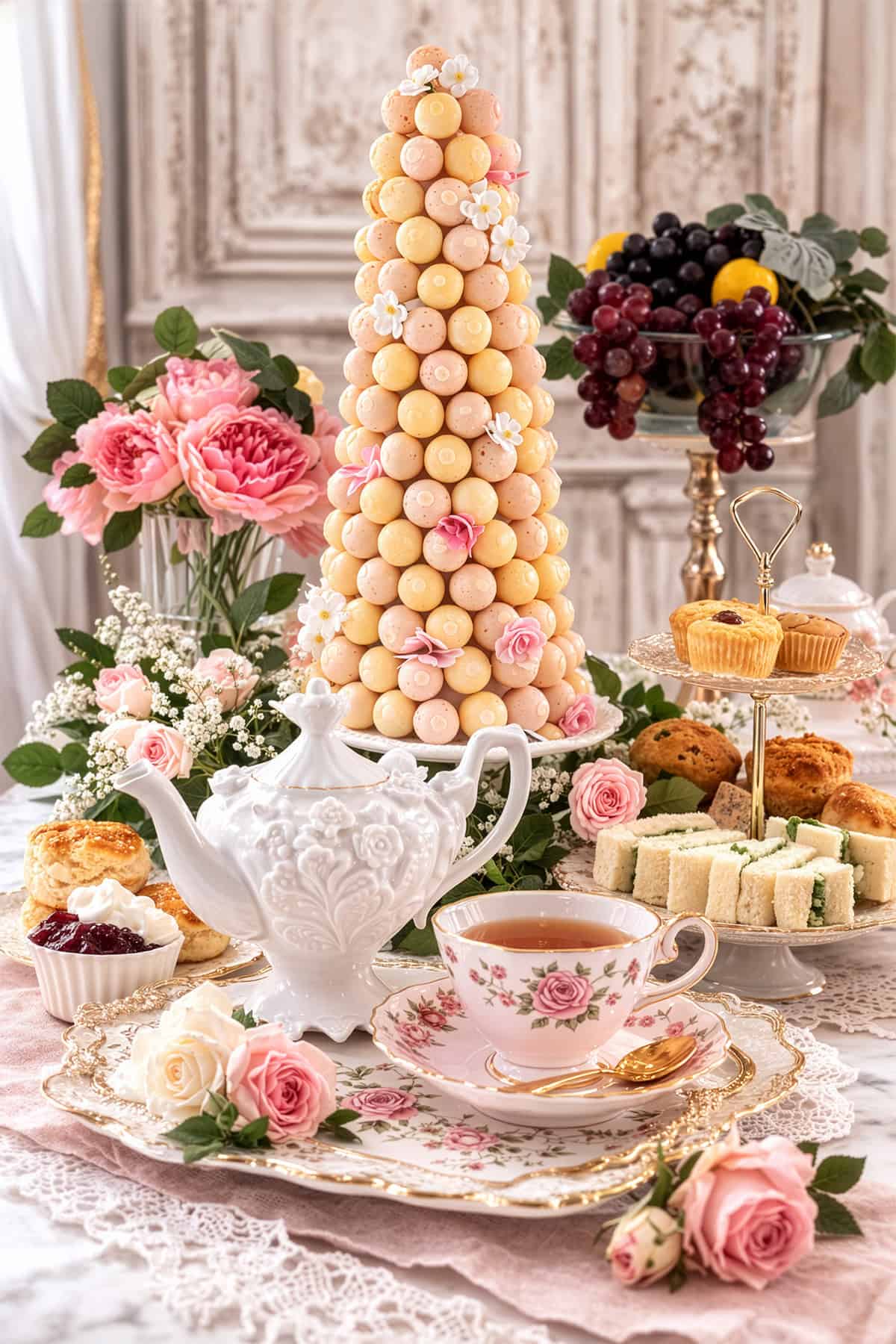
Decorative sweets were often part of fashionable entertaining in the early nineteenth century. One charming way to display them today is with a bonbon tree, filled with small confections or wrapped candies.
Placed in the center of a tea table, it becomes both a dessert and a conversation piece.
Bringing a Bit of Regency Charm to the Tea Table
Part of the enduring appeal of Regency tea is its simplicity. A few delicate sandwiches, a small cake, and a pot of freshly brewed tea are all that's needed.
Today, the elegance of these traditions lives on not only in literature but also in modern storytelling, from beloved Jane Austen adaptations to popular series like Bridgerton.
Whether you're hosting a themed gathering or simply setting the table for a quiet afternoon, these recipes offer a lovely way to enjoy the timeless ritual of tea.
"To sit in the shade on a fine day and look upon verdure is the most perfect refreshment."
- Jane Austen, Mansfield Park
And perhaps the perfect companion to such an afternoon is, of course, a cup of tea.
More Afternoon Tea Party Ideas

Teatime Inspiration
For more teatime inspiration, explore our Afternoon Tea recipes, and don't forget to subscribe to our newsletter for weekly favorites and seasonal ideas, or follow us on Pinterest, Instagram, or Substack.
Comments
No Comments