
Queen Elizabeth’s Drop Scones (Scotch Pancakes) - A Teatime Classic
This post may contain affiliate links. Please read our disclosure policy.

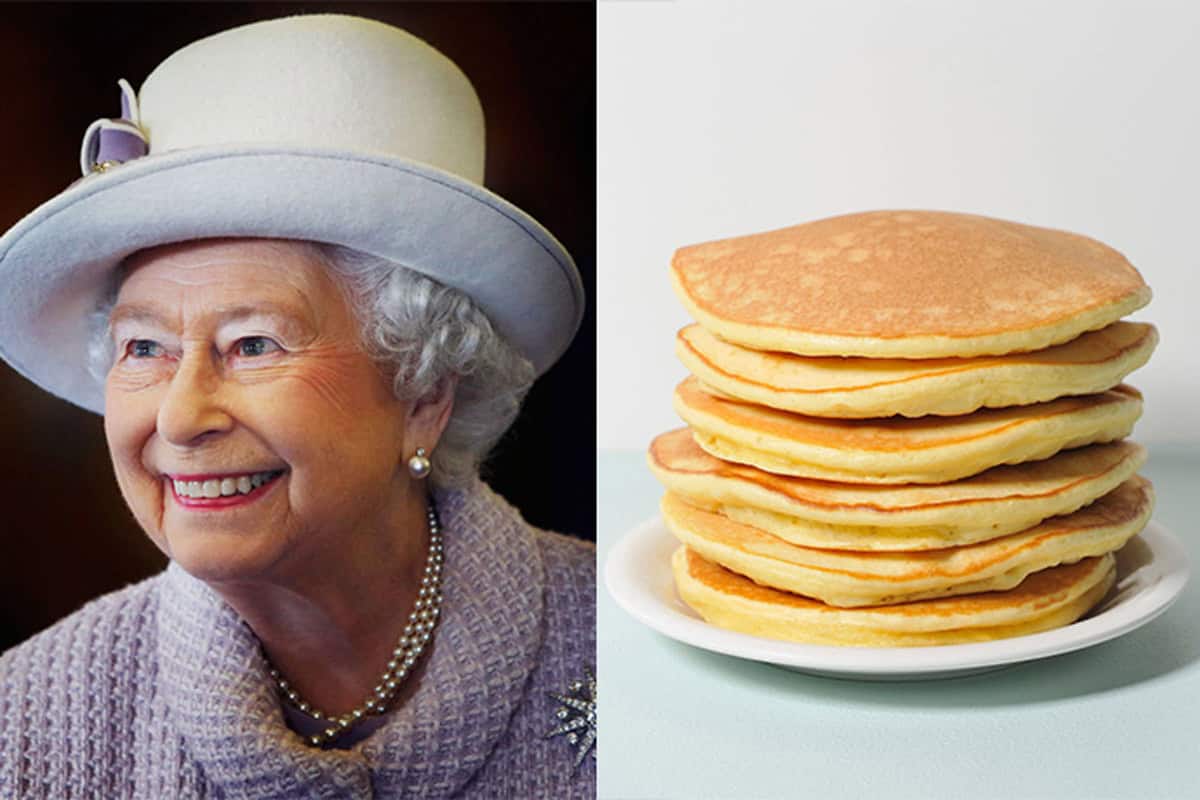
Few recipes carry the charm of history quite like Queen Elizabeth's drop scones, sometimes called Scotch pancakes. Shared with President Eisenhower in the 1950s, this recipe is a delightful blend of simple ingredients and timeless flavor.
Love drop scones, try this easy crumpet recipe or this biscuit scone recipe!
Why I Love This Recipe
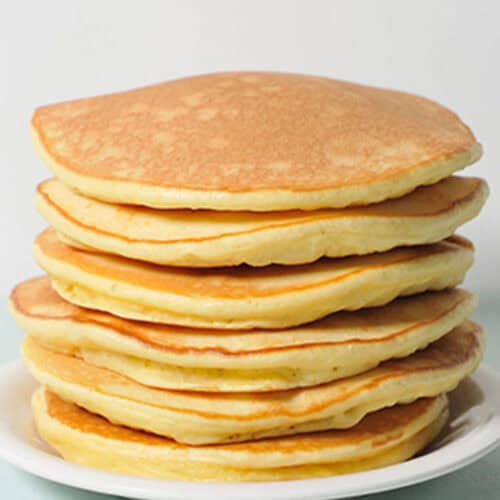
These golden, fluffy little pancakes are perfect for teatime, served warm with butter, jam, or a drizzle of honey. Beyond their delicious taste, they're a wonderful way to bring a little royal tradition to your table.
For more royal-inspired desserts, try this classic British bread and butter pudding, a rich custard bake with timeless appeal, or these Buckingham Palace Shortbread Cookies.
The Royal Story Behind These Drop Scones
In 1959, Queen Elizabeth II shared her personal recipe for drop scones, also known as Scotch pancakes, with President Dwight D. Eisenhower after he and his wife visited Balmoral Castle in Scotland. These simple, tender griddle cakes were a family favorite and a staple at the royal tea table.
The Queen's handwritten recipe, preserved in the National Archives, shows just how charming her kitchen notes were. Measurements are given in "teacups," instructions are brief, and the ingredients are pantry staples. Yet the results are delicious: lightly sweet, golden little pancakes that have stood the test of time.

From the Queen's Letter to President Eisenhower
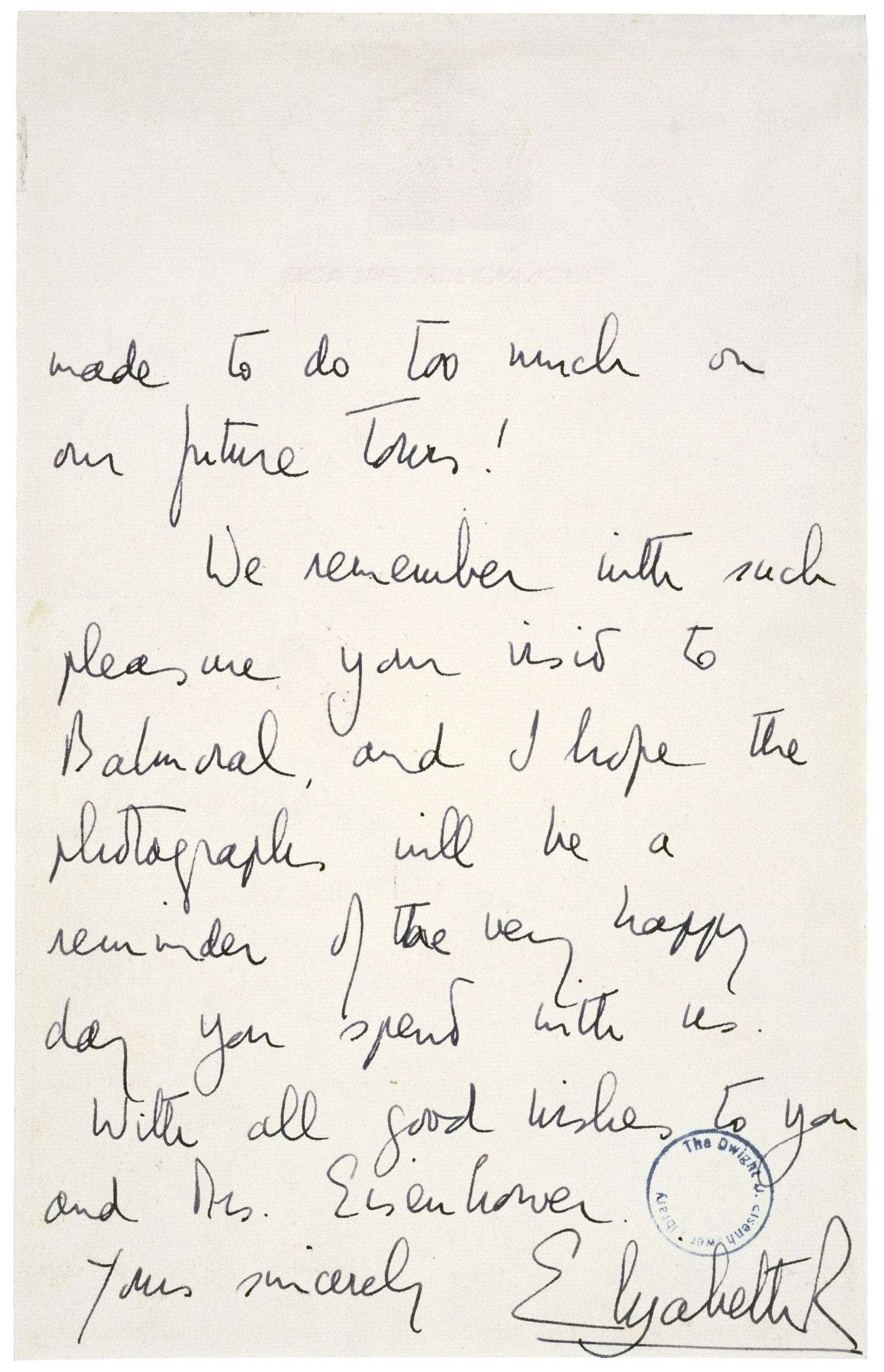
Along with the recipe, the Queen wrote a personal letter to Eisenhower, explaining her fondness for these scones and even apologizing for the informal style of her notes. In one passage, she wrote:
"Dear Mr. President, Seeing a picture of you in today's newspaper standing in front of a barbecue grilling quail made me wonder whether you would perhaps like to try out the recipe for drop scones which I enclose."
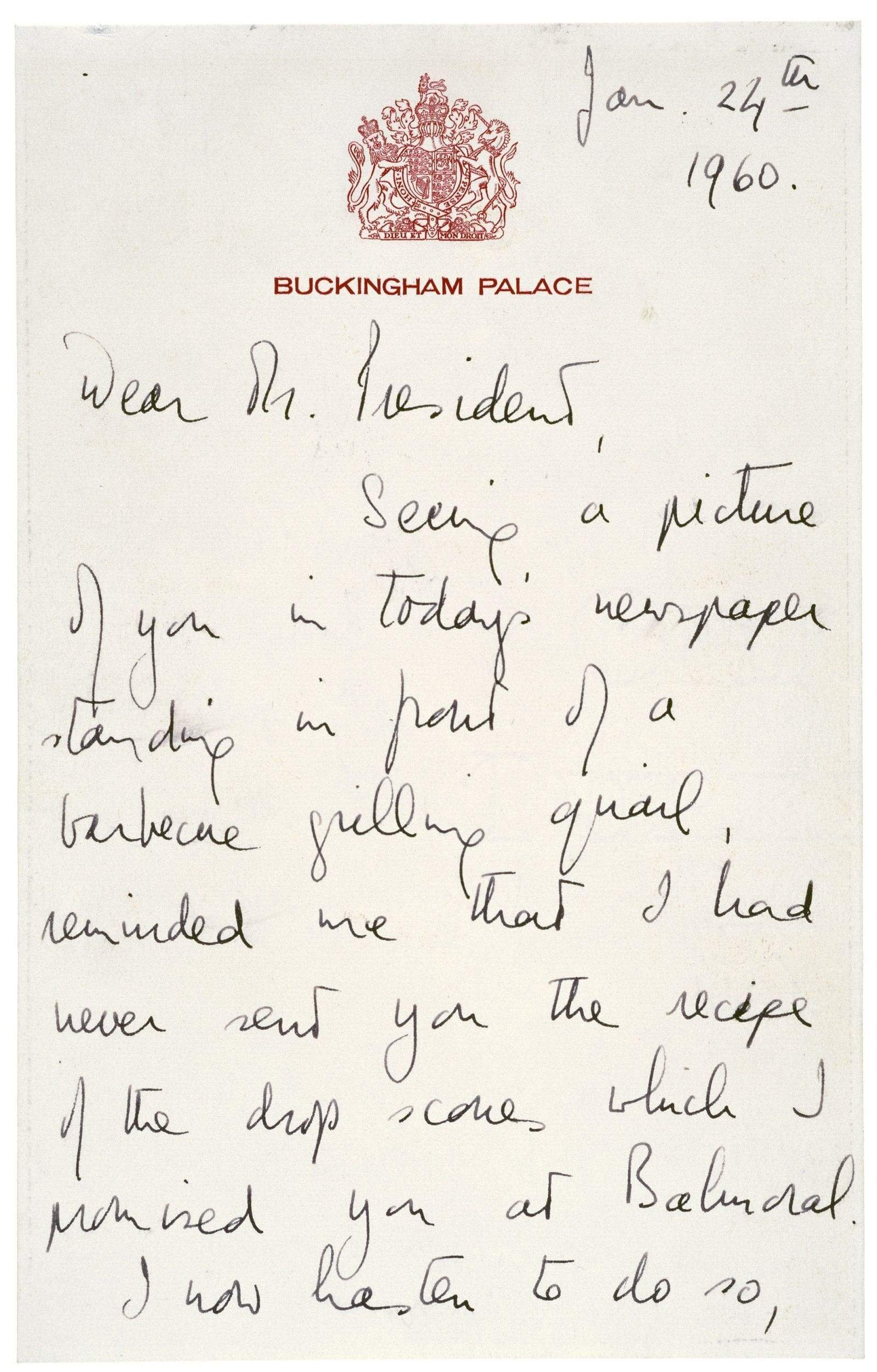 Page 1
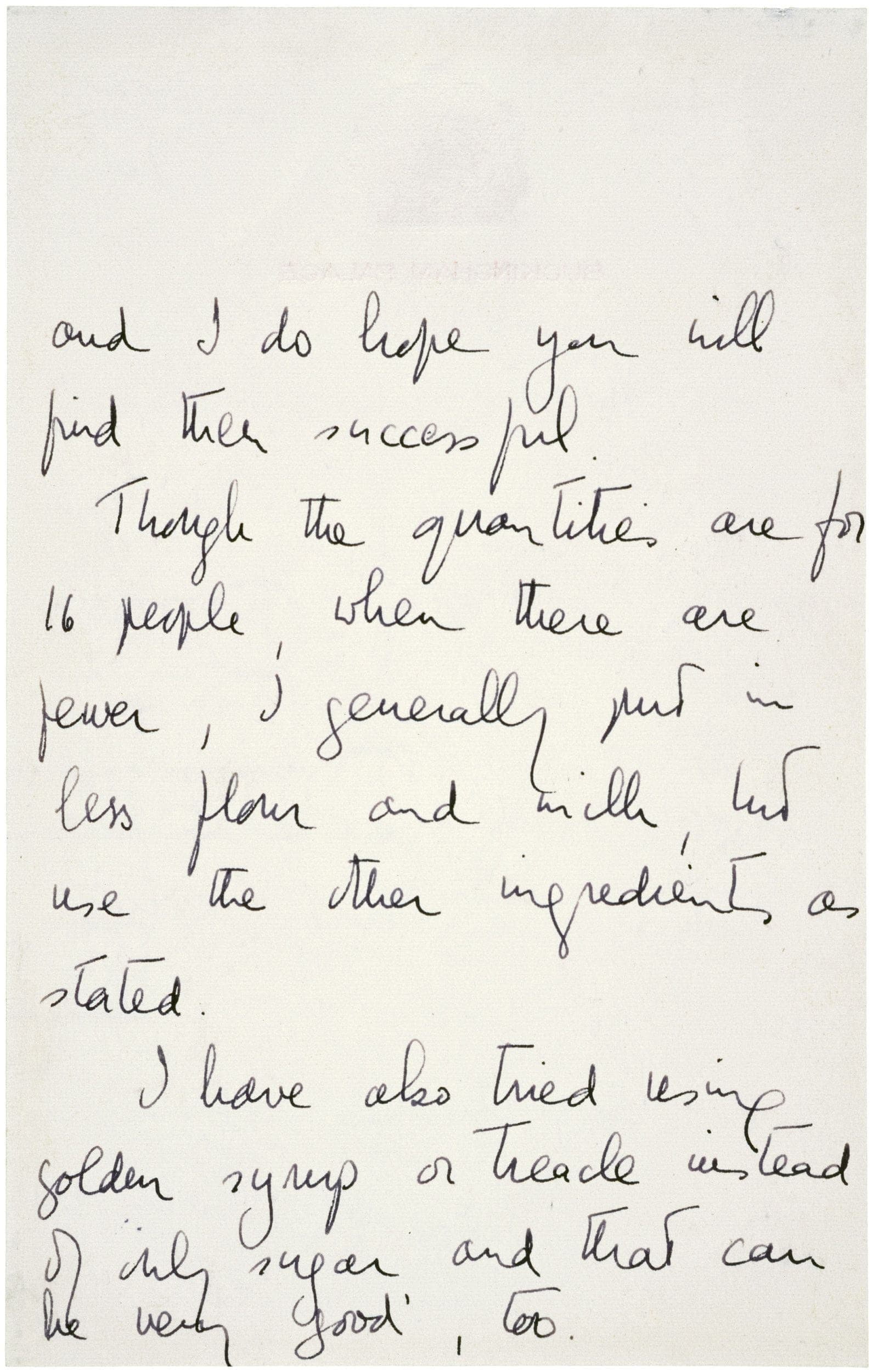 Page 2
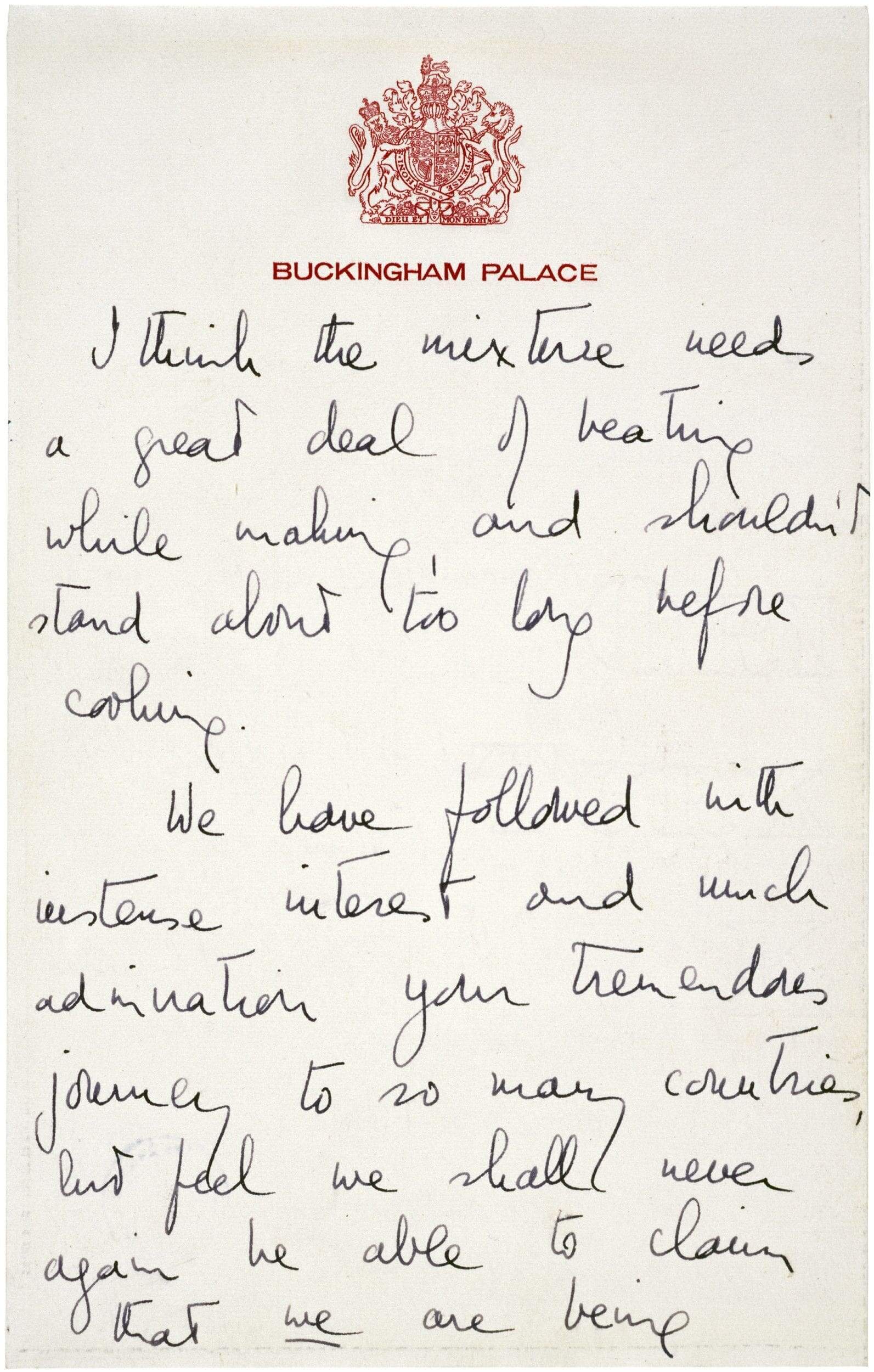 Page 3
 Page 4
This warm, candid letter highlights her genuine enthusiasm for sharing a family recipe, offering a glimpse of the monarch in her most relatable role: a home cook.
How Queen Elizabeth Served Them
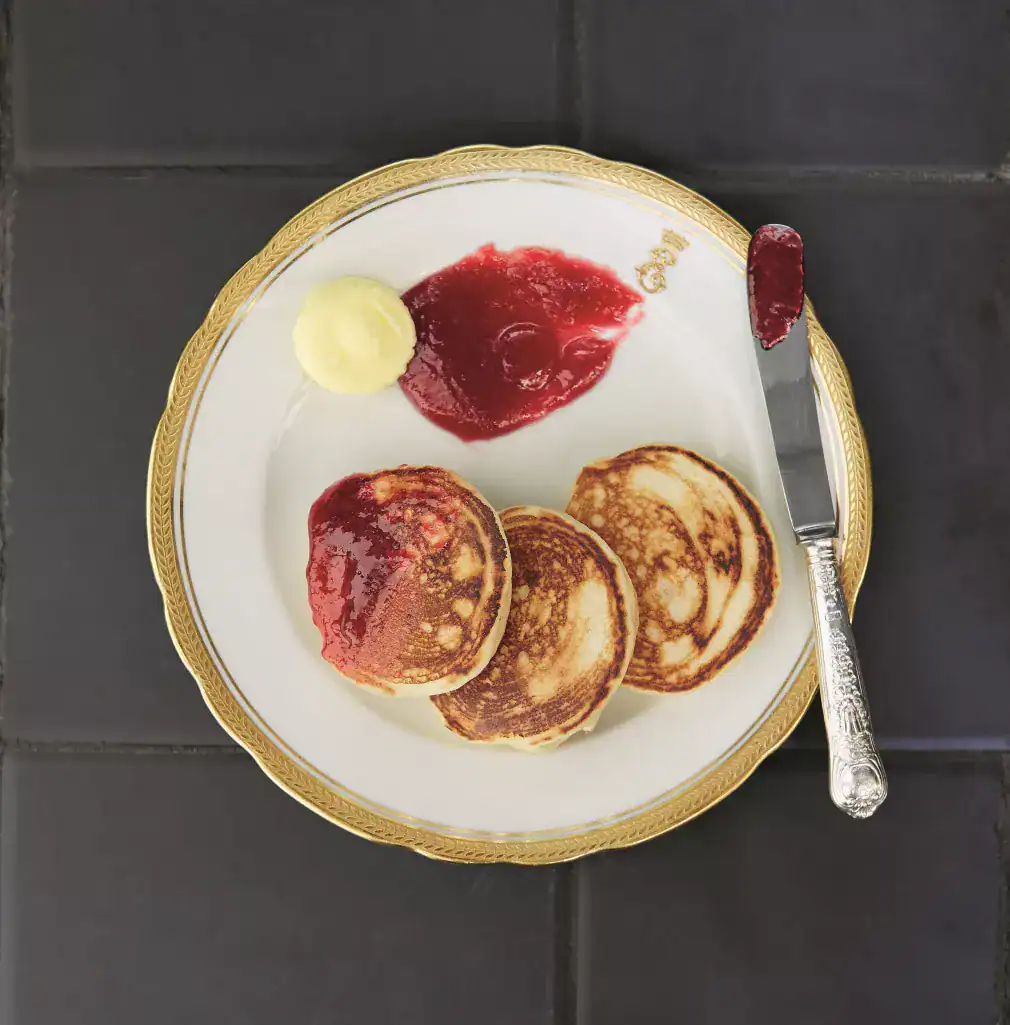
The Queen noted that drop scones could be enjoyed warm, spread with butter, or served with golden syrup, jam, or honey. She also suggested adjusting the batter, thinning it with more milk if needed, and mentioned that the recipe could be easily doubled for guests at Balmoral.
These simple serving notes reveal her practical approach to cooking: a recipe meant to be flexible, enjoyed with family and friends, and perfect for teatime.
To learn more about her love of teatime, see Queen Elizabeth's favorite afternoon tea recipes, or try her favorite Belgian chocolate cake recipe, or the favored Royal Currant Scone Recipe.
Recipe Overview
- Type: Sweet quick bread (like a pancake)
- Texture: Fluffy inside, golden outside
- Flavor: Lightly sweet, buttery, and versatile
- Serving: Perfect for teatime with jam, cream, or syrup
Key Ingredients
- Flour: Provides structure; all-purpose flour works best.
- Sugar: Just a touch of sweetness - golden syrup or honey can be substituted.
- Milk: Creates a tender batter; whole milk gives the richest texture.
- Eggs: Bind the batter and add richness.
- Baking Soda & Cream of Tartar: Work together as leavening agents, giving the scones their rise. Baking powder can be used in a pinch.
- Butter: Adds richness and helps create that golden edge.
How to Make Queen Elizabeth's Drop Scones
- Prepare the Batter: In a large mixing bowl, whisk together the eggs and sugar until pale. Stir in about half of the milk.
- Add Dry Ingredients: Sift in the flour, baking soda, and cream of tartar. Mix gently, adding the remaining milk until the batter is smooth and thick but pourable.
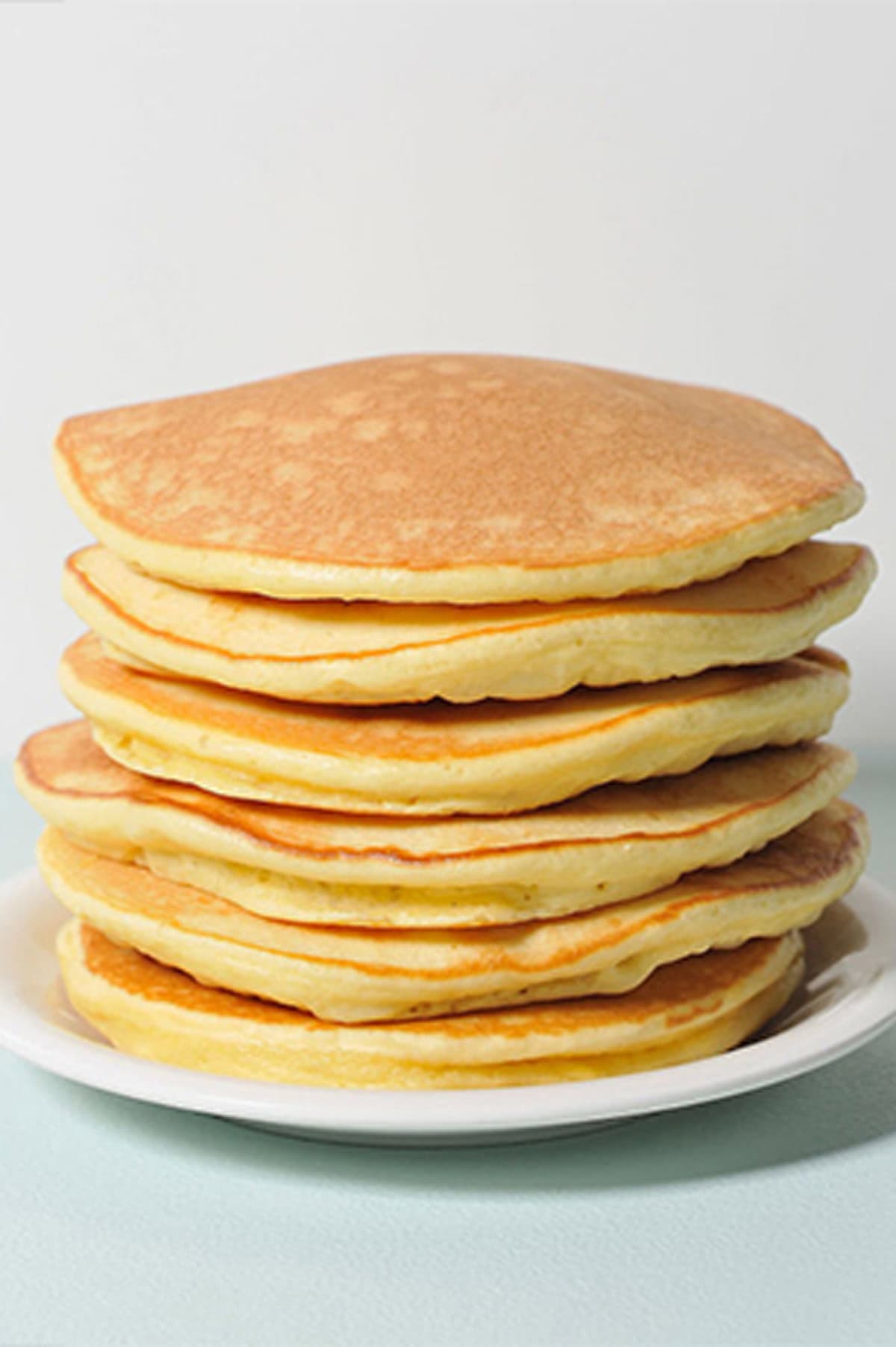
- Cook the Drop Scones: Heat a lightly buttered griddle or nonstick skillet over medium heat. Drop spoonfuls of batter (about 2 tablespoons each) onto the hot surface.
- Flip and Finish: Cook until bubbles form on the surface and the edges look set, 2-3 minutes. Flip and cook another 1-2 minutes, until golden.
- Serve Warm: Best enjoyed fresh off the griddle with butter, jam, clotted cream, or honey.
Variations & Serving Ideas
- Classic Jam & Cream: A nod to afternoon tea traditions. For a delicious touch, make your own 5-minute, homemade clotted cream.
- With Honey or Golden Syrup: A drizzle over warm scones brings out their buttery sweetness.
- Fruit Add-Ins: Fold in a handful of currants, blueberries, or finely diced apple.
- Savory Twist: Reduce sugar and serve with smoked salmon and cream cheese for a light lunch bite.
Recipe FAQs
They're the same! In Scotland, drop scones are commonly called Scotch pancakes.
Yes - substitute with 3 teaspoons of baking powder. The flavor may be slightly different, but the rise will be similar.
Store cooled scones in an airtight container at room temperature for up to 2 days, or refrigerate for 4-5 days. Reheat gently in a skillet or toaster.
Absolutely. Freeze in a single layer, then transfer to a freezer bag. Reheat from frozen in a toaster or warm oven.
Traditionally, they're about 3 inches across - small enough for tea plates, but you can make them larger if you prefer.
These simple, comforting drop scones are more than just a recipe - they're a small piece of history you can enjoy at your own tea table. Whether you serve them for afternoon tea, a special breakfast, or a cozy snack, they'll bring a touch of royal tradition to your day.
You may also like:
- Classic English Scones with Clotted Cream
- Victoria Sponge Cake
- Queen Elizabeth Afternoon Tea Recipes
- An Easy Scottish Afternoon Tea to Remember
- Fluffy Pancake Recipe for a Thick Delicious Delicious Stack
- Best Scones Recipe (with Tips for Light, Flaky Perfection)
- Orange Scones
- Fall Scones with a Dash of Cinnamon
- Lemon Lavender Scones Recipe


If you try this recipe, I'd love to hear your comments and consider giving it a 5-star rating. Explore the recipe index for more easy, delicious ideas, and stay updated by subscribing to our newsletter and following us on Facebook, Pinterest, Instagram, and YouTube!
Want to save this recipe?
Enter your email, and we'll send it to your inbox. Plus, you'll get delicious new recipes from us every Friday!
Queen Elizabeth's Drop Scones (Scotch Pancakes)
Ingredients
- 2 eggs
- 4 tablespoons caster sugar or superfine sugar or granulated sugar
- 1 ½ cups milk
- 2 cups all-purpose flour
- 2 teaspoons baking soda *see leavening substitution in notes
- 3 teaspoons cream of tartar *see substitution in notes
- 2 tablespoons melted butter
- pinch salt

Instructions
- Beat eggs, sugar, and about half the milk in a large bowl. Whisk in the flour, baking soda, cream of tartar, and salt. Add remaining milk as needed to create a thin batter. Then fold in the melted butter.
- Heat a lightly greased skillet or griddle over medium-high heat. Drop 2 tablespoons of batter onto the hot skillet. This will make approximately 3-inch pancakes. When the bubbles begin to appear on the surface and the edges are dry, flip them and cook until golden.
Notes
- Flour: The original recipe called for "teacups." We've provided modern cup and gram equivalents for consistency.
- Leavening: Queen Elizabeth used baking soda with cream of tartar; 3 teaspoons baking powder can be substituted.
- Batter Consistency: If the batter is too thick, add a splash of milk. It should drop easily from a spoon but not run like pancake batter.
- Yield: This recipe makes about 16-20 drop scones (3 inches each). The batch can easily be halved.
- Storage: Store cooled scones in an airtight container at room temperature for 2 days or freeze up to 2 months. Reheat gently in a skillet or toaster.
- Serving Notes: Queen Elizabeth herself suggested butter, golden syrup, or jam. Currants or raisins were also a traditional add-in.
Nutritional information is only an estimate. The accuracy of the nutritional information for any recipe on this site is not guaranteed.
It's so rewarding to make this iconic recipe that the late Queen Elizabeth enjoyed often. Serving them for tea makes it especially delightful! Easy to make and delicious to enjoy.