
Colonial Scones: Recipe from the Early American Tea Table
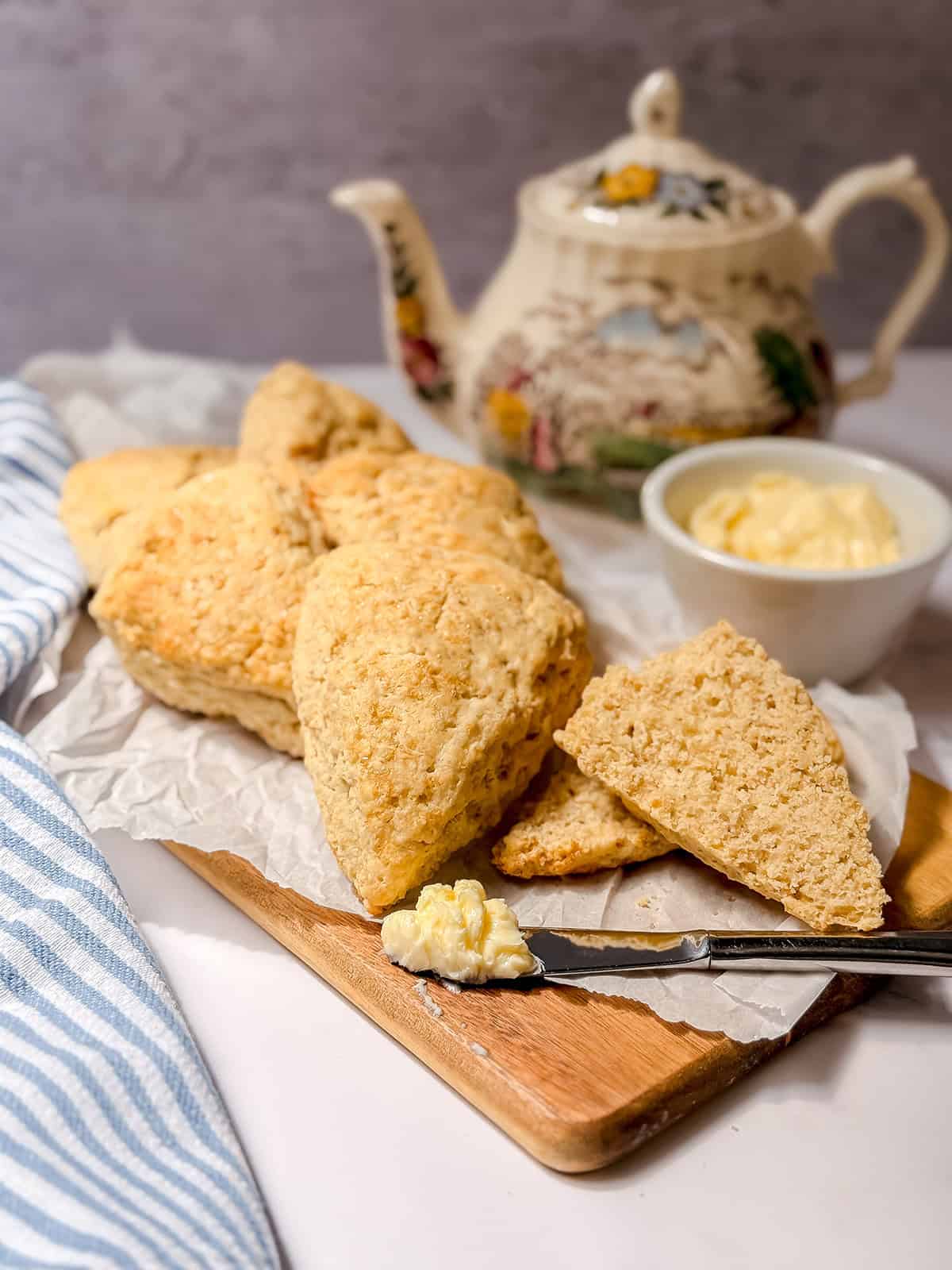
Before the Duchess of Bedford made afternoon tea fashionable in 1840, before the tiered trays, the bone china, and the cucumber sandwiches became the ritual we recognize today, there was a simpler table.
This post may contain affiliate links. Please read our disclosure policy.
Want to save this recipe?
Enter your email, and we'll send it to your inbox. Plus, you'll get delicious new recipes from us every Friday!
A colonial American tea table in the 18th century was not elaborate. It was honest. There was always bread - rustic bread with butter, because bread was the foundation of every meal and every gathering. There was almost always jam, because colonists preserved their fruit harvest as a matter of practical necessity, and the result was something beautiful alongside a warm cup of tea. And increasingly, as Scottish and Irish settlers brought their baking traditions to the new world, there were scones.
Not the light, flour-based, oven-baked scones of the modern tea table. These were their ancestors - hearty, oat-based, griddle-baked rounds descended directly from the Scottish bannock. Coarser in texture, simpler in sweetness, and deeply satisfying in a way that elegant pastries rarely are.
This is that scone. Adapted for a 250th anniversary tea table, and as close to the colonial original as a modern kitchen can make it.
The Scottish Bannock and the Colonial Table
Scones can be traced back to the Scottish bannock - an oat-based flatbread cooked on a griddle and cut into farls, which refers to the quadrant shape of a circle cut into four equal parts. The earliest scone-like cakes were made with oats and cooked on griddles as a type of flatbread, often cooked in large rounds and sliced into triangles for sharing.
Scottish and Irish settlers arrived in colonial America with this tradition entirely intact. And in the colonies, oats made even more practical sense than they had in Scotland - by the 18th century, oats had become so strongly associated with Scotland that English writer Samuel Johnson mockingly defined oats in his dictionary as "a grain, which in England is generally given to horses, but in Scotland supp[orts] the people." Wheat was expensive in the colonies, particularly in the early settlement period. Oats were practical, available, and filling.
The colonial tea table scone would not have been sweetened with refined sugar - that was a luxury, used sparingly and saved for special occasions. Instead, natural sweeteners were used: maple syrup from the trees that grew abundantly across New England and the mid-Atlantic colonies, or honey from kitchen garden hives. Buttermilk - a byproduct of butter-making, which every household undertook - provided the liquid and the gentle tang that made these scones tender.
These early scones were baked on griddles or bakestones, and more often made from oats or barley rather than wheat. The iron griddle was a fixture of the colonial hearth, and the flat, dense bannock-scone was perfectly suited to it - no oven required, no precise temperature, just heat and attention.
Served with fruit jam from the cellar and a cup of Bohea tea, this was the bread course of the colonial tea table. Simple, nourishing, and entirely American in the most foundational sense - a recipe carried from Scotland, adapted to a new landscape, and made from what the land provided.
What Makes These Colonial
If you already love the Scottish Oat Scones with Honey Drizzle or the Scottish Oat Maple Scones on this site, you will recognize this recipe as their ancestor. The oats, the buttermilk, the butter - these are the same tradition.
What makes this version distinctly colonial is a matter of three choices:
No refined sugar. Where modern scones are sweetened with white sugar, these use maple syrup or honey - the sweeteners that would have been available to an 18th-century colonial household. The result is a subtler, more complex sweetness that doesn't compete with the jam.
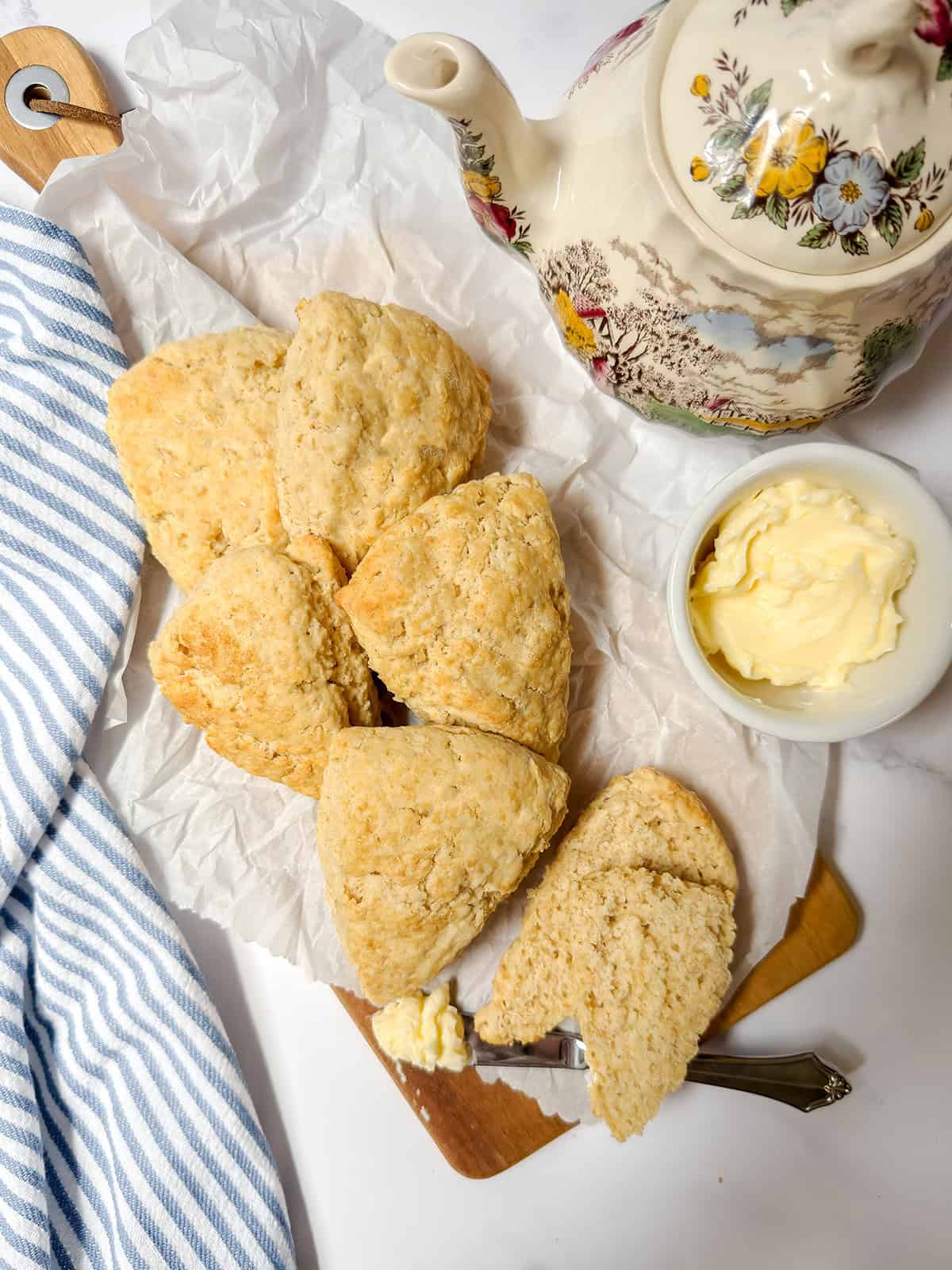
The shape. Cut into triangles - either from a large round or pressed into individual farls - these scones nod to the bannock tradition of cutting a large round into portions for sharing. I also made them into slightly larger, heartier shapes than a modern tea scone, because these were bread-course food rather than delicate pastry.
The simplicity. There are no add-ins here - no raisins, no currants, no glaze. Just oats, flour, butter, buttermilk, salt, a natural sweetener, and a small amount of baking powder for lift. The flavor is honest and clean, designed to be a vehicle for good jam and delicious tea rather than a destination in itself.
How to Make Colonial Oat Scones
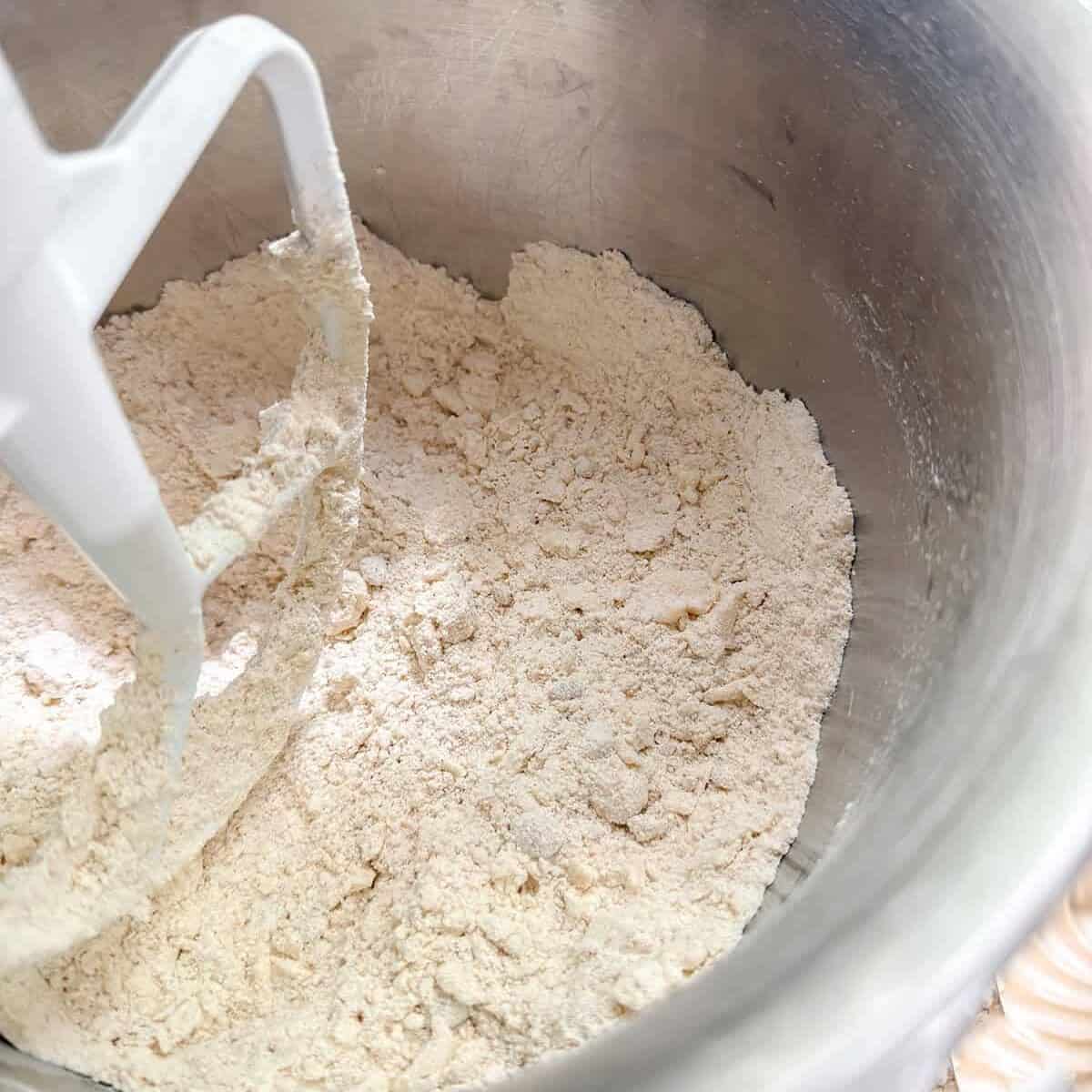
- Step 1: Make the Dough. Combine flour, oats, baking powder, baking soda, and salt. Cut in the butter until the mixture resembles coarse crumbs. Mix in the buttermilk and maple syrup until the dough comes together. The dough will be slightly sticky.
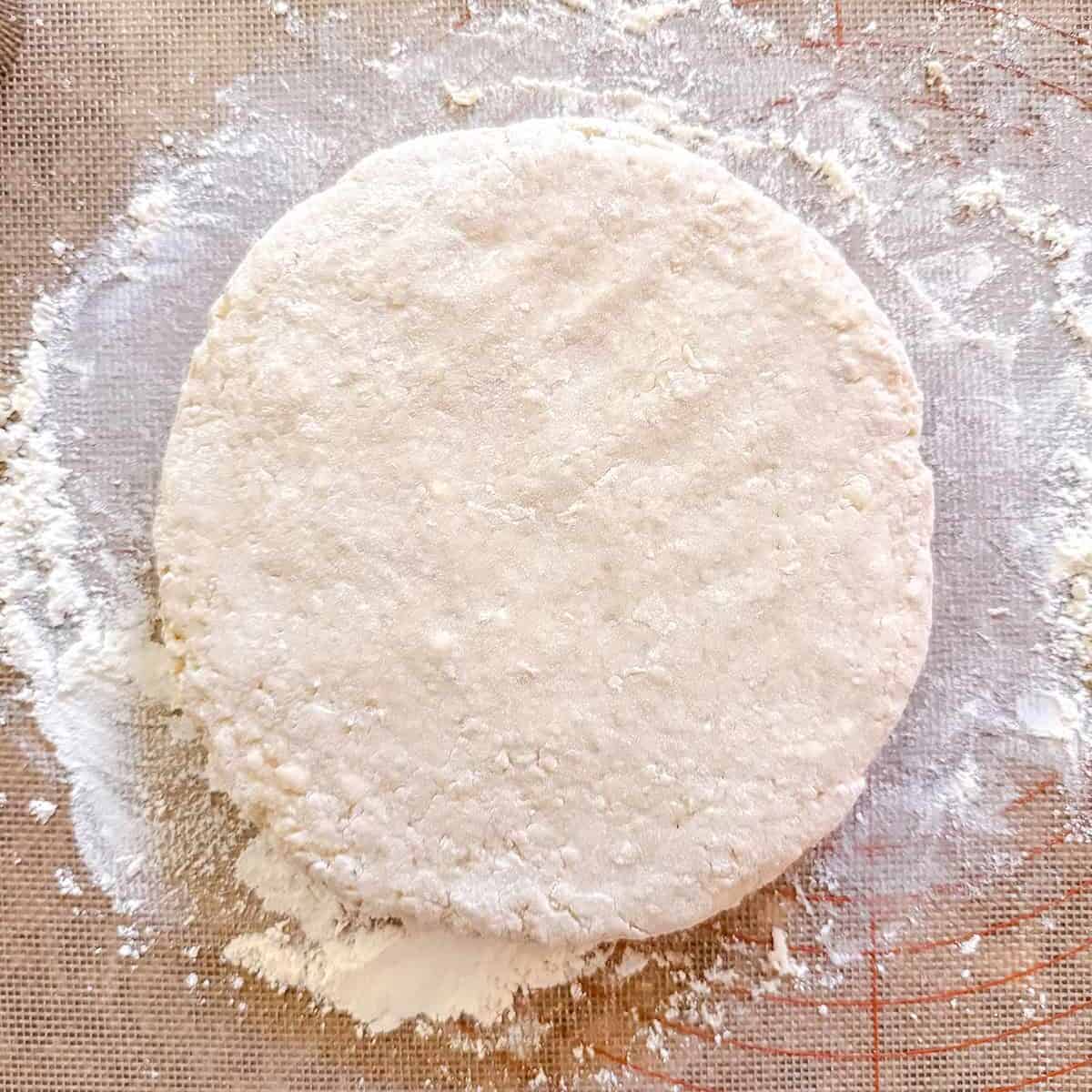
- Step 2: Shape the Dough. Turn the dough out onto a floured surface and gently shape it into an 8-inch circle, about ½ to 1 inch thick.
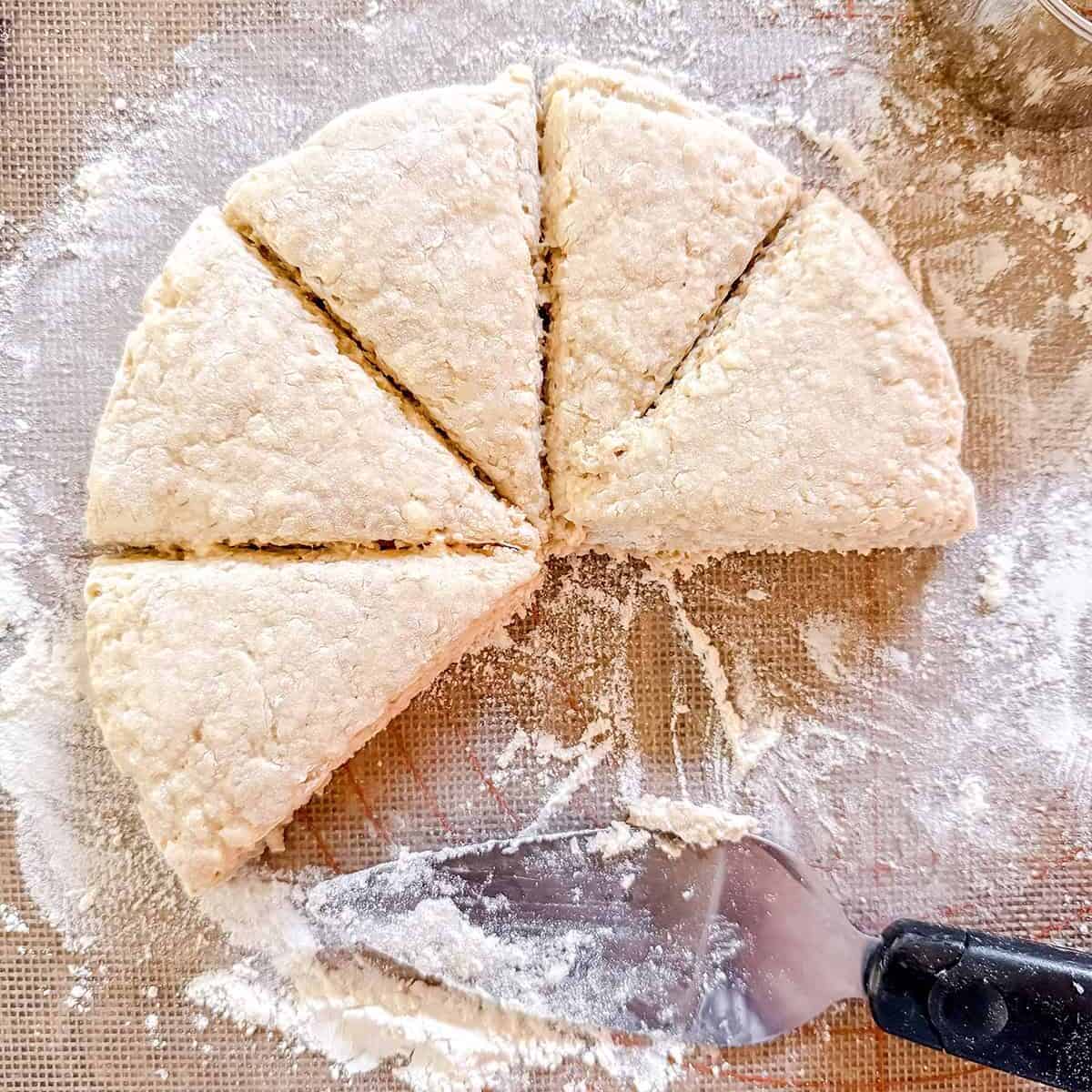
- Step 3: Cut the Scones: Cut the dough into 8 or 10 wedges, or use a 2-inch round cutter, then transfer the scones to the prepared baking sheet.
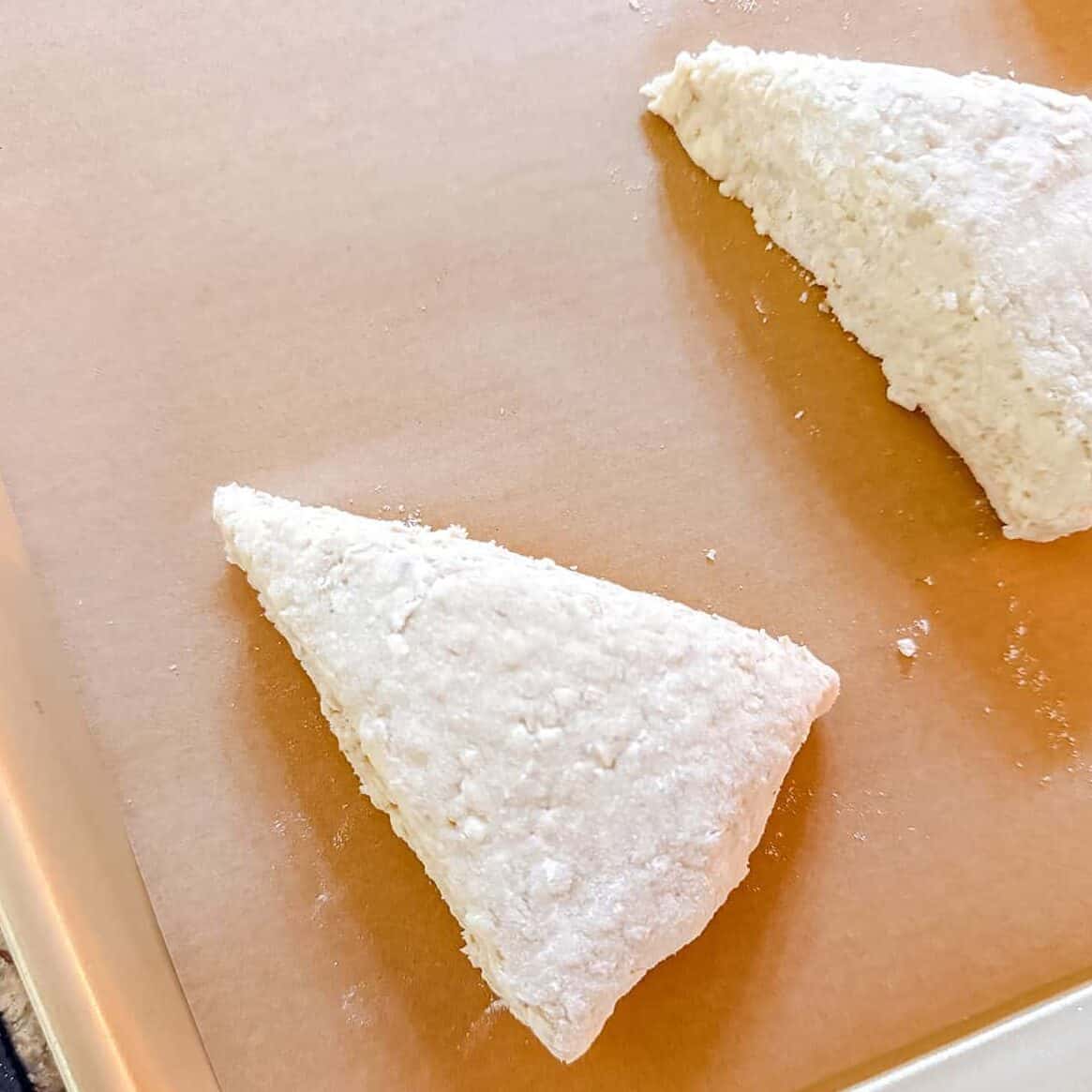
- Step 4: Bake the Scones. Optionally, brush a small amount of heavy cream or buttermilk over the unbaked scones and sprinkle turbinado or raw sugar over the top. Bake 15 to 18 minutes or until lightly golden. Serve warm.
A Note on the Jam
On the colonial tea table, fruit preserves were not a luxury - they were a preservation strategy. Colonists put up fruit in summer and fall as a matter of household survival, and the result filled cellars with jars of strawberry, apple, plum, and berry preserves that appeared at every winter table alongside bread and tea.
For a 250th anniversary tea, serve these scones with whatever jam you have and love. Strawberry jam is the most historically resonant for a summer table. If you have a small-batch refrigerator strawberry jam on hand, all the better - the colonial spirit was always fresh fruit, simply preserved, served generously.
And alongside the jam: butter. Always butter. The colonial tea table never skipped it.
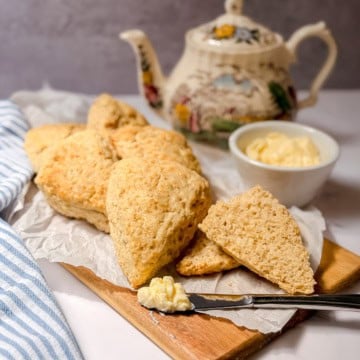
Colonial Oat Scones
Ingredients
- 2 ¼ cups all-purpose flour
- 1 cup rolled oats uncooked
- 8 tablespoons butter cold and diced
- 2 teaspoons baking powder
- ½ teaspoon baking soda
- ½ teaspoon salt
- 1 cup buttermilk
- ¼ cup maple syrup or honey
- Optional Topping: heavy cream and turbinado or raw sugar for topping the scones before baking.
Instructions
- Preheat the oven to 400°F. Lightly grease a baking sheet or line it with parchment paper. Set aside.
- In a food processor or large bowl, combine flour, oats, baking powder, baking soda, and salt; mix well. Cut in the butter with a pastry blender, two knives, or pulse in the food processor's blade attachment until the mixture resembles coarse crumbs.
- Add in the buttermilk and maple syrup and mix just until the dough comes together. The dough will be slightly sticky.
- Turn the dough out onto a floured surface and gently shape it into an 8-inch circle, about ½ to 1 inch thick. Cut into 8 to 10 wedges or use a 2-inch round cutter. Transfer the scones to the prepared baking sheet.
- Optional topping: Brush a small amount of heavy cream or buttermilk over the unbaked scones and sprinkle turbinado or raw sugar over the top. Bake 15 to 18 minutes or until lightly golden. Serve warm.
Notes
- Tip: For the best texture, avoid overworking the dough once the wet ingredients are added.
- Texture: If the dough feels too sticky to shape, lightly flour your hands and work surface. If it feels too dry, add a small splash of milk or cream, one teaspoon at a time.
- Serving & Storing: Serve with softened butter, jam, or honey. These scones are best served warm the day they're baked, but leftovers can be gently reheated in a low oven or toaster oven.
Nutritional information is only an estimate. The accuracy of the nutritional information for any recipe on this site is not guaranteed.
Serving at the Colonial Tea Table

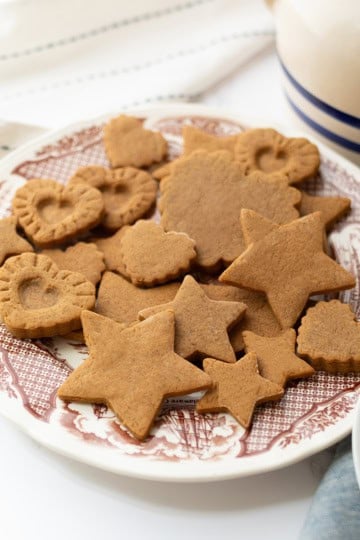
These scones belong in the bread course of the Revolutionary Tea - alongside the Dolley Madison Woodbury Cinnamon Teacakes and the Colonial Williamsburg Gingerbread Cookies.
Pair them with the Homemade Mock Clotted Cream if you want to bridge the colonial and the classic - or simply serve with butter and jam, as they would have been served in 1776.
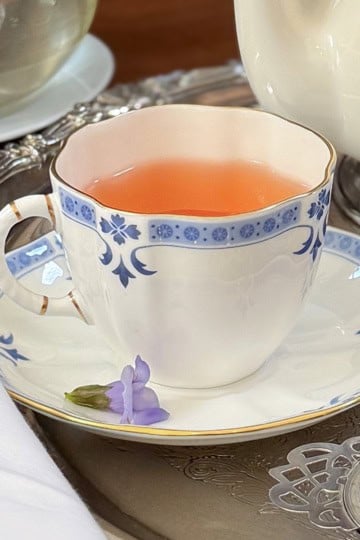
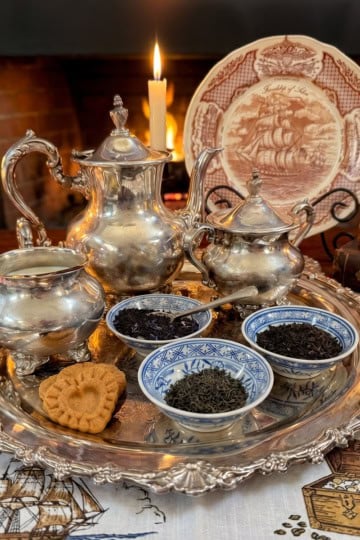
For the tea, the Colonial Bohea from Oliver Pluff & Co. is the historically faithful choice. A strong breakfast tea works equally well for those who prefer something more familiar. Or, if you love a patriot brew, see this fresh herb Liberty Tea that steeps in 5 minutes, or this full colonial Liberty Tea recipe using dried herbs.
Continue the Series
This post is part of 31Daily's America's 250th Anniversary Tea series.
- A Revolutionary Tea - America's 250th Anniversary
- Fresh Herb Liberty Tea for America 250
- Liberty Tea: The Colonial Herbal Brew of the American Revolution
- The 5 Teas Thrown into Boston Harbor
- Dolley Madison's Woodbury Cinnamon Teacakes
- Election Cake
- Colonial Williamsburg Gingerbread Cookies 1796
Heritage Recipes
- Colonial Williamsburg Gingerbread Cookies: A 1796 Recipe
- Liberty Tea: Colonial Herbal Brew Recipe
- A Revolutionary Tea Honoring America's 250th
- The 5 Teas Thrown into Boston Harbor

If you try this recipe, I'd love to hear your comments and consider giving it a 5-star rating. Explore the recipe index for more easy, delicious ideas, and stay updated by subscribing to our newsletter and following us on Facebook, Pinterest, Instagram, and YouTube!
More Scones


Popular Right Now
Love seasonal recipes and easy ideas for everyday cooking? Join 36,000+ readers and receive our newest recipes each week.
Subscribe to the Newsletter
What a treat these rustic scones are — love the hearty texture. But most of all, I enjoyed the backstory history!
Thank you, Annaliese! I’m so glad you enjoyed them. I love that rustic, hearty texture too — it feels just right for the story behind them. And I’m especially happy the history made the recipe more meaningful!
I have dozens and dozens of these oat scones in my freezer. They are soft, tender, and rustic. We love the natural sweetness and history associated with our favorite teatime treat!