
Apple Cider Sauerbraten Recipe

This Apple Cider Sauerbraten is a slow-braised German-style pot roast with a beautifully balanced sweet-and-tangy gravy. The beef marinates in sweet apple cider, apple cider vinegar, vegetables, herbs, and warm spices before it is browned and gently braised until wonderfully tender.

This post may contain affiliate links. Please read our disclosure policy.
Want to save this recipe?
Enter your email, and we'll send it to your inbox. Plus, you'll get delicious new recipes from us every Friday!
Raisins and crumbled gingersnap cookies give the gravy its distinctive Rhenish-inspired sweetness and spice, while apple cider brings a softer, fruitier flavor to the marinade.
It's the kind of recipe that asks you to start a day or two in advance, and then rewards you with an incredibly cozy dinner.
What Is Sauerbraten?
Sauerbraten is a classic German marinated pot roast, with recipes that vary considerably from region to region and even from family to family.
The name essentially refers to a "sour roast," with the characteristic tang coming from a vinegar-based marinade. The beef is marinated with vegetables, herbs, and spices before being slowly braised until tender.
Rhineland versions are particularly known for their sweet-and-sour gravy, often incorporating raisins and spiced gingerbread or cookies. Those are the flavors that most inspired this recipe.
How My Apple Cider Sauerbraten Is Different
This is the version of sauerbraten I've made for years, and it's very much my own interpretation of the dish.
Instead of relying on a sharply sour marinade, I use sweet, unfiltered apple cider along with apple cider vinegar and beef broth. The apple cider softens and rounds out the vinegar while adding a subtle fruitiness that works beautifully with the juniper, cloves, rosemary, thyme, raisins, and gingersnaps.
The result still has that characteristic sweet-and-tangy sauerbraten flavor, but with a gentle apple note I especially love in the fall.
If you grew up with sauerbraten, this version may be somewhat different from the one you remember. That's part of the beauty of this dish. Recipes and techniques have long varied across regions and kitchens, and this adaptation has become a favorite at our table, especially when followed by a dollop of grainy German mustard.
Regional Sauerbraten Traditions
Sauerbraten varies quite a bit across Germany, with different regions and families putting their own spin on the marinade, gravy, and side dishes.
- Rhineland: Often sweeter, with raisins, Printen or other spiced gingerbread, and sometimes apple syrup in the gravy. It is commonly served with potato dumplings, red cabbage, or applesauce.
- Franconia: Usually more savory-tart, with Soßenlebkuchen used to enrich and thicken the sauce. Potato dumplings are a classic accompaniment, and some versions include lingonberries.
- Swabia and southern Germany: Sauerbraten is often served with Spätzle or Knöpfle and red cabbage, giving all that rich gravy something wonderful to cling to.
My version leans most toward the Rhineland's sweet-and-tangy style, with raisins and gingersnaps, while the apple cider is my own adaptation.
If you're planning an Oktoberfest menu, you'll find more traditional favorites in my collection of Easy Oktoberfest German Recipes.
How Long Should You Marinate Sauerbraten?
For this recipe, 48 hours is my favorite marinating time.
At 24 hours, the roast has a gentler tang, a more pronounced beef flavor, and a subtle apple aroma.
At about 48 hours, the sweet, tart, and aromatic flavors become more developed without overwhelming the roast. This is generally the sweet spot I use at home.
You can marinate it somewhat longer if you prefer a more assertive sauerbraten flavor, but because this is an acidic marinade, the texture of the outside of the beef will continue to change as it sits.
Always keep the roast refrigerated while it marinates, and if it isn't completely submerged, turn it once each day.
What Is the Best Beef for Sauerbraten?
Bottom round or rump roast are excellent choices and are especially well suited to the long, gentle braise.
You can also use a chuck roast. It contains more connective tissue and marbling, so its finished texture will be slightly different, but it becomes beautifully tender with slow cooking.
For this recipe, I use about a 4-pound beef roast.
Ingredients That Give Sauerbraten Its Distinctive Flavor
There are quite a few ingredients in the marinade, but each adds something to the finished dish.
- Sweet apple cider: Use fresh, unfiltered apple cider commonly found in the refrigerated section of the market in the fall. It brings natural sweetness and apple flavor to the marinade.
- Apple cider vinegar: Provides the characteristic tang of sauerbraten and balances the sweetness of the cider and raisins.
- Juniper berries, cloves, and peppercorns: These whole spices give the braise its unmistakable warm, aromatic flavor.
- Rosemary and thyme: Fresh herbs add another savory layer to the marinade.
- Raisins: A nod to Rhenish-style sauerbraten, raisins bring small pockets of fruitiness and sweetness to the gravy.
- Gingersnap cookies: Crushed gingersnaps melt into the cooking liquid, adding sweetness, warm spices, and body to the gravy.
A Tip for the Whole Spices
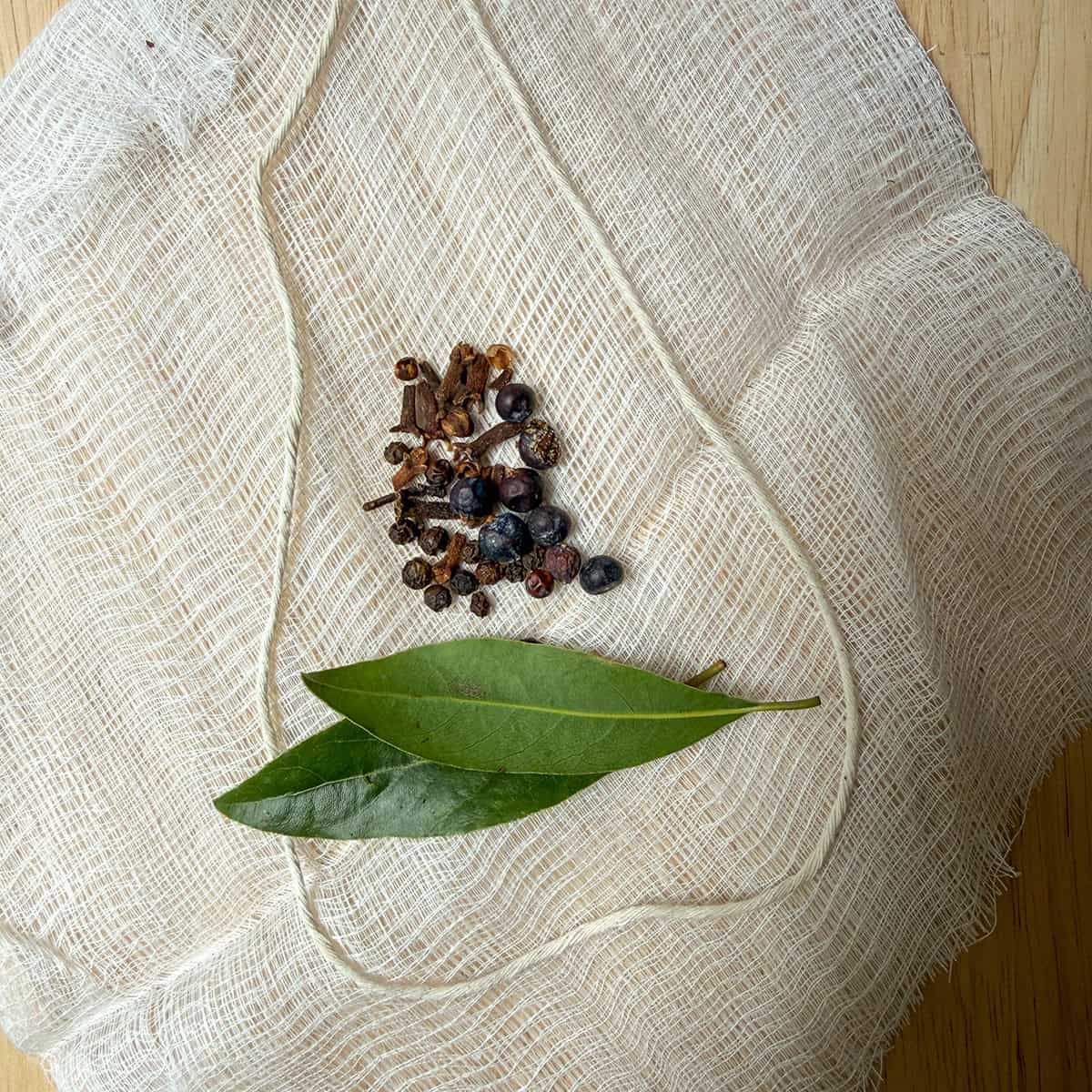
I like to bundle the bay leaves, juniper berries, cloves, peppercorns, rosemary, and thyme in a square of cheesecloth and tie it with kitchen twine.
This simple bouquet garni makes it much easier to remove the whole spices when it's time to finish the gravy.
How to Make Apple Cider Sauerbraten
Although there are several steps, none of them are difficult. Most of the time in this recipe is spent on hands-off marinating and braising.
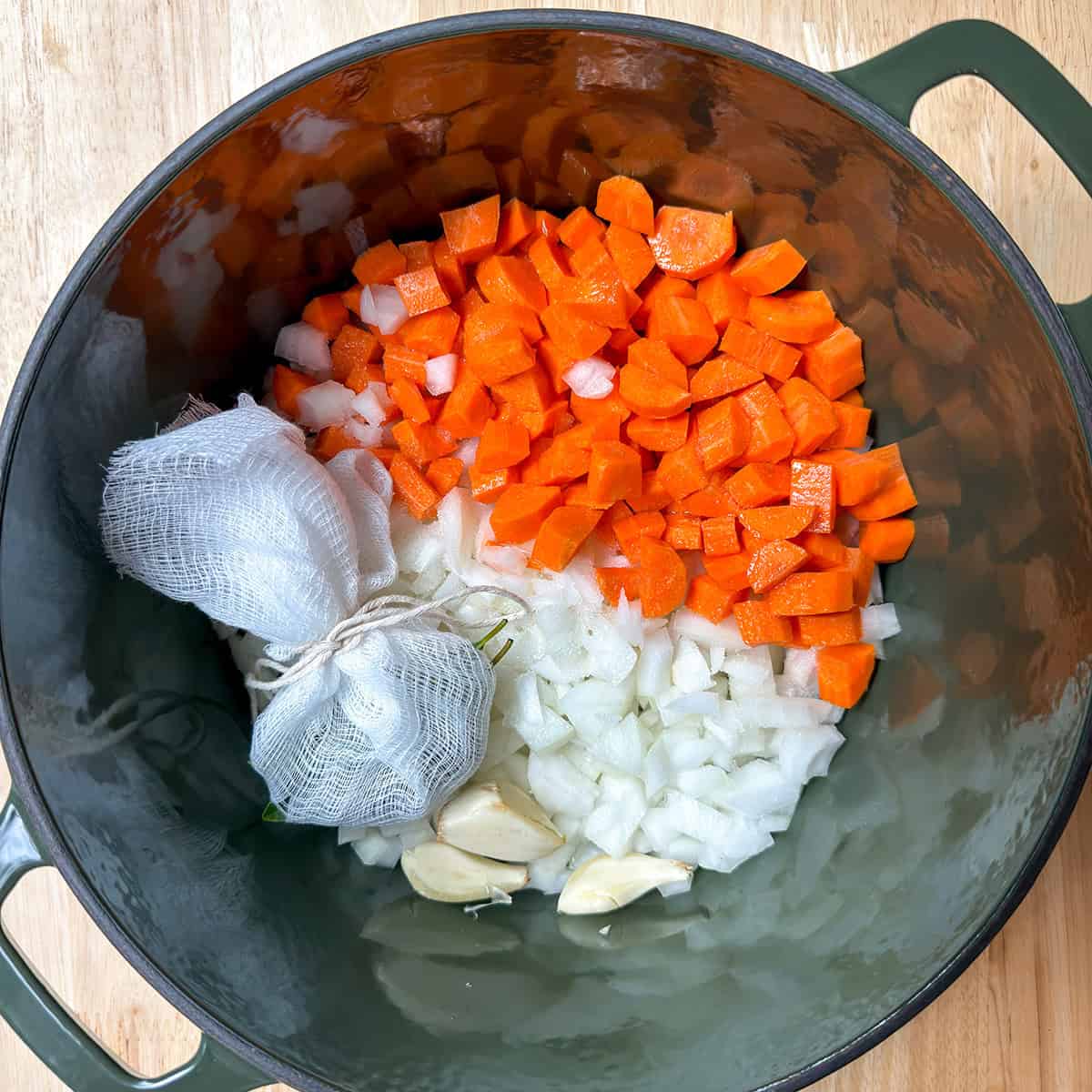
- Make the marinade. Add the vegetables, garlic, herbs, and whole spices to the pot, then add the apple cider, vinegar, and beef broth. Bring to a boil, reduce the heat, cover, and simmer for 10 minutes.
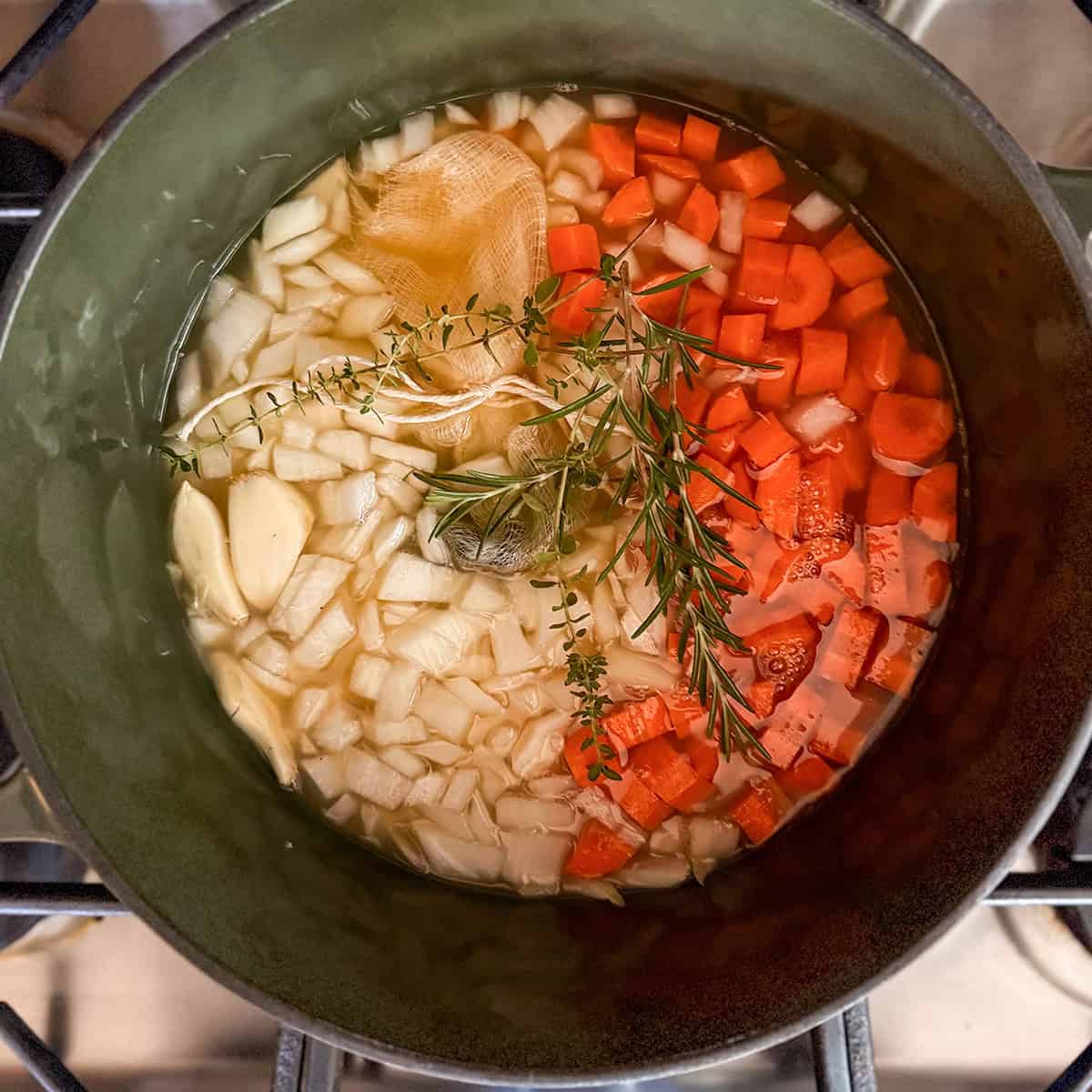
- Step 2: Cool the marinade. Remove the marinade from the heat and let it cool completely before adding the beef. This is important-the beef should never be added to a warm marinade.
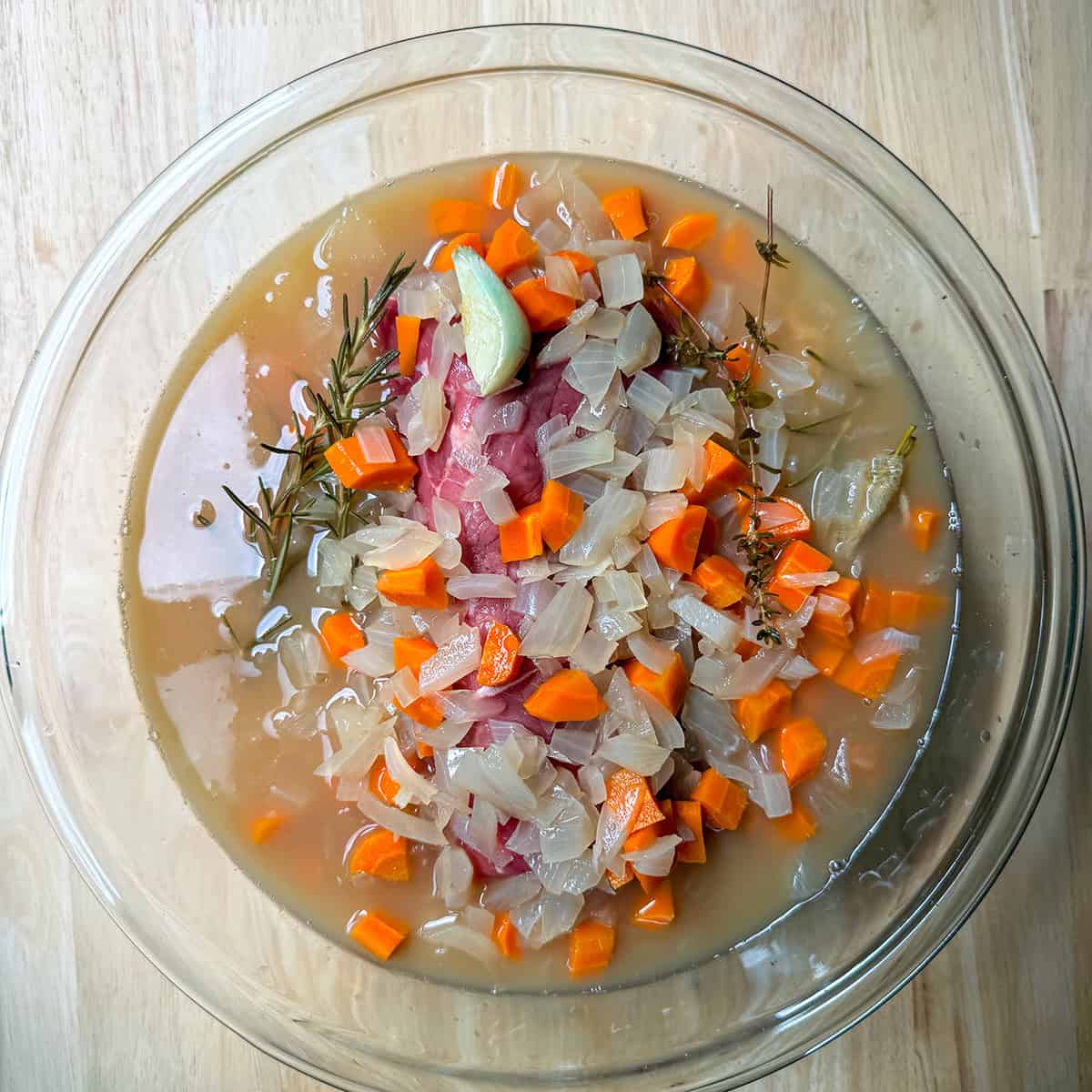
- Step 3: Marinate for 24 to 48 hours. Transfer the cooled marinade to a large nonreactive bowl or container. Nestle the beef into the marinade, cover, and refrigerate for 24 to 48 hours. If the beef isn't fully submerged, turn it once each day.
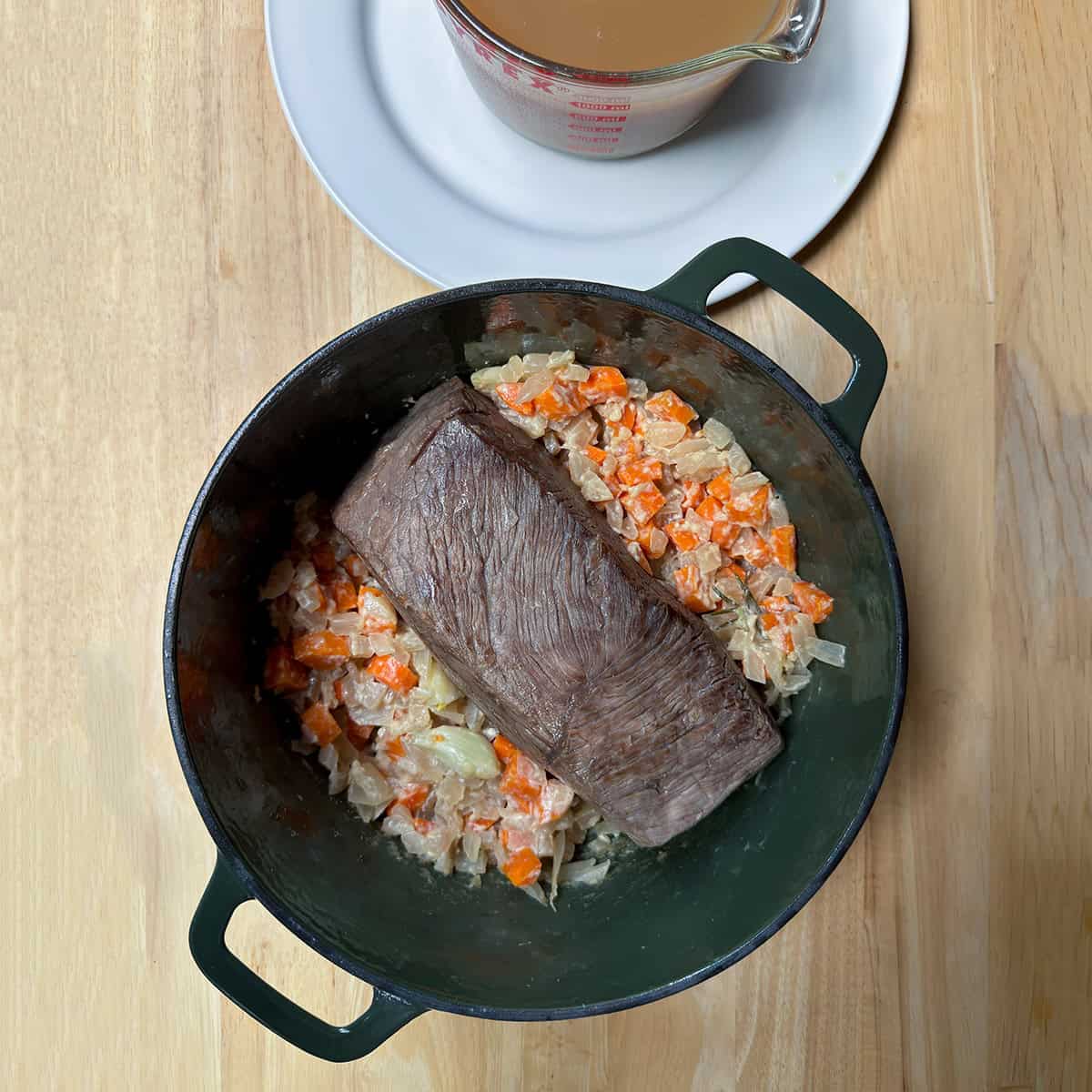
- Step 4: Brown and braise. Remove the beef from the marinade and pat it dry. Strain the marinade, reserving both the vegetables and liquid. Heat oil in a Dutch oven or heavy pot and brown the beef on all sides; transfer to a plate.
Add the reserved vegetables to the pot, sprinkle with flour, and cook for 5 to 7 minutes. Gradually add the reserved marinade, stirring to prevent lumps. Stir in the raisins and crushed gingersnaps.
Return the roast to the pot and bring the liquid to a boil. Reduce the heat to low, cover, and simmer for 2 to 4 hours, or until the beef is very tender. Cooking time will vary depending on the cut and thickness of the roast.
Making the Gravy
Transfer the cooked roast to a carving board or platter and loosely tent it with foil. Let it rest for at least 5 to 10 minutes before slicing.
Meanwhile, remove the bouquet garni, if using, and strain the braising liquid. For a completely smooth gravy, discard the cooked vegetables. Or, for a fuller-bodied sauce, puree some of the vegetables and stir them back into the gravy.
Taste the gravy and adjust the salt and pepper as needed.
If you prefer a thicker gravy, whisk together cornstarch and cold water to make a slurry. Bring the gravy to a simmer and gradually stir in as much of the slurry as needed to reach your preferred consistency.
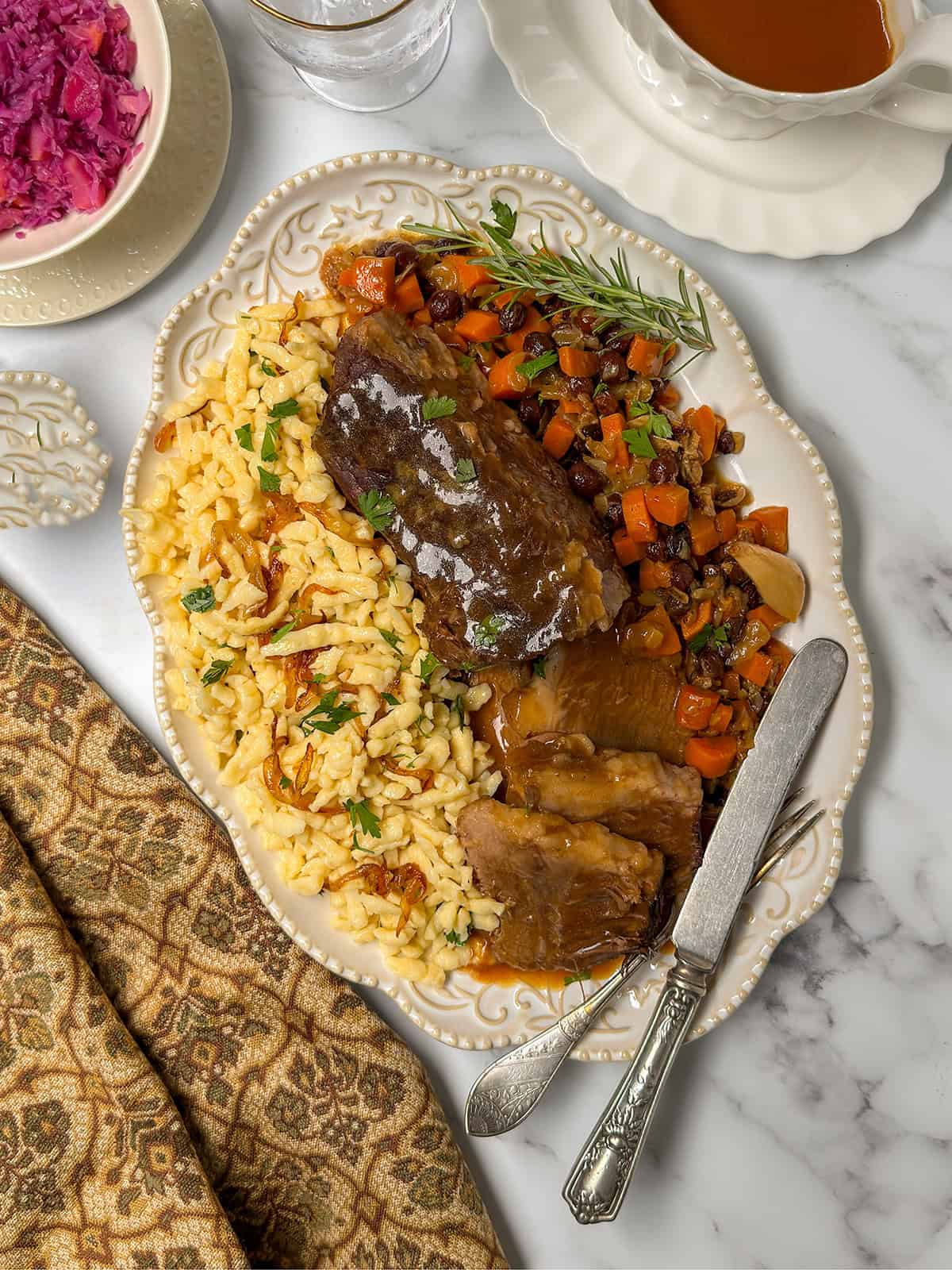
How to Serve Sauerbraten
Slice the rested beef across the grain and spoon plenty of the warm sweet-and-tangy gravy over the top.
Sauerbraten is wonderful with classic German-style sides such as:
- Spaetzle
- Potato dumplings or boiled potatoes
- German red cabbage (Rotkohl or Blaukraut)
- Green vegetables
If you're serving a larger group, Krautstrudel is always a favorite. And at our table, there is almost always a little grainy German mustard on the side.
That isn't required, of course, but we love the savory sharpness of mustard against the rich beef and sweet-and-sour gravy.
For more German holiday favorites, you may also enjoy my collection of Traditional German Christmas Recipes.
A Few Sauerbraten Tips
- Plan ahead. Two days of marinating gives this roast the flavor I like best, making it an ideal weekend or Sunday dinner to begin preparing on Friday.
- Cool the marinade before adding the beef. The beef should always marinate under refrigeration.
- Dry the beef thoroughly before browning. A wet roast steams instead of sears.
- Don't rush the braise. Keep the heat low and gentle. The roast is ready when it is very tender but still holds together for slicing.
- Taste the gravy before adjusting it. Sauerbraten should have noticeable sweet-and-tangy contrast. Depending on your apple cider, gingersnaps, and raisins, every batch will be slightly different.
I hope this dish with so many family and regional interpretations will find it own place at your table as well.

Apple Cider Sauerbraten
Ingredients
For the cold marinade
- 1 large yellow onion chopped
- 2 large carrots chopped
- 3 cloves garlic left whole
- 2 sprigs thyme or 1 teaspoon dried
- 2 sprigs rosemary or 1 teaspoon dried
- 2 bay leaves
- 8 juniper berries cracked
- 6 whole cloves
- 10 whole black peppercorns cracked
- 2 ½ teaspoons salt
- 2 cups sweet apple cider unfiltered
- 1 ½ cup apple cider vinegar
- 2 cups beef broth or beef stock
For the Beef
- 4 pounds beef roast Bottom round or rump roast are traditional, but you can also use chuck roast
- 1-2 tablespoons cooking oil
- 4 tablespoons all-purpose flour
- ¼ cup raisins golden or dark
- ½ cup ginger snap cookies crumbled
- 2 tablespoons cornstarch plus 2 tablespoons water for slurry, optional
Instructions
Make the Marinade
- Place the onions, carrots, and lightly smashed garlic cloves in a heavy non-reactive stockpot or enameled Dutch oven. Add the rosemary and thyme. Place the bay leaves, juniper berries, cloves, and peppercorns in a square of cheesecloth and tie with kitchen twine, then add to the pot. Add the salt, apple cider, apple cider vinegar, and beef broth.
- Bring the marinade to a boil, reduce the heat, cover, and simmer for 10 minutes. Turn off the heat and let the mixture completely cool to room temperature.
Marinate the Beef
- Once the marinade has cooled completely, transfer it to a large non-reactive bowl or container. Nestle the roast into the marinade, cover, and refrigerate for 24 to 48 hours; I prefer about 48 hours. If the beef is not fully submerged, turn it once each day.
- Remove the roast, pat dry with paper towels, and strain the liquid from the vegetables. Reserve the liquid and the vegetables.
Roasting the Beef
- Heat 1 to 2 tablespoons of oil in a non-reactive pot over high heat until shimmering. Add the marinated beef and brown on all sides. Remove to a nearby plate.
- In the same pot, add the strained vegetables, toss with the flour and cook for 5 to 7 minutes. Pour in the reserved marinade and bring to a boil, stirring constantly to prevent lumps.
- Stir in the raisins and crushed ginger snaps, then return the roast to the pot.
- Bring to a boil, reduce the heat to low, cover, and simmer for 2-4 hours or until the meat is very tender. Cooking time will vary depending on the type of roast and how long the roast was marinated. The longer the roast marinates, the quicker it will cook. Check periodically for doneness.
- When the roast is fork-tender, remove it from the pot and set it on a nearby plate or carving board to rest. Tent with foil to keep warm. It should rest at least 5 minutes before slicing.
Make the Gravy
- Remove the bouquet garni and transfer the cooked vegetables and raisins to a serving bowl or platter, if desired. Strain the braising liquid into a saucepan for a smoother gravy, or puree some of the vegetables into the sauce for a fuller-bodied texture.
- Taste and season with salt and pepper. If you prefer a thicker gravy, whisk together 2 tablespoons cornstarch and 2 tablespoons cold water. Bring the gravy to a simmer and gradually stir in the slurry until it reaches your desired consistency.
Serving
- Spoon the gravy over the sliced Sauerbraten and serve immediately. My family loves to enjoy their servings with a dollop of grainy mustard.
Notes
- Marinating: Marinate the roast for 24 to 48 hours; I prefer about 48 hours for a more developed sweet-and-tangy flavor. If the beef isn't completely submerged, turn it once each day.
- Beef: Bottom round or rump roast are excellent choices for sauerbraten. Chuck roast also works well and will have a slightly richer, more tender texture.
- Apple cider: Use sweet, unfiltered apple cider rather than apple juice for the fullest apple flavor.
- Cooking time: Begin checking the roast after about 2 hours. Depending on the cut, thickness, and individual roast, it may require up to 4 hours of gentle braising to become fork-tender.
- Gravy: For a smooth gravy, strain the braising liquid. For additional body, puree some of the cooked vegetables into the sauce. The reserved vegetables and raisins can also be served alongside the sliced beef.
- To thicken: If needed, combine 2 tablespoons cornstarch with 2 tablespoons cold water and gradually stir it into the simmering gravy until it reaches your preferred consistency.
- Serving: We especially love sauerbraten with Spätzle, red cabbage, and a little grainy German mustard.
Nutritional information is only an estimate. The accuracy of the nutritional information for any recipe on this site is not guaranteed.
More German Recipes
- German Krautstrudel: Easy Cabbage Strudel Recipe
- German Apple Kuchen
- Easy Oktoberfest German Recipes
- German Chicken Schnitzel Recipe
- Easy Bierocks Recipe
- Easy Oktoberfest German Recipes
- Lemon Easter Lamb Cake (German Osterlamm)
- Christmas Market Food Ideas to Make at Home
- Easy Homemade Soft Pretzels (Brezeln)




If you try this recipe, I'd love to hear your comments and consider giving it a 5-star rating. Explore the recipe index for more easy, delicious ideas, and stay updated by subscribing to our newsletter and following us on Facebook, Pinterest, Instagram, and YouTube!
More Recipes




Popular Right Now




Love seasonal recipes and easy ideas for everyday cooking? Join 36,000+ readers and receive our newest recipes each week.
Subscribe to the Newsletter
This is such a delicious, memorable dish for a feast. Whether for a holiday or a special occasion, our family loves to gather around the table with this sauerbraten. It has a perfect balance of tangy and sweet, and the beef is fall-apart tender!