
Traditional Irish Scones Recipe for Afternoon Tea

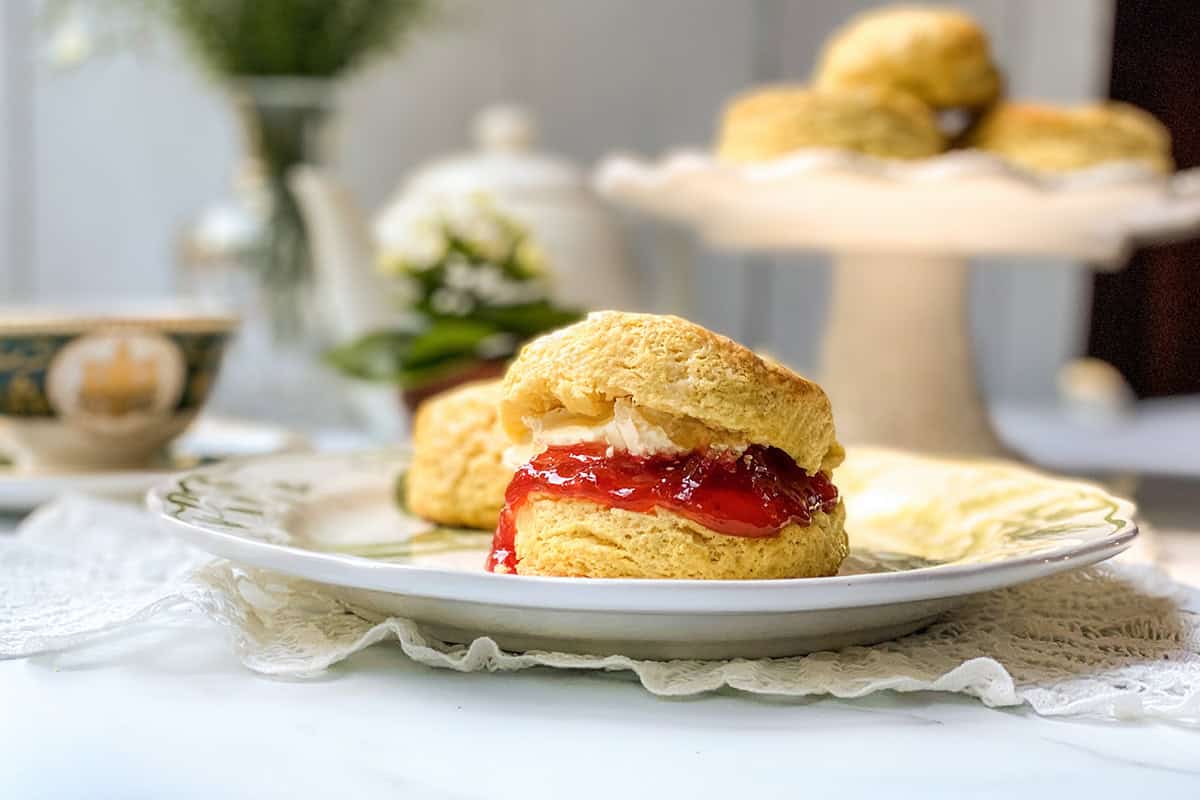
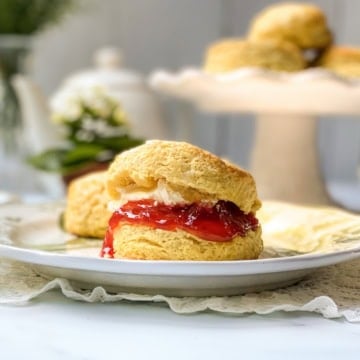
This traditional Irish Scones recipe is a light and delicious scone made with Irish butter and buttermilk. Lightly sweet with a moist, tender texture. Perfect for afternoon tea.
For a classic pairing, try this 3-ingredient homemade clotted cream recipe! For a British-style staple, this best scone recipe is another go-to scone we love!
This post may contain affiliate links. Please read our disclosure policy.
Want to save this recipe?
Enter your email, and we'll send it to your inbox. Plus, you'll get delicious new recipes from us every Friday!
Recipe Overview
- Prep Time: 15 minutes
- Bake Time: 12-15 minutes
- Total Time: About 30 minutes
- Yield: 10-12 scones
- Texture: Soft and tender with a light golden crust
- Flavor: Lightly sweet and buttery with a gentle tang from buttermilk
- Best For: Afternoon tea, breakfast, or serving warm with jam and butter
What I Love About This Recipe
Traditional Irish scones are wonderfully simple - the kind of everyday baking that doesn't try to impress, yet always does.
Unlike richer cream scones, these rely on buttermilk and cold butter, creating a soft, tender crumb without feeling heavy. They're lightly sweet, beautifully balanced, and meant to be enjoyed warm - often with nothing more than butter, jam, clotted cream, and a pot of tea, like Irish Breakfast Tea.
This is the style of scone you'll find in Irish kitchens and tearooms alike: easy to make, gently rustic, and perfect for quiet afternoons.
They come together quickly, use familiar pantry ingredients, and feel just as fitting for a quiet weekday breakfast as for a traditional afternoon tea.
Jump to:
- Recipe Overview
- What I Love About This Recipe
- What Makes These Irish Scones… Irish?
- Ingredients
- How to Make Irish Scones
- Pro Tips for Traditional Irish Scones
- Serving Suggestions
- Variations
- Irish Scones for Afternoon Tea
- Irish Quick Breads
- Recipe FAQs
- More Irish Recipes
- Traditional Irish Scones for Afternoon Tea
- More Scone Recipes
- 💬 Comments
What Makes These Irish Scones… Irish?
Traditional Irish scones are known for their simplicity - lightly sweet, tender, and meant for everyday baking.
One ingredient often credited with its distinctive flavor is Irish butter, which has slightly higher butterfat content than standard butter. While the difference is subtle, it contributes to a richer texture and a beautifully mellow flavor in baked goods.
And then there's something less measurable - the care taken in the making.
Irish baking has long been rooted in hospitality and home, where simple recipes are prepared not for show, but for sharing. A gentle hand, unhurried mixing, and a warm kitchen often matter just as much as the ingredients themselves.
Bake them with care, and they'll reward you in kind.
Ingredients
Here are the simple ingredients you'll need to make these easy scones.
- All-Purpose Flour (or Self-Rising Flour): You may use either all-purpose flour or self-rising flour in this recipe. If using self-rising flour, omit the salt, baking powder, and baking soda, as these are already included.
- Sugar: Just a small amount adds balance without making the scones sweet like dessert.
- Baking Powder + Baking Soda: This combination works with the buttermilk to create a gentle rise and tender crumb.
- Salt: Enhances flavor and balances the sweetness.
- Cold Butter: Traditional Irish scones rely on cold butter worked lightly into the flour to create soft layers.
- Buttermilk: Essential for flavor and tenderness. It reacts with the baking soda and keeps the crumb soft.
- Egg: Adds richness and helps bind the dough without making it heavy.
How to Make Irish Scones
Begin by preheating the oven to 425°F and lining a baking sheet with parchment paper or a reusable Silpat.
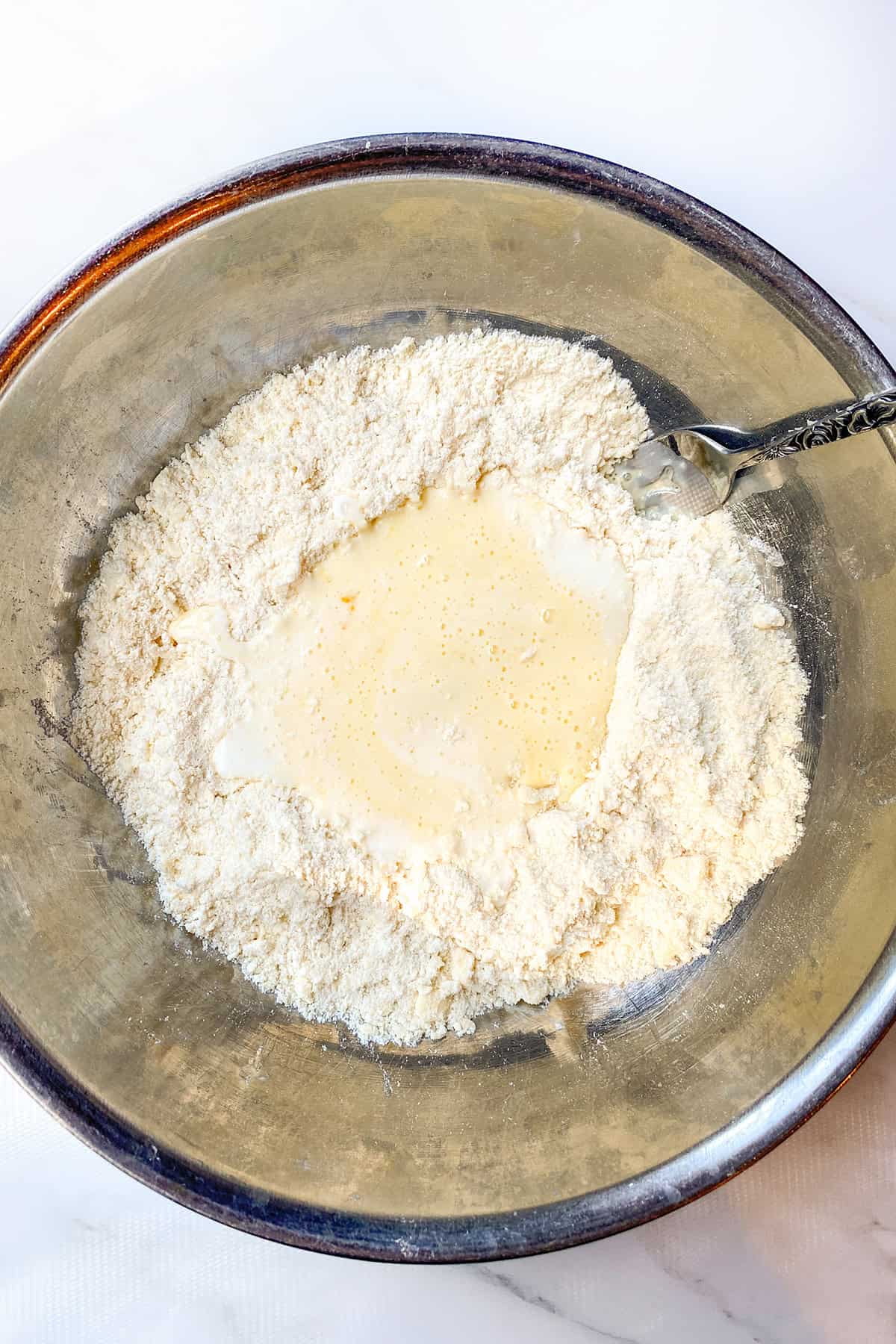
- Step 1: Mix the dry ingredients in a large bowl, cut in cold butter until the mixture resembles coarse crumbs. Then, stir in buttermilk and egg just until a soft dough forms.
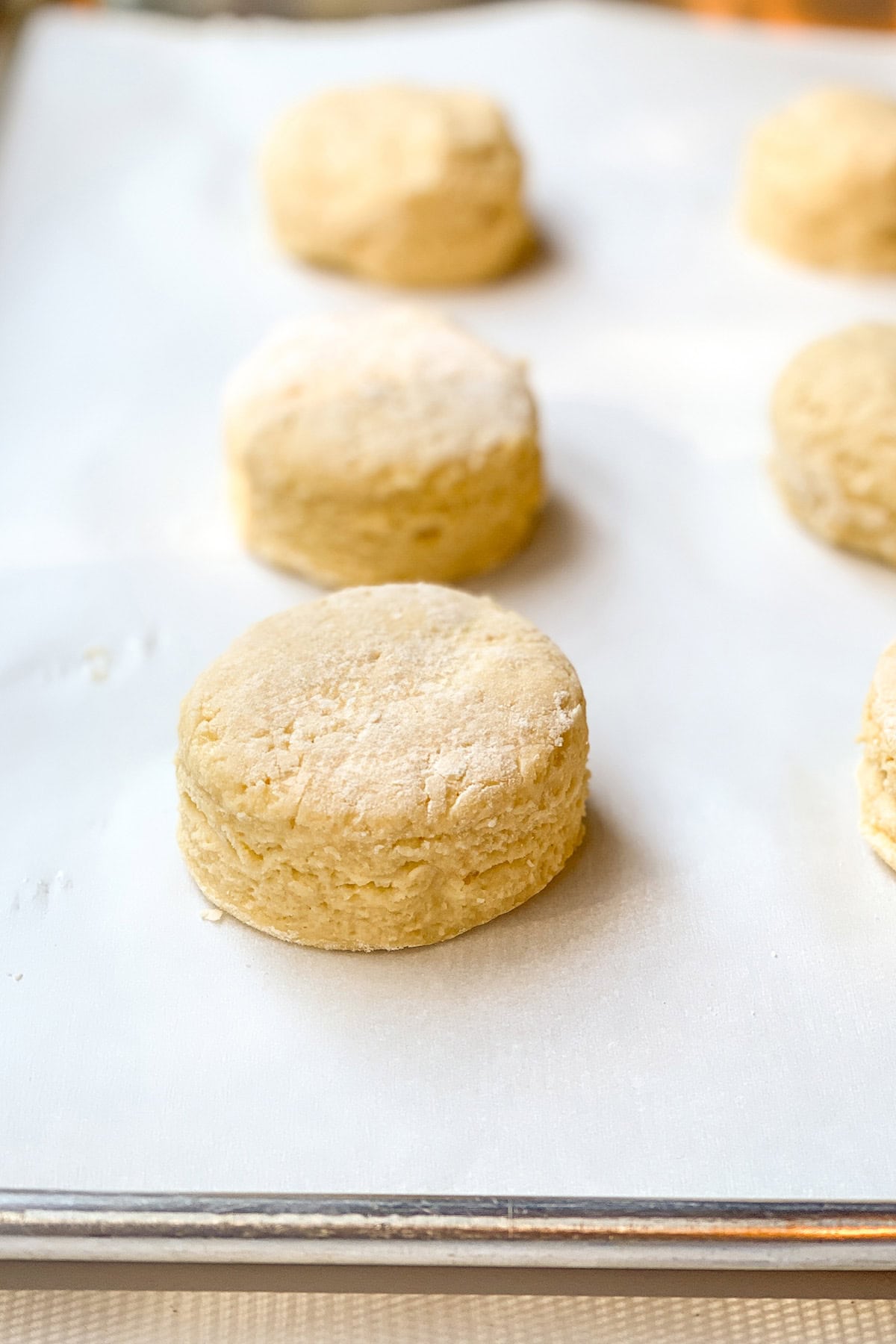
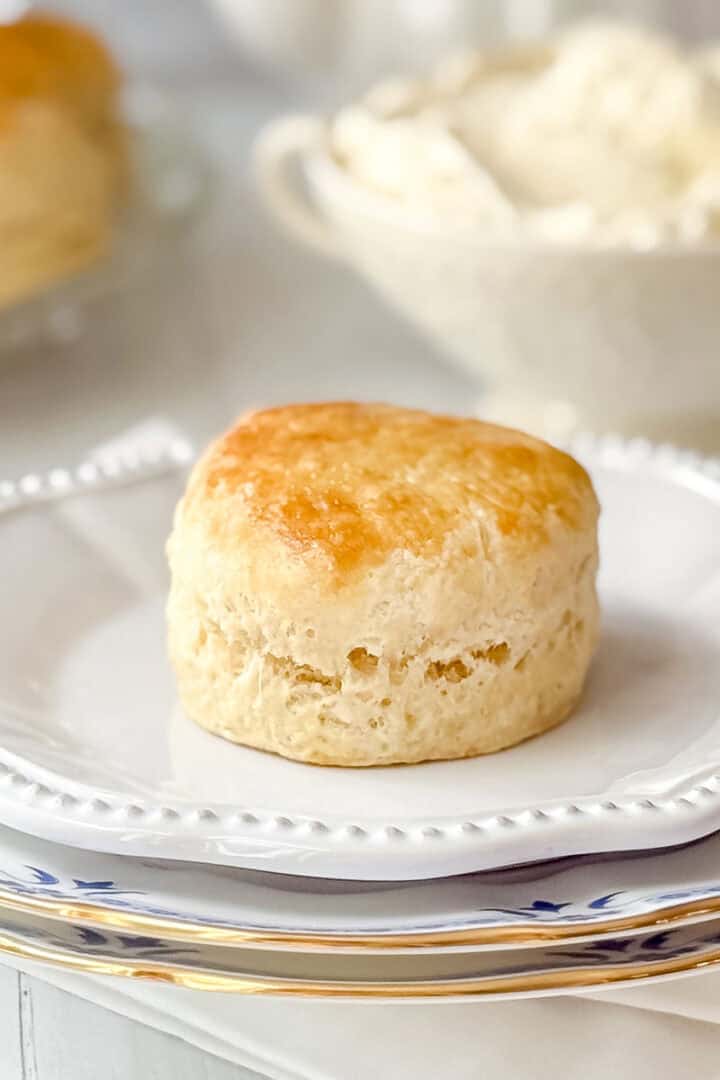
- Step 2: Pat the dough gently into a circle shape about 1-inch thick - do not knead. Then, cut into rounds and place on the prepared baking sheet.
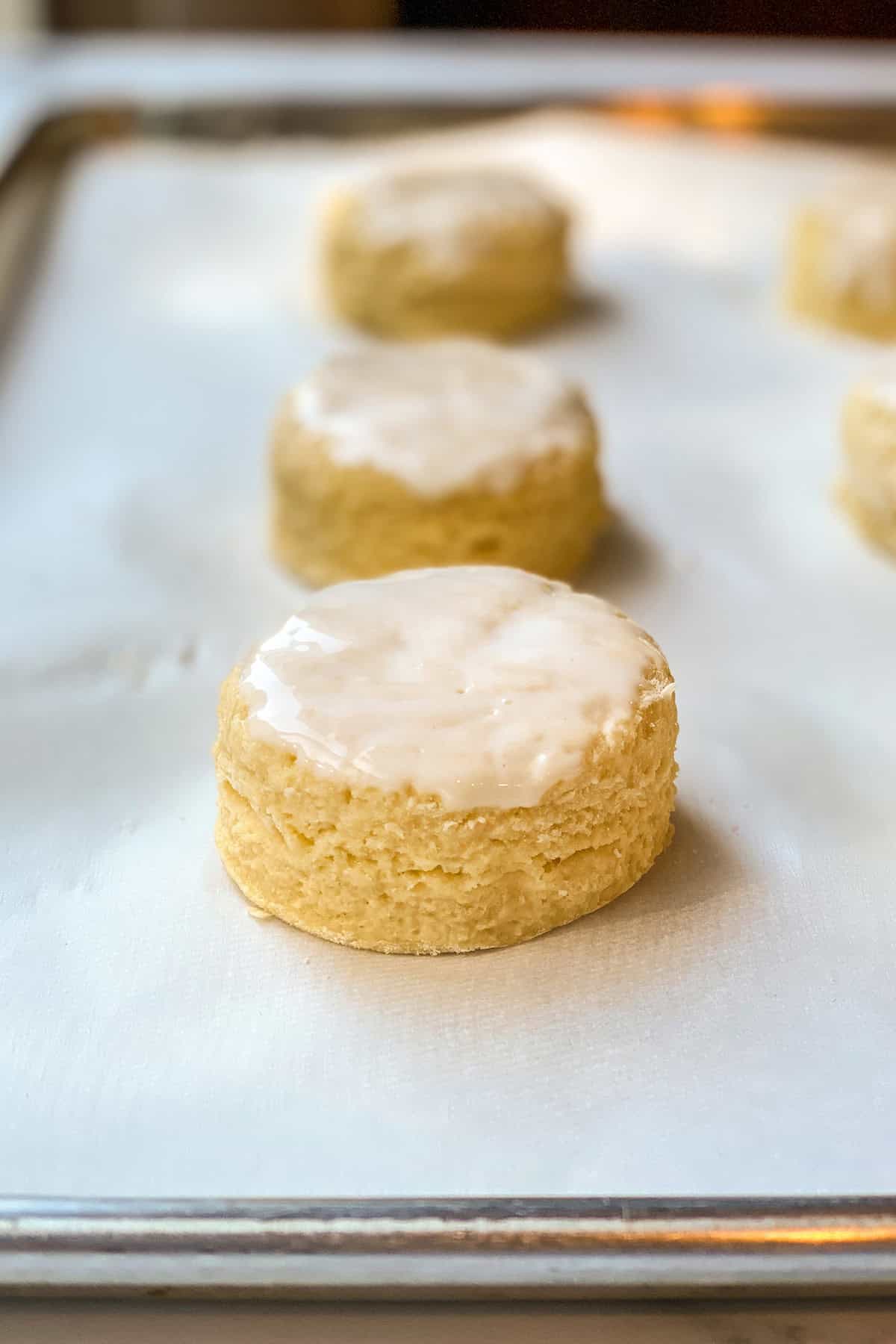
- Step 3: Brush the tops of the scones with buttermilk and bake until lightly golden and tender, about 15-18 minutes.
Dough Texture Tip: When making the dough, it should feel soft - slightly tacky, but not wet. Add buttermilk gradually until you reach this consistency.
Pro Tips for Traditional Irish Scones
Catherine Leyden, professional baker at Odlums in Ireland, once said, "Apart from an apple tart, you can't beat a real scone - a nice, light scone."
I couldn't agree more. These tips reflect traditional Irish baking techniques that help create soft, tender scones with a beautiful rise.
Tip 1: It's all about air.
Leyden explains that air is the secret to a light scone. To help introduce air into the dough:
- Sift the flour and dry ingredients to lighten the mixture
- Rub the butter into the flour using your fingertips, lifting as you work
- Knead very gently with floured fingertips before shaping
- When cutting, press straight down - don't twist the cutter, as twisting can limit rise.
Tip 2: Watch the Buttermilk
A tender scone depends on the right amount of liquid.
Begin with ½ cup of buttermilk and add more only as needed. The dough should feel soft - not dry, and not overly sticky.
As Leyden advises, "You can always add more, but you can't take it out."
Tip 3: A Hot Oven
For the best rise, allow your oven to fully preheat for at least 20 minutes. Placing the baking sheet in the oven as it heats creates a hot surface that gives the scones extra lift when they go in.
Serving Suggestions
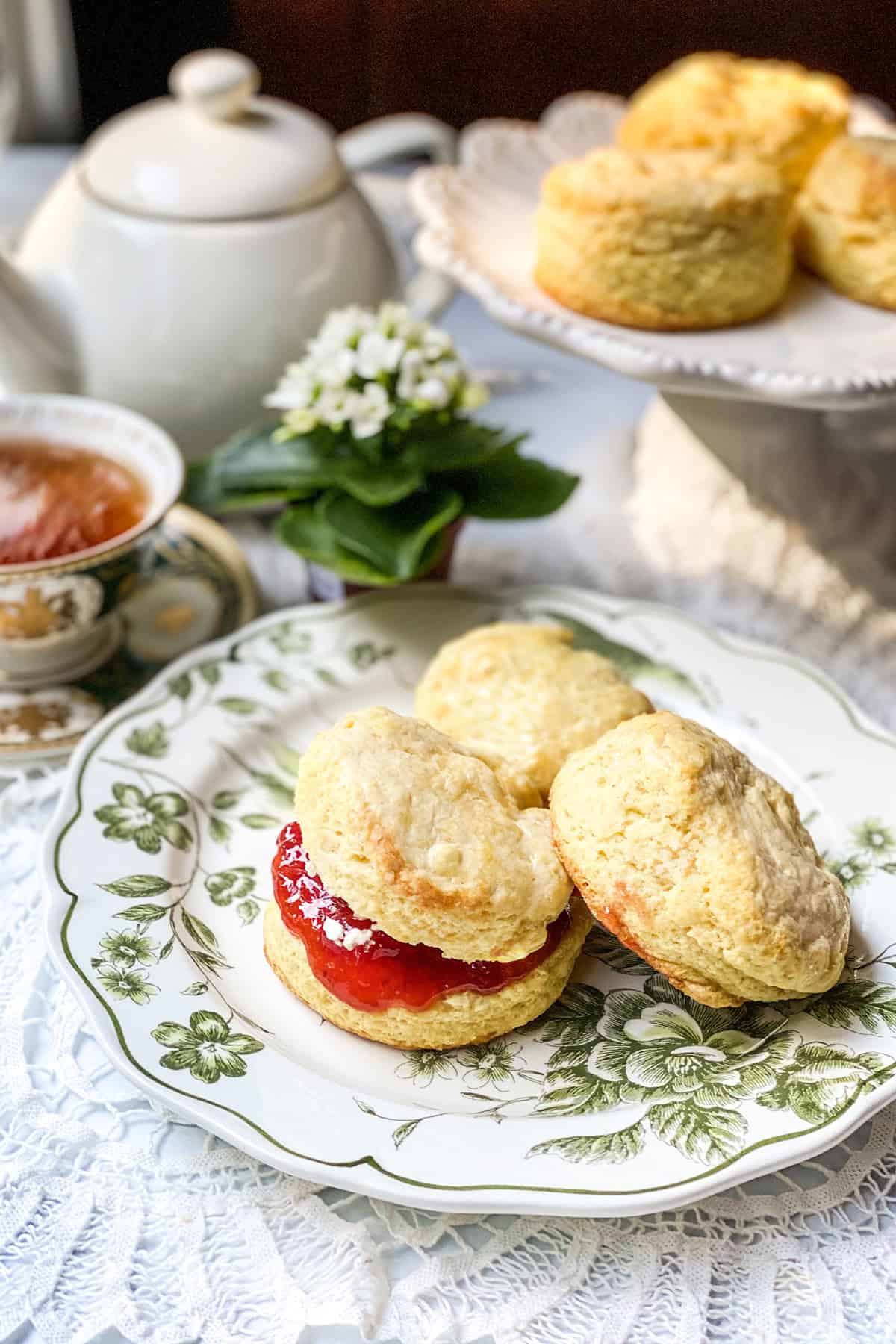
Traditional Irish scones are best served warm, ideally within a few hours of baking. Serve with:
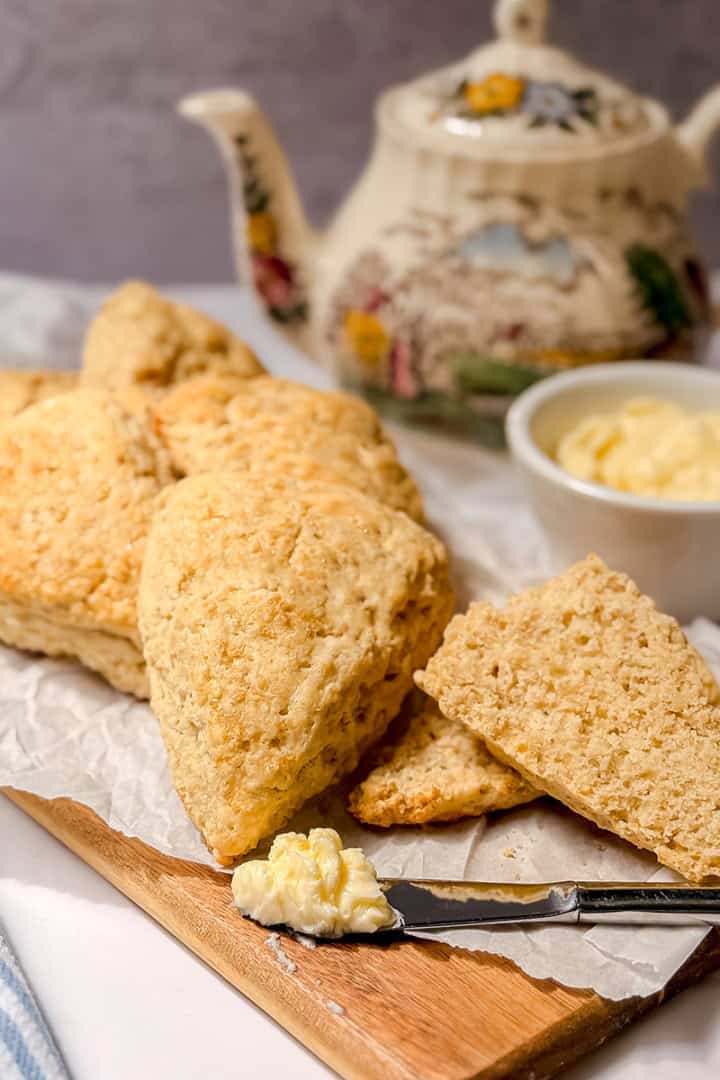
- Irish butter
- Strawberry or raspberry jam
- Orange marmalade
- Clotted cream (especially for afternoon tea)
They're lovely alongside a pot of black tea, Irish breakfast tea, or Earl Grey Tea.
Variations
- Irish Currant Scones: Add ½ cup currants or raisins
- Lemon Scones: Add 1-2 teaspoons lemon zest
- Whole Wheat Blend: Replace up to ½ cup flour with whole wheat flour
- Scone Triangles: Pat into a round and cut into wedges instead of rounds
These variations keep the spirit of traditional Irish baking while allowing flexibility.
Irish Scones for Afternoon Tea
Scones are a cornerstone of traditional afternoon tea - served warm, lightly sweet, and perfect with butter or jam. If you enjoy baking for tea, you may also like our collection of Afternoon Tea Scone Recipes, featuring both classic and seasonal favorites.
Irish Quick Breads
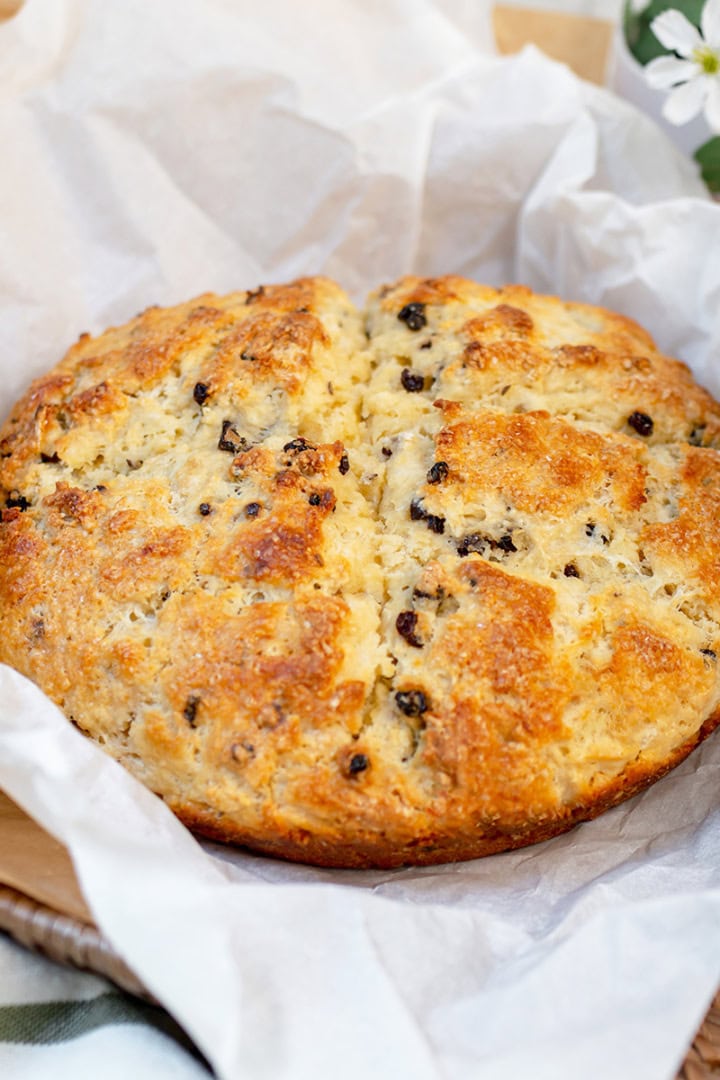
One of the pleasures of Irish baking is its simplicity. Quick breads such as scones, Irish Soda Bread, and Irish Brown Bread come together without yeast, making them ideal for everyday baking.
For a traditional sweet loaf, Irish Barmbrack Tea Cake is a longtime favorite - or this simple Irish Tea Cake topped with berries is especially lovely when served with tea.
Recipe FAQs
They're similar, but Irish scones are typically less sweet and less rich, relying on buttermilk rather than cream.
Yes. Substitute milk mixed with 1 tablespoon lemon juice or vinegar. Let it stand 5 minutes before using.
Irish scone dough is meant to be soft. If it's overly wet, add flour one tablespoon at a time - avoid overworking.
They're best the day they're baked, but leftovers can be stored airtight for 1-2 days and gently reheated.
Yes. Freeze baked scones once cooled. Reheat in a low oven until warmed through.
More Irish Recipes
- Easy Mini Irish Soda Bread
- No-Churn Irish Coffee Ice Cream
- Irish Pub Recipes
- Non-Alcoholic Irish Coffee
- Irish Cottage Pie
- Traditional Irish Brown Soda Bread
- Irish Colcannon
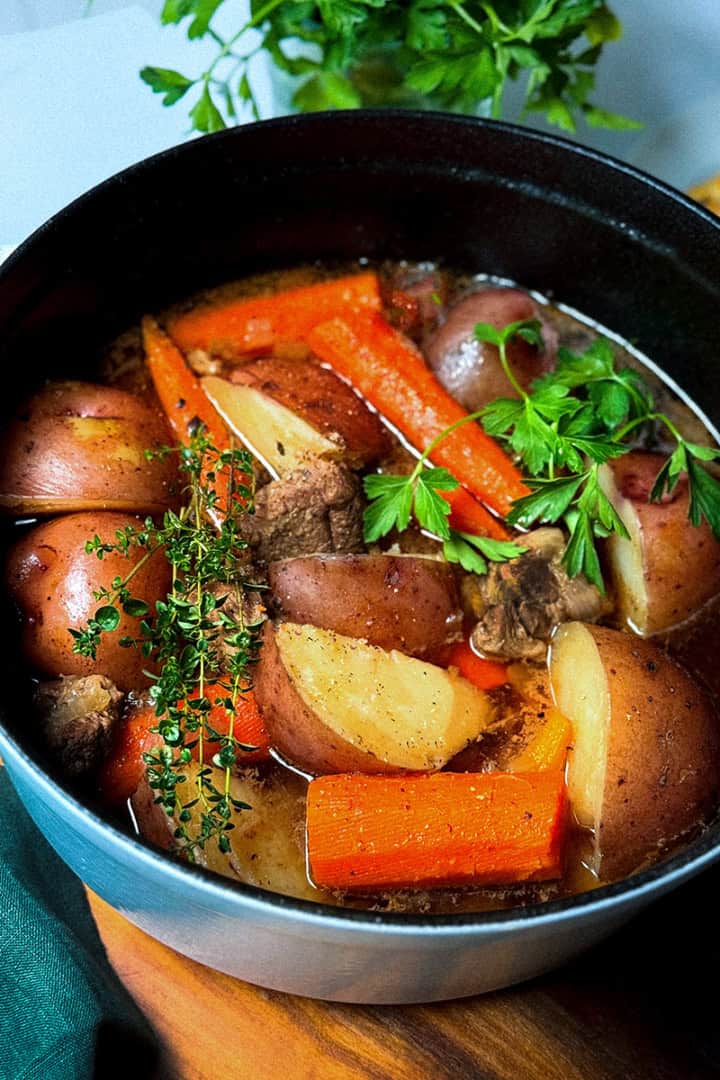
- Traditional Irish Stew Recipe
- Festive St. Patrick's Day Desserts (Irish & Easy Holiday Treats)
- Authentic Traditional Dublin Coddle: A Classic Irish Sausage Stew
- Spotted Dog: The Story of Ireland's Traditional Railway Cake

Are you ready for a scone with tea? You're in for a treat!
Teatime Inspiration
For more teatime inspiration, explore our Afternoon Tea recipes, and don't forget to subscribe to our newsletter for weekly favorites and seasonal ideas, or follow us on Pinterest, Instagram, or Substack.
Traditional Irish Scones for Afternoon Tea
Equipment
Ingredients
- 2 cups all-purpose flour or 2 cups self rising flour and eliminate salt, baking powder & baking soda
- ½ teaspoon salt
- 3 tablespoons sugar
- 1 teaspoon baking powder
- ½ teaspoon baking soda
- ½ cup butter cold and diced
- ½ cup buttermilk or heavy cream, cold (plus more if needed to make a soft dough)
- 1 large egg
Instructions
- Preheat the oven to 425°F and line a baking sheet with parchment paper.
- Sift together flour, salt, baking powder, and baking soda into a mixing bowl. Stir in the sugar.
- Add the cold, diced butter to the bowl, and using your fingertips, rub the butter into the dry ingredients, lifting it into the air as you go, until it resembles fine breadcrumbs. Every Irish baker I know uses their fingertips for cutting in the butter.
- Make a well in the center of the bowl and pour in the buttermilk and beaten egg. Gently stir the liquid into the dry ingredients until it forms a soft dough, add additional buttermilk if needed. My Grandma O'Hara used a fork.
- Transfer the dough to a lightly floured surface and pat it into a 1-inch thick circle. Using a biscuit cutter or the top of a glass with a diameter of around 2 inches, cut circles from the dough without twisting the cutter. Pat the scraps into shape and continue cutting. Transfer the dough to the prepared baking sheet and brush the tops with additional buttermilk.
- Bake for 11 to 15 minutes or until the top of the scones are a beautiful golden brown. Let cool on a metal rack for 10 minutes or more before serving with clotted cream and jam. And, of course, a cup of tea!
Video
Notes
- What to Serve with Irish Scones: Raspberry and strawberry jam is traditional, but use your favorite jam with your favorite tea.
- Dough: Handle the dough gently - overmixing will make the scones dense. The dough should be soft but not wet; add buttermilk gradually.
- Dried fruit: For a traditional variation, add ½ cup currants or raisins.
- More Afternoon Tea Ideas: See all our favorite Afternoon Tea recipes here.
- Irish Recipes: More Irish recipes at 31Daily.
Nutritional information is only an estimate. The accuracy of the nutritional information for any recipe on this site is not guaranteed.


I am sorry, but the exact amount of butter is not clear for me ..... is it 4 oz. and 1/4 cup all together combined or just one or another? Thank u...
Thank you so much for your question, it gave me a chance to update the recipe card to be more clear. You will only need 4 ounces of butter in the scones. Hope you enjoy them as much as we do!
Thank you, Jes! It is 4 tablespoons and 1/4 cup butter.
Perfect for our daily coffee!